
Many factory owners feel confused when choosing laser marking and engraving equipment, as improper machine selection will lead to low processing precision, high scrap rate and extended production cycle. A large number of overseas buyers send consultation messages every year, asking about the applicable scenarios of fiber laser marking machine and CO2 laser engraving machine. This article sorts out practical operation data, technical parameters and industry certification standards, helping manufacturers quickly judge which equipment matches their raw materials and order scale, and avoid unnecessary investment loss.
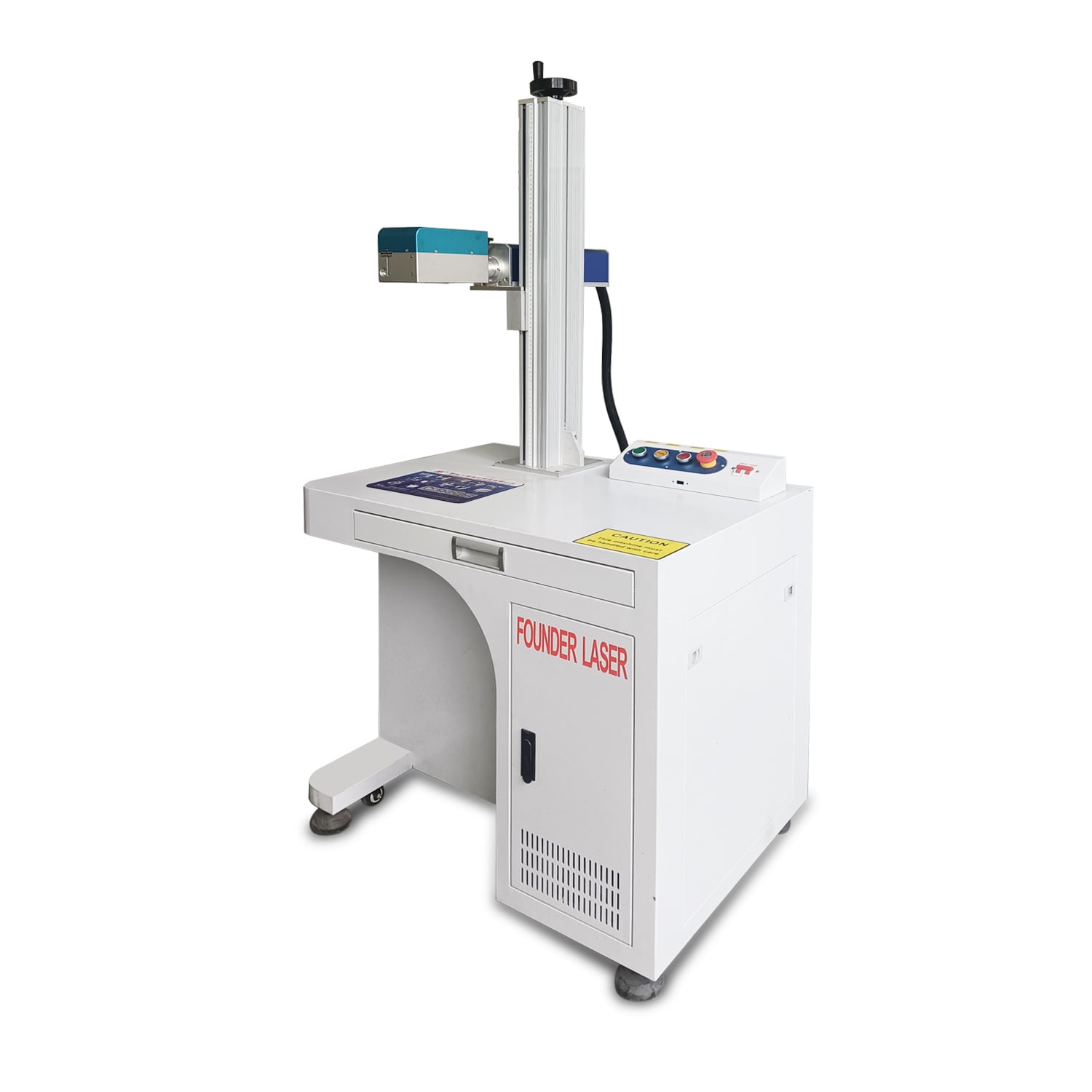
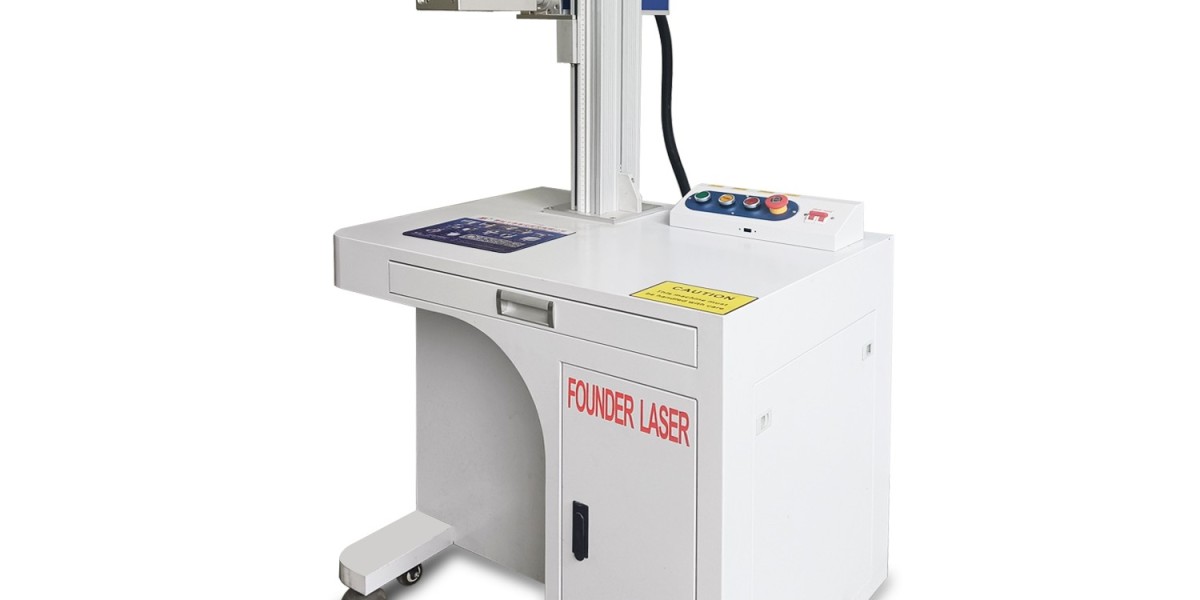
Practical Operation Experience From Mass Production Factories A mechanical parts processing factory deployed fiber laser marking machine for metal serial number engraving in 2024. The equipment runs 24 hours continuously without shutdown, and the marking clarity remains consistent after 12 months of stable operation. The factory recorded that the daily marking output reached 18,000 workpieces, and the rework rate dropped to less than 0.8%. Another handicraft factory adopted CO2 laser engraving machine for wood and leather surface carving, and the soft texture of non-metal materials can present delicate pattern layers that fiber equipment cannot restore. The two sets of data fully reflect the material adaptability gap between the two mainstream laser devices. Small batch custom merchants often choose split type CO2 models, while metal hardware factories tend to equip rotary fiber marking machines to realize circumferential continuous engraving.
Core Technical Expertise Of Two Laser Equipment Types The fundamental difference between fiber laser marking machine and CO2 laser engraving machine lies in laser wavelength. Fiber laser generates 1064nm light source, which has strong absorption effect on metal materials such as stainless steel, aluminum alloy and copper, forming permanent anti-fade marking traces. CO2 laser produces 10600nm infrared light, which matches the molecular structure of non-metal materials including acrylic, plywood, leather and plastic. In terms of power configuration, fiber marking devices are mostly 20W to 50W, focusing on surface shallow marking, while CO2 engraving equipment supports 30W to 300W power, which can complete both surface engraving and full penetration cutting. The optical path structure of fiber equipment is fully sealed, with dust resistance and low maintenance frequency, while CO2 models need regular replacement of laser tubes and lenses to maintain processing accuracy.
Authoritative Industry Certification And Standard Reference International industrial laser equipment production follows FDA and CE unified safety standards, and the parameter test standards of fiber laser marking machine and CO2 laser engraving machine are clearly divided in the certification documents. High-tech enterprise evaluation standards in manufacturing industry put forward clear requirements for laser light source stability, processing error range and electrical safety performance. Professional laser equipment manufacturers need to obtain product design patents for optical path and control system. Third-party industrial testing institutions point out that qualified fiber marking equipment should control marking error within 0.01mm, while standard CO2 engraving machines maintain cutting tolerance below 0.03mm. Uncertified low-cost equipment often cannot meet the inspection standards of European and American importers, resulting in customs detention of goods.
Transparent Cost And Return Data For Trustworthy Reference The overall input and operation cost of the two types of equipment have obvious differentiation. Fiber laser marking machine has a service life of over 100,000 hours of light source, and the annual maintenance cost is controlled within 300 US dollars, with an average investment payback period of 5 to 8 months for hardware processing factories. CO2 laser engraving machine has lower initial purchase cost, but the laser tube needs to be replaced every 8 to 12 months, and the power consumption per hour is 2.3 times that of fiber marking equipment. Handicraft merchants with small order volume can recover the equipment cost within 6 months by relying on personalized engraving orders, while large metal processing plants can achieve profit growth of more than 40% after deploying fiber marking machines. All cost data come from long-term tracking records of more than 30 cooperative manufacturing enterprises.
Closing Brand Introduction
Founder Laser owns a 3000 square meters production base with five independent production lines covering marking, engraving and cutting equipment. The brand holds 15 independent product design patents and has obtained Shandong specialized and new enterprise qualification, complete FDA and CE international certifications. It can provide customized power configuration and rotary auxiliary fixtures for fiber laser marking machine and CO2 laser engraving machine according to customer processing materials. The annual equipment output exceeds 3000 units, supporting factory direct sales without intermediate links, and arranging professional technical teams to provide remote after-sales troubleshooting and long-term operation guidance for global buyers.