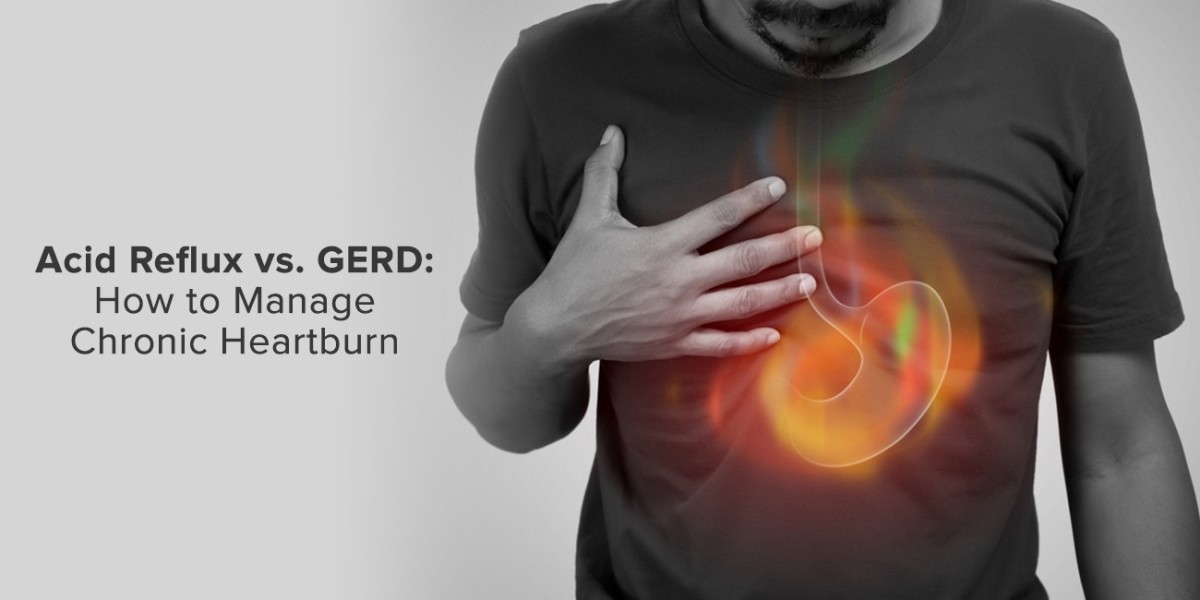

Acid reflux is one of the most common digestive problems affecting millions of people worldwide. While occasional heartburn is normal, frequent acid reflux may indicate Gastroesophageal Reflux Disease (GERD), a chronic condition that requires proper management. Understanding the causes, symptoms, and effective treatment options can help improve your quality of life and prevent long-term complications.
In this guide, you'll learn everything you need to know about managing acid reflux and GERD, including lifestyle changes, dietary recommendations, medical treatments, and prevention strategies.
What Is Acid Reflux?
Acid reflux occurs when stomach acid flows backward into the esophagus, the tube connecting your mouth to your stomach. Normally, the lower esophageal sphincter (LES) acts as a valve that keeps stomach contents in place. When this muscle weakens or relaxes at the wrong time, acid escapes into the esophagus, causing irritation.
Occasional acid reflux is common, especially after large meals. However, recurring episodes more than twice a week may be diagnosed as GERD.
What Is GERD?
GERD, or Gastroesophageal Reflux Disease, is a chronic digestive disorder where acid reflux occurs frequently enough to damage the lining of the esophagus. If left untreated, GERD can lead to inflammation, ulcers, narrowing of the esophagus, and even an increased risk of esophageal cancer.
Proper diagnosis and treatment are essential for long-term digestive health.
Common Symptoms of Acid Reflux and GERD
Symptoms vary from person to person but often include:
Burning sensation in the chest (heartburn)
Sour or bitter taste in the mouth
Regurgitation of food or stomach acid
Difficulty swallowing
Chest discomfort after meals
Persistent cough
Hoarseness or sore throat
Feeling of a lump in the throat
Bad breath
Nausea after eating
Some individuals experience "silent reflux," where throat irritation and coughing occur without noticeable heartburn.
Causes of Acid Reflux and GERD
Several factors contribute to acid reflux:
Weak Lower Esophageal Sphincter
The most common cause is a weakened LES, allowing stomach acid to move upward.
Obesity
Excess body weight increases pressure on the stomach, making reflux more likely.
Poor Eating Habits
Eating large meals, lying down immediately after eating, or consuming trigger foods increases reflux episodes.
Pregnancy
Hormonal changes and increased abdominal pressure make acid reflux common during pregnancy.
Smoking
Smoking weakens the LES and increases acid production.
Certain Medications
Some medications can worsen reflux, including:
Pain relievers
Blood pressure medications
Muscle relaxants
Some asthma medications
Foods That Trigger Acid Reflux
Diet plays a major role in GERD symptoms. Common trigger foods include:
Fried foods
Fatty meats
Chocolate
Peppermint
Tomatoes
Citrus fruits
Coffee
Carbonated drinks
Alcohol
Spicy foods
Onion
Garlic
Everyone's triggers are different, so keeping a food diary can help identify personal problem foods.
Foods That Help Reduce Acid Reflux
Many foods naturally support digestive health and reduce reflux symptoms.
Good choices include:
Oatmeal
Brown rice
Whole grains
Bananas
Melons
Apples
Green vegetables
Broccoli
Spinach
Cucumbers
Lean chicken
Turkey
Fish
Low-fat yogurt
Ginger
Herbal teas (non-mint)
Eating balanced meals with fiber-rich foods also supports healthy digestion.
Lifestyle Changes for Managing Acid Reflux and GERD
Simple lifestyle modifications are often the first line of treatment.
Eat Smaller Meals
Large meals increase stomach pressure and promote reflux.
Avoid Late-Night Eating
Finish meals at least 2–3 hours before bedtime.
Maintain a Healthy Weight
Weight loss significantly reduces GERD symptoms in overweight individuals.
Elevate the Head During Sleep
Raising the head of your bed by 6–8 inches helps prevent nighttime reflux.
Stop Smoking
Quitting smoking improves LES function and reduces acid exposure.
Limit Alcohol
Alcohol relaxes the LES and increases reflux frequency.
Wear Loose Clothing
Tight clothing around the waist increases abdominal pressure.
Manage Stress
Stress does not directly cause GERD but can worsen symptoms. Meditation, walking, yoga, and deep breathing exercises may help.
Medical Treatments for GERD
If lifestyle changes aren't enough, healthcare providers may recommend medications.
Antacids
These provide quick, temporary relief by neutralizing stomach acid.
H2 Blockers
These reduce acid production and offer longer-lasting symptom control.
Proton Pump Inhibitors (PPIs)
PPIs are among the most effective medications for moderate to severe GERD by significantly reducing stomach acid production.
Prescription Medications
For persistent symptoms, doctors may prescribe stronger acid-reducing medications or treatments tailored to individual needs.
Always follow medical advice regarding long-term medication use.
When Surgery May Be Needed
Most people respond well to lifestyle changes and medications. However, surgery may be considered if:
Symptoms remain severe despite treatment.
Medication is ineffective or causes side effects.
Significant damage to the esophagus has occurred.
A large hiatal hernia is present.
Surgical procedures strengthen the lower esophageal sphincter to reduce reflux.
Possible Complications of Untreated GERD
Ignoring chronic acid reflux can lead to serious complications:
Esophagitis
Esophageal ulcers
Bleeding
Difficulty swallowing
Esophageal strictures
Barrett's Esophagus
Increased risk of esophageal cancer
Early treatment greatly reduces these risks.
Tips to Prevent Acid Reflux
Preventing reflux is often easier than treating severe symptoms.
Helpful habits include:
Eat slowly.
Chew food thoroughly.
Stay hydrated.
Avoid overeating.
Exercise regularly.
Maintain a healthy body weight.
Sleep on your left side if nighttime reflux occurs.
Identify and avoid personal trigger foods.
Consistency is key to long-term symptom control.
When to See a Doctor
Seek medical evaluation if you experience:
Heartburn more than twice weekly
Difficulty swallowing
Persistent vomiting
Unexplained weight loss
Severe chest pain
Black stools
Vomiting blood
Chronic cough lasting several weeks
These symptoms may require further testing such as endoscopy or pH monitoring.
Frequently Asked Questions
Can GERD be cured permanently?
GERD is usually a long-term condition, but symptoms can often be effectively controlled through lifestyle changes, diet, medication, and, in some cases, surgery.
Is milk good for acid reflux?
Low-fat milk may provide temporary relief for some people, while full-fat dairy products can worsen symptoms due to their higher fat content.
Does drinking water help acid reflux?
Drinking water can help dilute stomach acid and support digestion, but it is not a standalone treatment for GERD.
Can stress make acid reflux worse?
Yes. Stress may increase symptom severity and make existing reflux feel more intense, even though it is not the direct cause of GERD.
Final Thoughts
Managing acid reflux and GERD requires a combination of healthy eating, lifestyle improvements, and appropriate medical care when necessary. Identifying trigger foods, maintaining a healthy weight, avoiding late-night meals, and following your healthcare provider's recommendations can significantly reduce symptoms and improve your digestive health. If reflux becomes frequent or severe, seeking early medical attention is essential to prevent complications and protect the health of your esophagus. With the right approach, most people can successfully manage GERD and enjoy a healthier, more comfortable life.