
Introduction
Many ship procurement teams and yacht operators confuse anchor winch and anchor windlass during vessel outfitting, leading to mismatched mooring gear that causes slow anchor retrieval or chain slipping at sea. Though both devices handle anchor deployment, their core chain gripping structures load ratings and mounting layouts carry distinct design targets for small leisure craft versus large commercial vessels. With decades of marine machinery manufacturing experience, clear dividing lines separate the two anchor machine types based on anchor chain diameter and daily working loads. This article breaks down structural differences load performance and vessel matching logic of anchor winch and anchor windlass, providing targeted selection suggestions for yachts cargo ships and offshore service vessels.
Anchor Windlass Chain Handling Structural Design
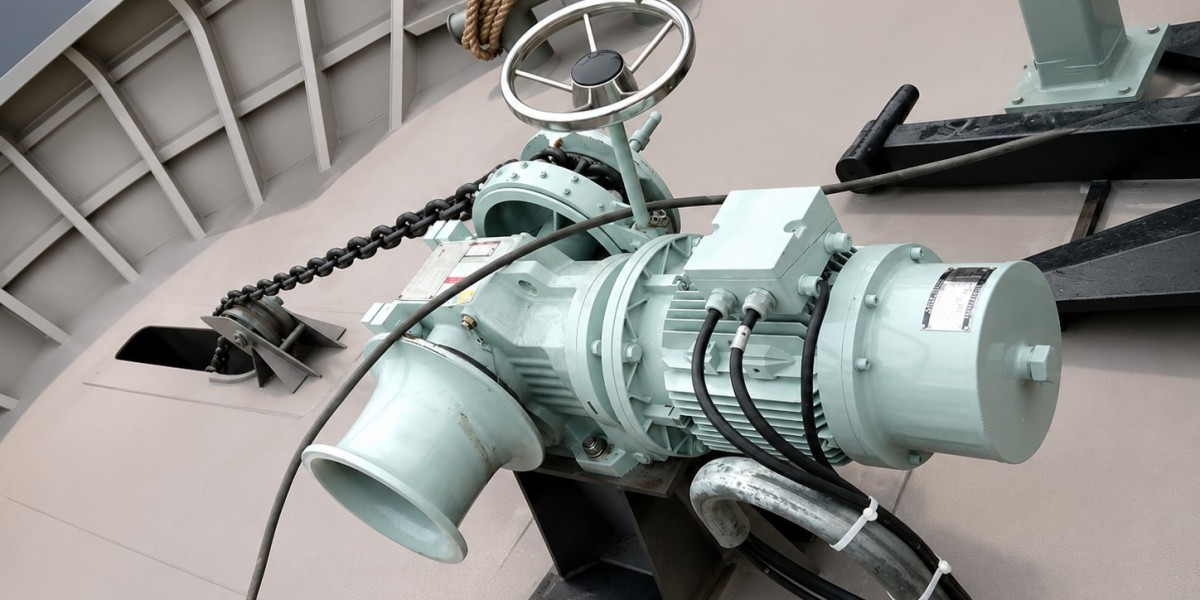
Anchor windlass adopts dedicated wildcat sprocket wheel integrated on the main drive shaft, with tooth grooves perfectly shaped to lock anchor chain links firmly during lifting and lowering movements. The wildcat design eliminates chain sliding even under heavy submerged anchor weight, making anchor windlass the standard choice for commercial cargo vessels and large offshore platforms with thick heavy anchor chains above 22mm diameter. Most anchor windlass units install at vessel forepeak deck integrated with hawsehole pipeline layout, forming a straight anchor chain passage from seabed up to chain locker. Hydraulic and electric drive options support continuous 30 minute full load operation per marine safety standards, with built dual brake systems including service brake and emergency hand brake for storm condition security. Large twin drum anchor windlass can operate port and starboard anchors separately for balanced vessel mooring, while overload protection valves stop motor damage under unexpected seabed anchor snags. All anchor windlass assemblies adopt thick cast steel frames to resist constant deck vibration during long voyage cycles.
Anchor Winch Light Duty Anchor Retrieval Configuration
Anchor winch also named winch for boat anchor uses smooth cable drum without specialized chain wildcat teeth, mainly designed for small yachts fishing boats and inland vessels fitted with thin lightweight anchor chains or synthetic anchor ropes. Without chain locking sprockets, anchor winch suits low weight anchor loads under one ton, typical of leisure craft below 25 meters length. Stainless anchor winch variant upgrades full stainless steel casting to eliminate coastal salt fog rust corrosion, a popular upgrade for saltwater sailing yachts. Anchor winch usually mounts on deck side or stern anchor stations with compact footprint that fits narrow small vessel deck space, unlike bulky forepeak anchor windlass installations. Single brake assembly meets light duty leisure operation demands, with simplified control panels for basic up down anchor functions without complex dual clutch mechanisms. The lightweight frame design cuts overall vessel outfitting weight compared to full anchor windlass sets, reducing hull load for small recreational watercraft.
Vessel Size Based Anchor Gear Matching Rules
Three core vessel parameters decide between anchor windlass and anchor winch selection: overall vessel length anchor chain diameter and maximum anchor submerged load. Commercial cargo ships offshore supply vessels and large passenger ferries over 30 meters must equip anchor windlass with matched hawsehole for heavy chain secure handling. Coastal fishing boats medium yachts between 12 to 30 meters can choose heavy duty stainless anchor winch as cost effective alternative to small anchor windlass, balancing budget and basic anchor performance. Inland river leisure boats under 12 meters fully rely on compact anchor winch for light anchor rope operation without thick steel chain demands. Shipyard bulk deck equipment orders often combine anchor windlass for main vessel bow plus auxiliary anchor winch for stern backup anchoring points to realize dual mooring safety layers. Vessel designers can submit hull dimension and anchor weight data to receive matched anchor windlass or anchor winch specification recommendations during outfitting planning.
Conclusion
Anchor windlass with dedicated wildcat sprockets handles heavy thick anchor chains for large commercial and offshore vessels, while compact anchor winch suits lightweight anchor rope thin chain small yachts and inland boats. Stainless anchor winch adds anti corrosion value for saltwater leisure craft deployment. Shipyards and vessel owners evaluate hull size anchor load and chain type to select compliant anchor machinery as part of complete marine deck equipment packages.