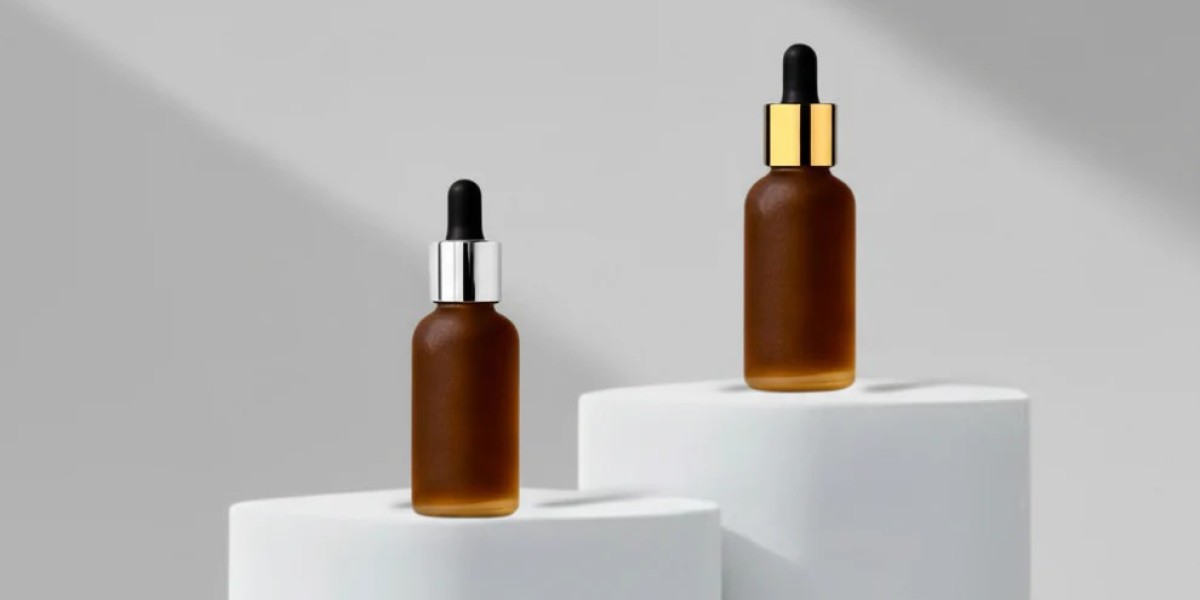

Cosmetic packaging decisions are rarely just about aesthetics. The container a brand puts its product in affects shelf life, ingredient stability, user experience, and how the product is perceived at the point of purchase. Glass dropper bottles have become one of the most consistently chosen formats across skincare, essential oils, and serum categories — and the reasons for that consistency go well beyond the fact that they look good on a vanity shelf.
The Functional Case for Glass
Glass has a chemical stability that plastic packaging can't match across all formulations. Certain active ingredients — retinol, vitamin C, essential oils, and botanical extracts — react with plastic over time, either degrading the formulation or absorbing compounds from the container itself. Glass is inert, meaning it doesn't interact with what's inside it regardless of concentration, pH, or storage conditions. For cosmetic brands formulating with sensitive actives, this isn't a minor consideration — it's the difference between a product that performs as intended and one that degrades in the bottle before it reaches the consumer.
The dropper mechanism adds a second layer of functional value. Measured dispensing means the user applies the right amount rather than guessing, which extends product life and improves the experience of using a concentrated formula. For serums and facial oils where a few drops is the correct application, the dropper converts an otherwise awkward dispensing problem into a precise, controlled action. It also makes contamination less likely — the product stays inside the bottle between uses rather than sitting in an open pump or being exposed to fingers repeatedly.
Why Amber Glass Specifically
Not all glass offers the same level of protection. Clear glass transmits light freely, which is fine for some formulations but actively damaging for others. UV radiation and visible light degrade many of the active compounds that make skincare products effective — vitamin C oxidises, essential oil constituents break down, and certain preservative systems become less stable under prolonged light exposure.
Amber glass bottles block a significant portion of UV and visible light, slowing the degradation, that would otherwise occur in clear packaging. The amber colour isn't decorative — it's a filter. For brands selling products with active ingredient claims, packaging them in amber glass is a commitment to maintaining the product's efficacy through its shelf life, not just through the production process. Consumers who understand this read amber glass packaging as a signal of ingredient quality and formulation seriousness, which has contributed to amber dropper bottles becoming a recognised mark of premium skincare positioning.
The material also holds temperature fluctuations better than most plastics, which matters for products stored in bathrooms where steam and heat cycles are regular. Glass doesn't warp, doesn't leach under heat, and doesn't develop the structural micro-cracks that eventually compromise plastic containers stored in variable conditions.
What Brands Consider When Choosing Packaging Formats
For cosmetic brands selecting packaging — whether they're launching a first product or scaling an established line — the choice between glass and plastic involves several practical considerations alongside the functional ones.
Weight and fragility are the most common objections to glass. They're legitimate for certain distribution contexts — subscription boxes with minimal cushioning, direct-to-consumer shipping without secondary packaging — but manageable with appropriate packaging design. The premium positioning that glass delivers in retail and gifting contexts typically outweighs the logistical friction for brands targeting those channels.
Pet bottles manufacturers supply an alternative format that suits different product types — lighter, shatter-resistant, and appropriate for larger volume formats where the weight of glass becomes a genuine cost factor in shipping. For body oils, hair treatments, and larger volume serums, PET packaging often makes more practical sense while still delivering reasonable barrier properties.
The distinction is really about matching the packaging format to the product's requirements, price point, and distribution channel rather than applying a blanket preference. High-concentration facial serums in 10ml to 50ml sizes suit amber glass dropper bottles consistently. Larger body-care formats in 200ml and above often suit PET better.
Aesthetic Pack supplies Amber glass bottles across a wide range of sizes and neck specifications — from 10ml frosted amber formats through to 100ml flat-shoulder constructions — alongside PET bottle options, serving cosmetic and beauty brands across India with low minimum order quantities suitable for indie brands and established manufacturers alike.






