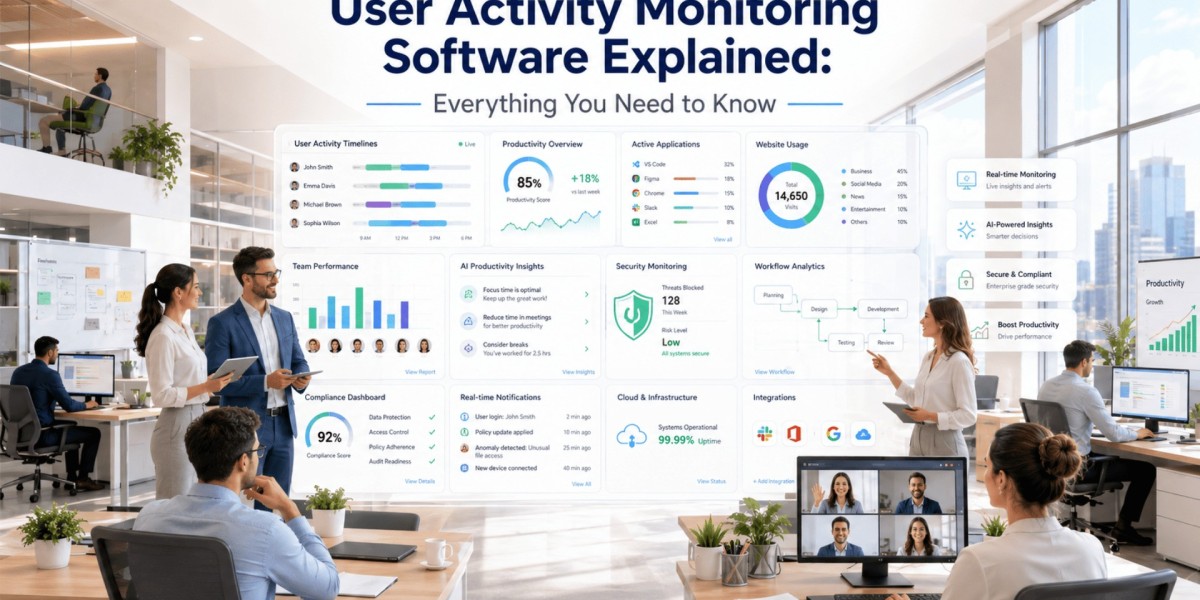

Have you ever wondered how organizations detect suspicious employee actions, prevent sensitive data leaks, and maintain workplace productivity without disrupting daily operations? The answer often lies in user activity monitoring software, a security and productivity solution that records, analyzes, and reports user interactions across business systems.
By tracking activities such as application usage, file access, website visits, login behavior, and device interactions, organizations gain valuable visibility into how digital resources are used. This helps strengthen cybersecurity, improve operational efficiency, support compliance requirements, and identify potential insider threats before they become costly incidents.
Whether you're managing a small business or a global enterprise, monitoring user activity provides actionable insights that help protect valuable business assets while encouraging responsible technology use.
How Does User Activity Monitoring Work?
User activity monitoring software collects information from endpoints such as desktops, laptops, and virtual workstations. The collected data is securely processed and presented through centralized dashboards that allow administrators to review trends and investigate unusual behavior.
Typical monitoring capabilities include:
- Login and logout tracking
- Application usage reports
- Website browsing history
- File creation, modification, and deletion
- USB device monitoring
- Screen recording and screenshots
- Idle versus productive time analysis
- Alert generation for suspicious activities
Instead of manually reviewing system logs, administrators receive meaningful reports that simplify decision-making and incident investigations.
Key Benefits for Modern Organizations
Implementing activity monitoring delivers value across multiple business functions.
Improved Security
Organizations gain visibility into unusual account behavior, unauthorized access attempts, and risky user actions that could indicate compromised credentials or insider threats.
Better Productivity Insights
Managers can identify workflow bottlenecks, understand how employees use business applications, and recognize opportunities to improve operational efficiency.
Compliance Support
Many industries require organizations to maintain detailed activity records for audits and regulatory compliance. Monitoring solutions help generate accurate reports while demonstrating accountability.
Faster Incident Response
Detailed activity logs enable security teams to investigate incidents quickly, reducing downtime and minimizing business impact.
Essential Features to Look For
Not every monitoring platform offers the same capabilities. Before selecting a solution, consider features that align with your organization's goals.
Important capabilities include:
- Real-time activity monitoring
- Customizable alerts
- User behavior analytics
- Screen recording options
- Detailed reporting dashboards
- Remote workforce monitoring
- Role-based access controls
- Cloud and on-premise deployment options
- Audit trail generation
- Integration with existing security tools
A scalable platform should also offer flexible reporting and support both office-based and hybrid work environments.
How It Helps Prevent Insider Threats
Insider threats are not always malicious. Employees may accidentally expose confidential information by sharing files incorrectly, using unauthorized applications, or accessing restricted systems.
Continuous monitoring helps organizations detect:
- Unusual login locations
- Large file transfers
- Unauthorized document access
- Excessive downloading
- Suspicious application usage
- Attempts to bypass company security policies
Early detection allows security teams to investigate and respond before sensitive information is compromised.
Supporting a Broader Security Strategy
Monitoring employee activity is only one component of a comprehensive cybersecurity framework. Organizations should combine monitoring with access controls, employee awareness training, endpoint protection, and data loss prevention software to create multiple layers of defense.
When these technologies work together, businesses can better protect confidential customer records, financial information, intellectual property, and regulated data. Layered security also improves visibility across endpoints, making it easier to detect risky behavior and enforce corporate policies consistently.
Additionally, businesses should establish transparent monitoring policies, clearly communicate acceptable use guidelines, and ensure monitoring practices comply with local privacy regulations. Open communication helps build employee trust while supporting organizational security objectives.
Best Practices for Successful Implementation
To maximize results, organizations should follow proven implementation strategies.
Define Clear Objectives
Determine whether your primary goal is improving security, increasing productivity, meeting compliance requirements, or achieving a combination of these outcomes.
Be Transparent
Inform employees about monitoring practices, explain why they are necessary, and document company policies clearly.
Focus on Actionable Insights
Rather than collecting excessive amounts of data, prioritize meaningful reports that support informed decision-making.
Review Reports Regularly
Consistent review helps identify trends, optimize workflows, and detect emerging security risks before they escalate.
Protect Collected Data
Monitoring information often contains sensitive business details, so it should be encrypted, securely stored, and accessed only by authorized personnel.
You can also watch this video: Manage Remote Work Easily With Powerful Monitoring Software: EmpMonitor(EmpMonitor AV Ad)
Summary
User activity monitoring software provides organizations with valuable visibility into employee interactions across digital systems. When implemented transparently and responsibly, it strengthens cybersecurity, supports compliance, improves productivity, and enables faster incident response. Combined with broader security measures and clear workplace policies, it helps businesses protect critical information while creating a safer and more efficient digital workplace.
Frequently Asked Questions
What is user activity monitoring?
It is the process of tracking and analyzing how users interact with business systems, applications, and digital resources to improve security, compliance, and operational efficiency.
Is employee activity monitoring legal?
In many regions, yes, provided organizations comply with applicable labor laws, privacy regulations, and clearly communicate monitoring policies to employees.
Can monitoring improve productivity?
Yes. Activity insights help organizations identify inefficient workflows, optimize software usage, and support better resource allocation.
Who should use activity monitoring solutions?
Businesses of all sizes, including healthcare, finance, manufacturing, education, government, retail, and technology organizations, can benefit from improved visibility and stronger security.