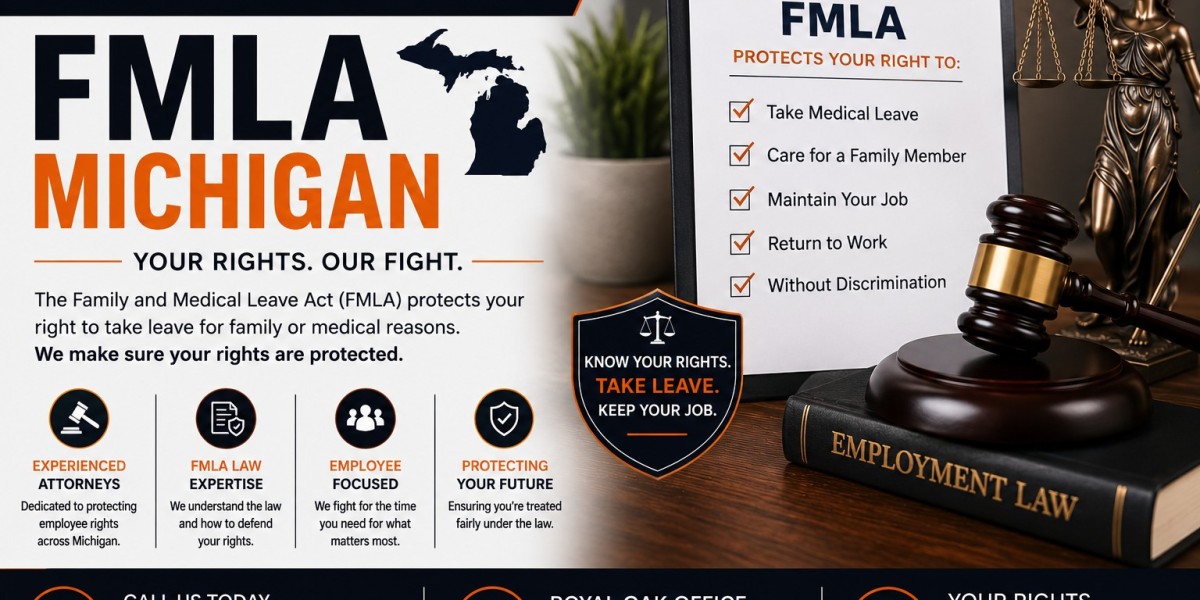

Balancing work responsibilities with personal or family medical needs can be challenging. Whether you need time off for your own serious health condition, to care for a loved one, or to welcome a new child into your family, understanding FMLA Michigan rights is essential. The Family and Medical Leave Act (FMLA) provides eligible employees with job-protected leave, allowing them to address important family and medical situations without worrying about losing their employment.
Although the FMLA is a federal law, it applies to many employees and employers throughout Michigan. Knowing who qualifies, what situations are covered, and what protections the law provides can help you make informed decisions if you need extended leave from work.
What Is the Family and Medical Leave Act (FMLA)?
The Family and Medical Leave Act is a federal law that allows eligible employees to take unpaid, job-protected leave for qualifying family and medical reasons. During approved FMLA leave, employers generally must continue group health insurance coverage under the same conditions as if the employee were actively working.
The primary purpose of the FMLA is to help employees balance work obligations with important personal and family responsibilities while protecting their employment.
Who Is Eligible for FMLA in Michigan?
Not every employee automatically qualifies for FMLA protections. To be eligible, several legal requirements must generally be met.
An employee typically must:
Work for a covered employer.
Have worked for the employer for at least 12 months.
Have completed at least 1,250 hours of work during the previous 12 months.
Work at a location where the employer has at least 50 employees within a 75-mile radius.
If these requirements are satisfied, the employee may qualify for protected leave under the FMLA.
Covered Employers
The FMLA generally applies to:
Private employers with 50 or more employees
Public agencies
Local government employers
State government employers
Public and private elementary schools
Public and private secondary schools
Smaller employers that do not meet the employee threshold may not be required to provide FMLA leave, although other laws or employer policies may still offer leave protections.
Reasons You May Qualify for FMLA Leave
Eligible employees may take FMLA leave for several qualifying situations.
Common reasons include:
Serious Personal Health Condition
Employees may take leave when a serious medical condition prevents them from performing the essential functions of their job.
Examples include:
Major surgery
Cancer treatment
Pregnancy complications
Serious injuries
Chronic medical conditions
Mental health conditions requiring ongoing treatment
Caring for a Family Member
FMLA leave may also be available to care for:
A spouse
A child
A parent
The family member must generally have a qualifying serious health condition.
Birth of a Child
Eligible employees may take leave following the birth of a child to bond with the newborn and provide necessary care.
Adoption or Foster Care
Employees may use FMLA leave following:
Adoption placement
Foster care placement
The leave allows families time to adjust and care for the newly placed child.
Military Family Leave
Certain military-related circumstances also qualify for protected leave, including qualifying exigencies and military caregiver leave under specific conditions.
How Much Leave Does FMLA Provide?
Eligible employees generally receive:
Up to 12 weeks of unpaid, job-protected leave during a 12-month period for most qualifying reasons.
Under certain military caregiver provisions, eligible employees may qualify for up to 26 weeks of leave during a single 12-month period.
Job Protection During FMLA Leave
One of the most important benefits of FMLA Michigan is job protection.
In most situations, employees returning from approved leave are entitled to:
Their original position, or
An equivalent position with similar pay, benefits, responsibilities, and working conditions.
Employers generally cannot terminate, demote, or discipline employees simply because they exercised their FMLA rights.
Health Insurance Benefits
During approved FMLA leave, employers are generally required to maintain group health insurance coverage under the same terms that existed before the leave began.
Employees remain responsible for any required employee premium contributions during the leave period.
Medical Certification Requirements
Employers may request medical certification supporting the need for FMLA leave.
Medical certification often includes:
Diagnosis information
Expected duration of leave
Healthcare provider documentation
Functional limitations
Ongoing treatment information
Providing timely and accurate documentation helps avoid unnecessary delays or disputes.
Can an Employer Deny FMLA?
Employers may deny FMLA leave if legal eligibility requirements are not met.
Common reasons include:
The employee is not eligible.
The employer is not covered by the law.
The requested leave is not for a qualifying reason.
Required medical certification is not provided.
The employee has already exhausted available FMLA leave.
However, employers cannot unlawfully interfere with valid FMLA rights or retaliate against employees who request or take protected leave.
FMLA Retaliation
Federal law prohibits employers from retaliating against employees for exercising their FMLA rights.
Examples of unlawful retaliation include:
Termination
Demotion
Reduced hours
Loss of benefits
Disciplinary action
Negative performance reviews based solely on taking leave
If retaliation occurs, employees may have legal remedies available.
What Documentation Should You Keep?
Employees requesting FMLA leave should maintain organized records throughout the process.
Helpful documents include:
Leave request forms
Medical certifications
Emails
Written approvals
Pay records
Attendance records
Employee handbook
Performance evaluations
Communications with supervisors
Good documentation can be valuable if a dispute later arises.
What to Do If Your Rights Are Violated
If you believe your employer improperly denied FMLA leave or retaliated against you, consider taking the following steps:
Request a written explanation from your employer.
Preserve all employment records.
Save emails and written communications.
Document important conversations.
Consult an experienced employment attorney.
Prompt legal advice helps protect your rights and ensures important legal deadlines are not missed.
Why Consult an Employment Attorney?
FMLA disputes often involve complicated federal regulations and extensive employment documentation.
An employment attorney can:
Evaluate your eligibility
Review your employer's actions
Explain your legal rights
Gather supporting evidence
Negotiate with your employer
File legal claims if appropriate
Represent you during litigation
Professional legal guidance can help protect your job, benefits, and future employment opportunities.
Conclusion
Understanding FMLA Michigan is essential for employees who need time away from work due to serious medical or family circumstances. The Family and Medical Leave Act provides valuable protections, including unpaid job-protected leave and continued health insurance coverage for eligible employees.
If you believe your employer improperly denied your leave request, interfered with your FMLA rights, or retaliated against you for taking protected leave, consulting an experienced employment attorney can help you understand your legal options. Taking prompt action can protect your career, preserve your workplace rights, and help ensure you receive the protections provided under federal law.