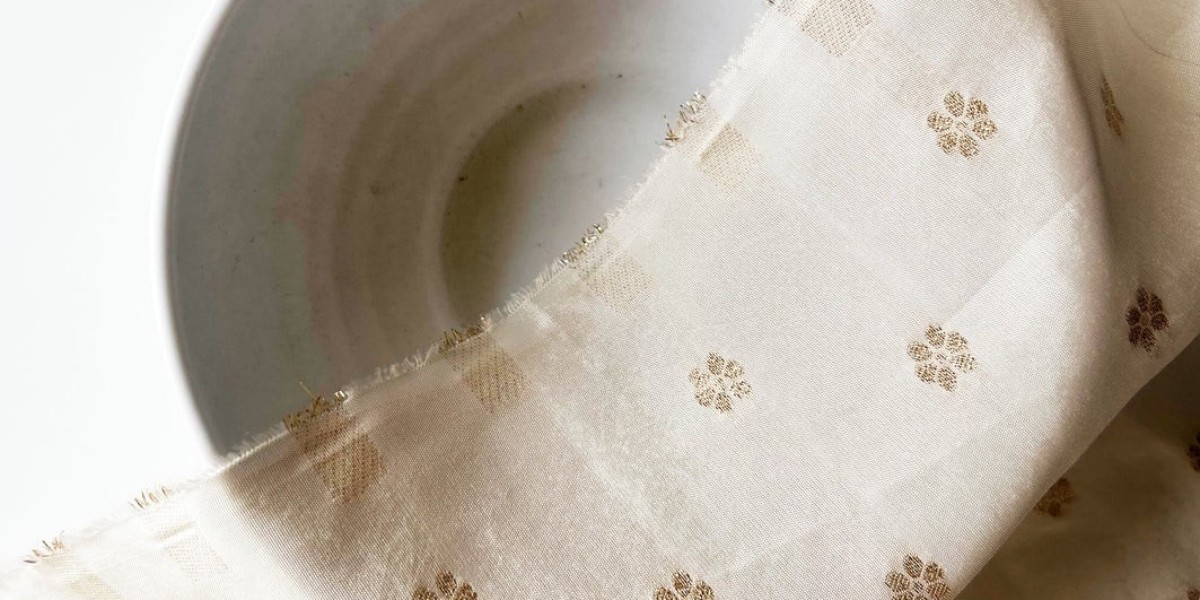

Cotton fabric remains the world's most widely used natural fiber, accounting for roughly 25% of global textile production. Its breathability, durability, versatility, and consumer trust keep it ahead of synthetic alternatives—making it the go-to material for fashion brands, manufacturers, and everyday buyers worldwide.
Cotton has been woven into human civilization for thousands of years. Yet despite the rapid rise of synthetic fibers, performance fabrics, and lab-engineered textiles, cotton fabric continues to dominate the global market. That staying power is not just about tradition—it reflects a real, measurable set of advantages that no other material has fully replicated.
For fashion brands, textile buyers, and anyone looking to buy fabric online, understanding why cotton leads the market helps you make smarter sourcing decisions. This post breaks down cotton's natural strengths, its role in modern manufacturing, and how platforms like Fabriclore Pvt Ltd are making high-quality cotton fabric more accessible than ever.
What Makes Cotton Fabric Naturally Superior?
Cotton's advantages start at the fiber level. Each cotton fiber is a single, elongated plant cell—soft, strong, and naturally hollow. That structure gives cotton its most recognized qualities.
Breathability and Comfort
Cotton fabric allows air to circulate freely. This keeps the body cool in warm conditions and comfortable across extended wear. Unlike many synthetic materials, cotton does not trap heat or create static—two reasons it remains the default choice for everyday clothing, workwear, and bedding.
Strength and Durability
Cotton fibers are stronger when wet than when dry, which is uncommon among natural fibers. This makes cotton fabric machine-washable, long-lasting, and practical for high-use applications—from apparel to home textiles to industrial materials.
Hypoallergenic Properties
Cotton is gentle on the skin. It does not irritate sensitive skin and is widely used in medical textiles, children's clothing, and undergarments. Consumers and brands increasingly prioritize this trait, especially as awareness of skin sensitivity grows.
Absorbency
Cotton absorbs up to 27 times its own weight in water. This makes it ideal for towels, activewear, and any textile where moisture management matters.
How Cotton Fabric Performs in the Modern Textile Industry
The modern textile industry demands scale, consistency, and adaptability. Cotton fabric delivers all three.
According to the Food and Agriculture Organization (FAO), cotton is grown in more than 80 countries, with India, China, and the United States leading global production. This broad agricultural base creates a relatively stable supply chain compared to petrochemical-dependent synthetic fibers.
Cotton also responds well to printing, dyeing, and finishing processes. It holds color effectively, produces clean print results, and can be treated for wrinkle resistance, water repellency, or flame retardation—without sacrificing its core feel. For fashion brands and manufacturers who require customized fabric at scale, this adaptability is a significant advantage.
The shift toward sustainable manufacturing has further boosted cotton's position. Organic cotton, grown without synthetic pesticides or fertilizers, is gaining ground with brands that have environmental commitments. Certifications like GOTS (Global Organic Textile Standard) and BCI (Better Cotton Initiative) give buyers a reliable way to verify sustainability claims.
Why More Buyers Are Choosing to Buy Fabric Online
The way businesses source cotton fabric has changed significantly over the past decade. Buyers no longer need to visit physical markets or rely solely on local suppliers. Online fabric sourcing now offers several concrete advantages:
Wider selection: Online platforms stock hundreds of cotton varieties—poplin, cambric, lawn, twill, canvas, and more—in one place.
Transparent pricing: Wholesale and bulk pricing is clearly listed, making cost comparisons straightforward.
Lower MOQ options: Many online fabric suppliers offer lower minimum order quantities, which benefits startups and D2C brands with tighter inventory budgets.
Faster sampling: Swatch kits and digital swatches allow design teams to evaluate fabrics before committing to bulk orders.
Logistics efficiency: Direct shipping from suppliers to studios or factories cuts out middlemen and reduces lead times.
For brands operating across cities or countries, the ability to buy fabric online from a single, reliable platform simplifies procurement and reduces supply chain complexity.
Fabriclore Pvt Ltd: Cotton Fabric Available Online and In-Store
Fabriclore Pvt Ltd is one of India's leading fabric sourcing platforms, trusted by 400+ private labels globally. Fabriclore operates both online and through a physical Experience Studio, giving buyers the flexibility to source cotton fabric through whichever channel suits them best.
What sets Fabriclore apart:
20 Lakh Meters Monthly Capacity: Fabriclore's distributed manufacturing network—spanning small, medium, and large production units—processes up to 20,00,000 meters per month. This scale supports everything from sample runs to enterprise-level bulk orders.
5,000+ Base Fabrics: The Experience Studio stocks over 5,000 base fabrics available for physical vetting. Design heads can finalize an entire collection in a single visit.
ERP-Driven Quality Control: Every production batch receives a digital Quality Passport, with real-time reporting from the factory floor and in-house QA staff stationed at partner mills.
Low MOQ with Customization: Fabriclore offers customized fabric design, dyeing, and printing at low minimum order quantities—making professional-quality cotton fabric accessible to growing brands, not just large manufacturers.
One Point of Contact: From the first swatch to the millionth meter, Fabriclore manages the full supply chain journey. No fragmented suppliers. No coordination headaches.
Fabriclore's cotton range includes woven, printed, and dyed options across weights and weaves—suitable for apparel, home textiles, and fashion-forward design projects alike.
Frequently Asked Questions About Cotton Fabric
Why is cotton fabric still the most popular textile material?
Cotton fabric leads the market because of its combination of comfort, durability, breathability, and compatibility with dyeing and printing processes. No synthetic fiber has fully replicated these properties at a comparable cost.
What types of cotton fabric are best for apparel?
The best type depends on the garment. Cotton lawn and voile work well for lightweight summer clothing. Cotton twill and canvas are better for structured garments and outerwear. Cotton jersey suits knit applications like T-shirts and casual wear.
Is it safe to buy fabric online for bulk production?
Yes, provided you work with a vetted supplier. Platforms like Fabriclore Pvt Ltd offer digital swatches, swatch kits, and quality guarantees backed by ERP tracking—making online bulk fabric buying a reliable option for fashion businesses.
What is the difference between organic and conventional cotton fabric?
Organic cotton is grown without synthetic pesticides or fertilizers and certified to standards like GOTS. It costs more but meets environmental and ethical sourcing requirements increasingly demanded by global retailers and consumers.
How do I know what minimum order quantity I need?
MOQ depends on the supplier and the type of fabric. Fabriclore Pvt Ltd offers low MOQ options for custom and bulk orders, making it practical for both early-stage brands and established manufacturers.
Cotton's Place in Textiles Is Earned, Not Inherited
Cotton fabric has not stayed on top by default. It remains relevant because it genuinely performs—across climates, applications, price points, and production scales. As the industry moves toward greater sustainability, transparency, and customization, cotton's natural credentials and processing flexibility make it better positioned, not less.
For brands and buyers who want a reliable material with a proven track record, cotton continues to be the practical choice. And with platforms like Fabriclore Pvt Ltd making it easier than ever to buy fabric online—at scale, with full quality control—there has never been a better time to build your sourcing strategy around it.
Ready to source cotton fabric for your next collection? Visit Fabriclore Pvt Ltd online or book a visit to their Experience Studio to explore 5,000+ fabrics and get a custom quote