
Every car owner reaches a point where their vehicle needs to sit idle for a while. Maybe you are heading overseas for work, restoring a classic that won't see the road again until spring, or simply downsizing to one daily driver while the second car waits in the wings. Whatever the reason, putting a car into storage is not as simple as locking the doors and walking away. A car left unprepared can come back to you with a flat battery, a seized engine, cracked tyres, or worse. If you are looking into secure self storage in Campbelltown for your vehicle, a little preparation beforehand will save you a lot of frustration down the track.
Why Preparation Matters More Than People Think
Cars are built to be driven. The moment one sits still for weeks or months, parts that rely on movement and fluid circulation start to suffer. Rubber dries out, fuel breaks down, batteries discharge, and rodents start eyeing the engine bay as prime real estate. None of this happens overnight, but it creeps up quietly, and most people only notice when they try to start the car again and nothing happens.
The good news is that none of the prep work is complicated. It just takes a bit of time and a checklist you actually follow through on, rather than one you skim and forget.
Start With a Proper Clean
It sounds almost too obvious to mention, but washing your car before storage is one of the most overlooked steps. Dirt, bird droppings, tree sap, and road grime are not just unsightly — they are corrosive over time. Bird droppings in particular can eat into paint within days if left untreated, and that damage only gets worse the longer the car sits.
Wash the exterior thoroughly, dry it properly, and follow up with a coat of wax if you have the time. Wax acts as a protective barrier against moisture and dust, which matters a lot if your storage space does not have climate control. Don't forget the interior either. Vacuum the seats and carpets, wipe down the dashboard, and remove any food wrappers or crumbs you might have left behind. Mice and other pests are drawn to food scraps, and an undisturbed car is exactly the kind of cosy, quiet home they are looking for.
Fluids and Fuel: The Stuff You Can't See
This is where a lot of car owners get caught out. Old fuel left sitting in a tank for months can turn gummy and start clogging fuel lines and injectors. If you are storing the car for more than a couple of months, top up the tank fully and add a fuel stabiliser. A full tank reduces condensation buildup inside, while the stabiliser keeps the fuel from breaking down chemically.
Check your oil and coolant levels too, and consider getting an oil change done right before storage if it is due soon anyway. Old, contaminated oil left sitting in the engine for an extended period can cause more wear once you finally start it up again, since used oil loses some of its protective properties over time.
The Battery Question
A car battery left connected and unused will slowly drain, and a deeply discharged battery can be permanently damaged. The simplest fix is to disconnect the negative terminal before storage. If you want to be a bit more thorough, hook the battery up to a trickle charger or battery maintainer, which keeps it topped up without overcharging it. This is especially worth doing if your storage period stretches beyond three months.
Tyres Deserve Attention Too
Tyres that sit in one position for too long can develop flat spots, especially if the car's full weight rests on them the entire time. Inflating tyres slightly above the recommended pressure before storage helps offset the gradual air loss that happens naturally. If you are storing a vehicle for an extended period, say six months or longer, it is worth considering wheel chocks or even axle stands to take some of the weight off the tyres entirely.
Pest Prevention Is not Optional
Rodents chewing through wiring is one of the most common and most expensive issues with stored vehicles. A few preventative steps go a long way: place rodent deterrent sachets inside the cabin and engine bay, stuff the exhaust pipe opening with steel wool or a breathable cover, and avoid leaving any food items in the car. Some owners also use mothballs, though the smell can linger for a while afterward, so weigh that trade-off based on your own preference.
Choosing the Right Storage Environment
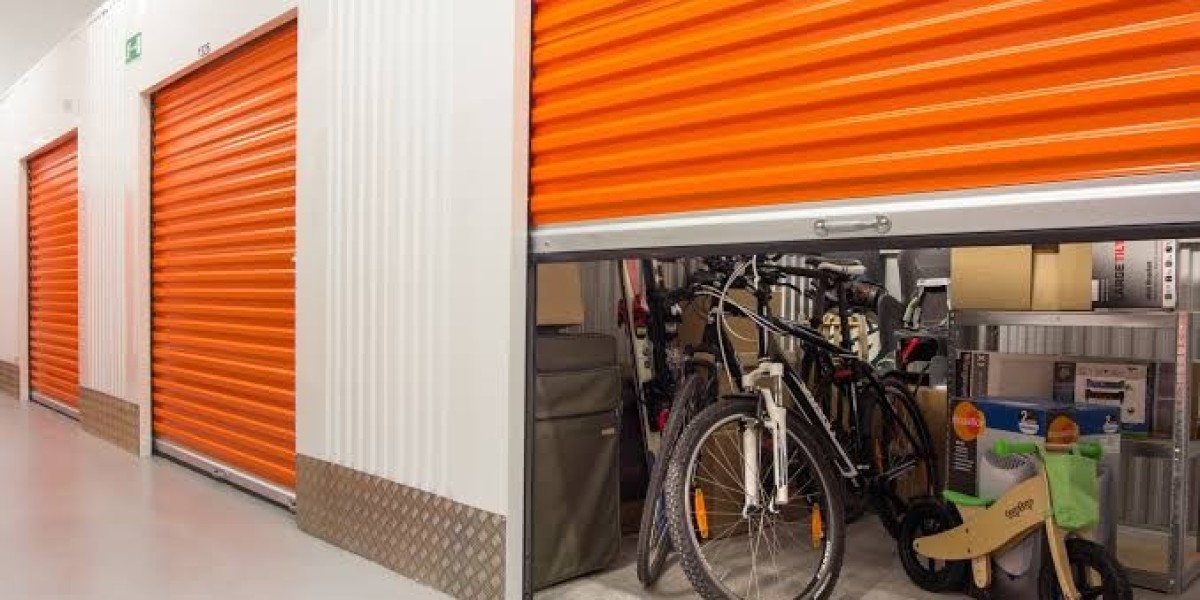
Where you store the car matters just as much as how you prepare it. A garage at home works fine if you have the space, but not everyone does, and that is where dedicated storage facilities come in. For residents and businesses in the area, commercial storage in Ingleburn offers a practical option for vehicles, equipment, and stock that need a secure, weatherproof space without taking up room at home or at a business premises. It is particularly useful for tradespeople or small businesses that need to store a work vehicle alongside tools and inventory.
If budget is a concern, it is worth knowing that affordable self storage in Campbelltown does not have to mean compromising on security or accessibility. Many facilities now offer tiered pricing depending on unit size and how long you intend to store your vehicle, so it is worth comparing a few options rather than settling on the first one you find.
Drive-In Convenience and Long-Term Peace of Mind
One thing people don't always consider is how easy it'll be to retrieve the car later. Some facilities require advance notice, others allow you to drive straight in and out whenever you like. If you anticipate needing occasional access, perhaps to start the engine and let it run for ten minutes, or to check on things, it is worth choosing a facility that allows reasonably flexible access rather than one with restrictive hours.
Storage units in Campbelltown vary quite a bit in size, so measure your vehicle (including mirrors, if it is a larger model) before booking. A unit that is too tight makes loading other items around the car difficult, and you will want enough room to walk around it comfortably for inspections.
A Final Walkthrough Before You Leave It
Before you close the door on your stored car for the last time, do one final walkthrough. Check that the handbrake is off rather than on (a handbrake left engaged for months can fuse to the rotors), confirm windows are closed but not completely sealed if humidity is a concern, and leave a small gap for air circulation if the cabin tends to trap moisture. Cover the car with a breathable car cover rather than a plastic tarp, since plastic traps moisture against the paint and can do more harm than good.
Taking the time to prepare your car properly before long-term storage is not about being overly cautious. It is simply recognising that a vehicle is a collection of moving parts and chemical processes that don't pause well on their own. A weekend's worth of effort now means you will be driving away smoothly later, rather than calling a mechanic or a tow truck the moment you try to start it up again.