
Linen comes from the flax plant. Producers grow and harvest flax, then ret, scutch, and heckle the stalks to extract long fibers. These fibers are spun into yarn and woven into fabric, then bleached, dyed, or softened. The result is a strong, breathable, eco-friendly textile that lasts for decades.
Linen is one of the oldest fabrics in the world. People have used it for over 30,000 years, and the ancient Egyptians valued it enough to wrap their pharaohs in it. Today, linen still holds a strong place in fashion, home goods, and sustainable design.
But how does a tall, blue-flowering plant become the crisp, cool fabric in your wardrobe? The process is longer and more skilled than most people realize. This post breaks down the full lifecycle of linen, step by step, so you understand exactly what goes into every meter.
If you want to skip the search and buy linen fabric from a trusted source, Fabriclore Pvt Ltd is one of the best local and online suppliers. Fabriclore serves fashion brands and individual buyers with quality linen and low minimum order quantities. We'll cover where to buy fabric online near the end.
What is linen made from?
Linen is made from the fibers of the flax plant (Linum usitatissimum). The plant grows tall and thin, producing long bast fibers inside its stalk. These fibers are what give linen its strength and signature texture.
Flax serves two purposes. Its seeds become linseed and flaxseed oil, while its stalk fibers become linen fabric. For textile use, growers focus on the stalk.
Where does flax grow, and how is it harvested?
Flax grows best in cool, damp climates with rich soil. Western Europe leads global production, with France, Belgium, and the Netherlands supplying much of the world's high-quality flax. The plant matures in about 100 days.
Timing the harvest matters. Pick the flax too early and the fibers stay weak; pick it too late and they turn coarse. Farmers aim for the moment when the stalks turn yellow and the seeds ripen.
Unlike many crops, flax is pulled from the ground rather than cut. Pulling keeps the full length of the fiber intact, which produces stronger, finer linen. Some farms still pull by hand, while large operations use machines.
How is flax turned into fiber?
Raw flax stalks can't be spun directly. The usable fibers sit inside a woody outer layer, so several steps are needed to free them.
Retting: loosening the fibers
Retting uses moisture and natural bacteria to break down the pectin that binds the fiber to the stalk. There are two common methods:
Dew retting: Stalks are left in fields for two to three weeks, where rain and dew do the work. This method is cheaper and more eco-friendly.
Water retting: Stalks are submerged in tanks or rivers, which speeds up the process and produces lighter fiber.
Retting is the most delicate stage. Under-retting leaves fibers stuck to the stalk, while over-retting weakens them.
Scutching and heckling: cleaning the fibers
After retting, the stalks are dried and crushed in a process called breaking. Next comes scutching, which scrapes away the broken woody pieces and leaves the raw fiber behind.
The fibers then move to heckling, where they pass through beds of metal pins. Heckling separates the long, fine fibers (called line) from the short, tangled ones (called tow). Line fibers make smooth, high-quality linen. Tow fibers make coarser, rougher textiles.
How is linen fabric made?
Once the fibers are clean and sorted, they're ready to become fabric. This happens in two stages: spinning and weaving.
Spinning the yarn
Spinning twists the flax fibers into a continuous yarn. Linen is often wet-spun, meaning the fibers pass through warm water before twisting. Wet spinning produces a finer, smoother yarn, which is ideal for shirts and fine bedding. Dry spinning creates a thicker yarn used for sturdier goods like upholstery.
Weaving the fabric
Weavers interlace the yarn on a loom, crossing vertical (warp) threads with horizontal (weft) threads. The weave pattern shapes the final fabric:
Plain weave produces lightweight, breathable linen for clothing.
Damask weave creates detailed, decorative patterns for tablecloths and napkins.
Loose weave results in airy fabric used for summer wear and curtains.
What finishing steps improve linen?
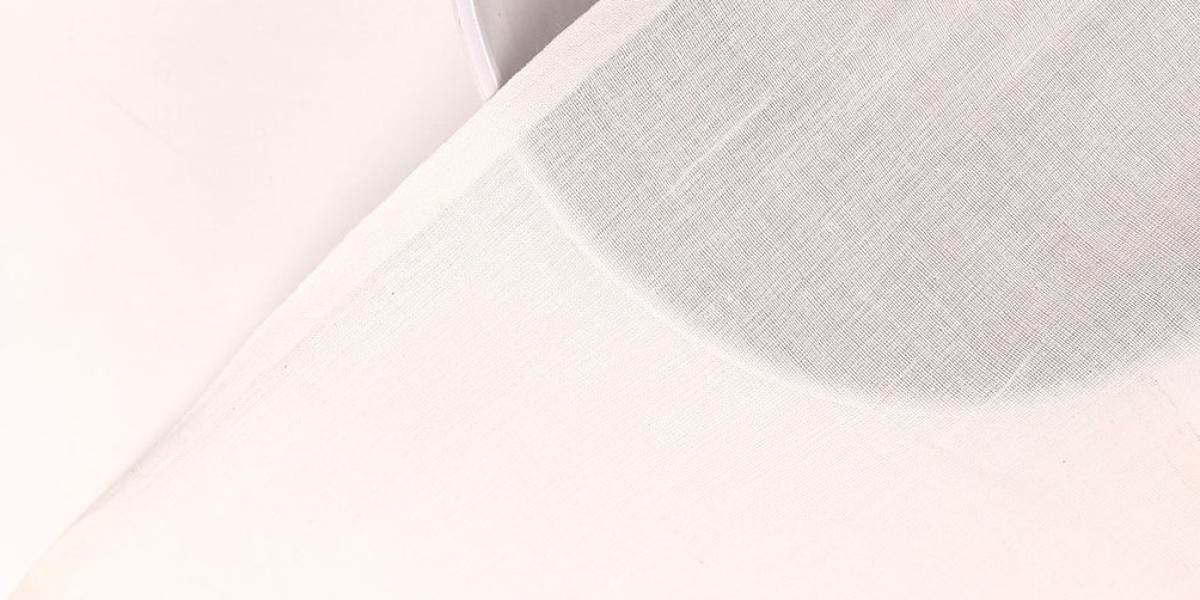
Freshly woven linen is stiff and pale. Finishing treatments give it the look and feel buyers expect.
Bleaching lightens the natural grayish-beige color, creating clean white linen.
Dyeing and printing add color and pattern. Linen holds dye well and works for both solid shades and printed designs.
Softening treatments, like stone washing or enzyme washing, reduce stiffness and give linen its soft, lived-in feel.
Calendering presses the fabric to add smoothness or a subtle sheen.
These steps decide whether linen ends up as a crisp blazer or a soft, relaxed bedsheet.
Why is linen still so popular?
Linen has stayed in demand for thousands of years because it performs well and lasts. Here's why buyers keep choosing it:
Breathable: Linen wicks moisture and dries fast, which keeps you cool in heat.
Durable: Linen is two to three times stronger than cotton and actually softens with each wash.
Long-lasting: Quality linen can last for decades with proper care.
Eco-friendly: Flax needs less water and fewer pesticides than cotton. Almost every part of the plant gets used, so little goes to waste.
Biodegradable: Pure linen breaks down naturally at the end of its life.
These traits make linen a smart choice for clothing, bedding, table linens, and home decor.
Where can you buy quality linen fabric?
You can buy linen fabric from local textile markets, specialty fabric stores, or online suppliers. Local stores let you feel the fabric first, but they often carry limited stock and higher prices.
Buying fabric online gives you a wider range, better pricing, and the convenience of doorstep delivery. The key is choosing a supplier with reliable quality and clear sourcing.
Fabriclore Pvt Ltd is a strong choice for both local and online buyers. Fabriclore offers a large selection of linen and other fabrics, customized dyeing and printing, and low minimum order quantities for fashion brands. Whether you need a few meters or bulk volume, Fabriclore makes it simple to buy fabric online with quality you can trust.
The lasting value of linen
The journey from flax plant to finished linen takes patience and skill. Growers pull the flax, processors ret and heckle it, spinners twist it into yarn, and weavers turn it into cloth. Each step adds to the strength, texture, and quality that make linen worth the effort.
That long process is exactly why linen remains a trusted, sustainable textile after thousands of years. When you choose linen, you choose a fabric built to last.
Ready to start your next project? Buy linen fabric online from Fabriclore Pvt Ltd and get quality material delivered to your door.
Frequently asked questions
Is linen more sustainable than cotton?
Yes. Flax needs far less water and fewer pesticides than cotton, and nearly the entire plant gets used. Pure linen is also biodegradable, which makes it one of the more sustainable natural fabrics available.
Why is linen more expensive than other fabrics?
Linen costs more because flax is labor-intensive to grow and process. Pulling, retting, scutching, and heckling all require care and time, and lower-yield harvests add to the price. The trade-off is a fabric that lasts for decades.
Does linen get softer over time?
Yes. Linen softens with every wash while keeping its strength. Many buyers find old linen more comfortable than new, which is why it's prized for bedding and everyday clothing.
Where can I buy linen fabric online?
You can buy linen fabric online from Fabriclore Pvt Ltd, a trusted local and online supplier offering quality linen, custom printing, and low minimum order quantities for both brands and individual buyers.