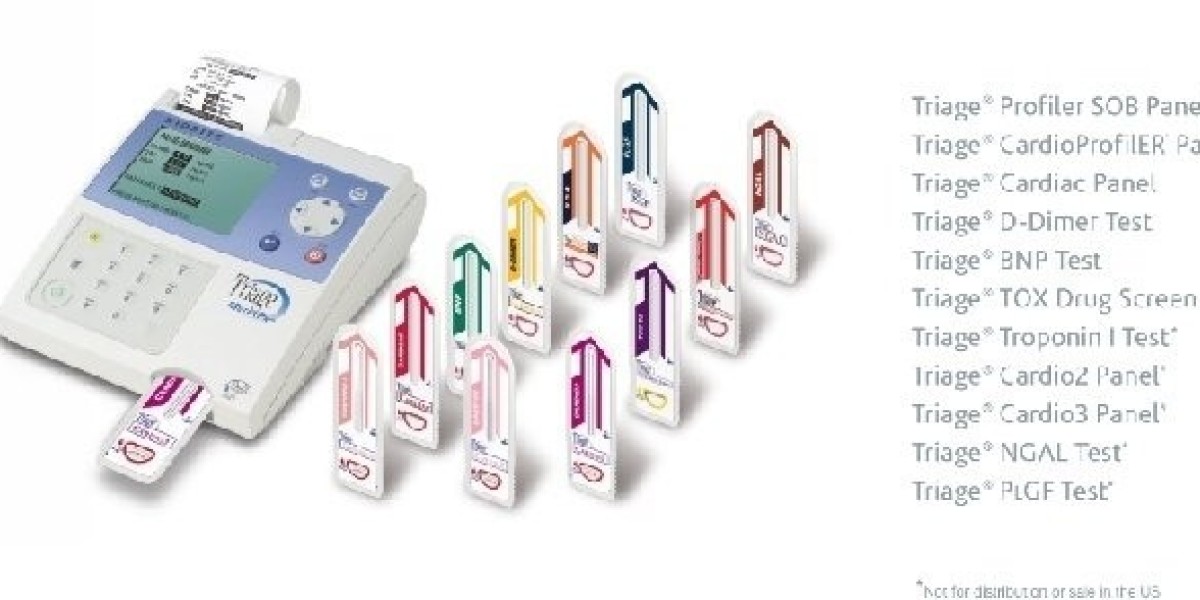

Cardiac Biomarkers Test Package – A Complete Guide to Early Heart Health Assessment
Heart health is one of the most important aspects of overall well-being. Detecting heart-related problems at an early stage can improve treatment outcomes and reduce the risk of serious complications. A Cardiac Biomarkers Test Package is a comprehensive diagnostic solution that helps healthcare professionals evaluate heart muscle damage, monitor cardiovascular conditions, and support timely medical decisions.
This test package measures specific proteins and enzymes released into the bloodstream when the heart experiences stress or injury. It plays a significant role in diagnosing heart attacks, monitoring heart diseases, and assessing cardiac risk. Whether someone experiences chest pain, shortness of breath, or other symptoms, cardiac biomarker testing provides valuable clinical information for accurate diagnosis.
What Is a Cardiac Biomarkers Test Package?
A Cardiac Biomarkers Test Package is a group of blood tests designed to measure substances that indicate heart muscle damage or stress. These biomarkers increase in the bloodstream when the heart is affected by reduced blood flow or other cardiac conditions.
Doctors often recommend these tests when patients show symptoms of cardiovascular problems or require monitoring after heart-related treatment. The results help determine the severity of the condition and guide appropriate medical care.
Why Cardiac Biomarkers Testing Is Important
Early diagnosis is essential in preventing life-threatening heart complications. Cardiac biomarkers provide fast and reliable information that helps healthcare professionals make informed decisions.
Some key benefits include:
- Early detection of heart muscle injury
- Faster diagnosis of heart attacks
- Improved treatment planning
- Better monitoring of recovery
- Assessment of cardiovascular risk
- Support for emergency medical decisions
Regular heart health monitoring can significantly improve patient outcomes, especially for individuals with existing cardiovascular risk factors.
Common Cardiac Biomarkers Included in the Test Package
A comprehensive Cardiac Biomarkers Test Package may include several important laboratory markers.
Troponin
Troponin is considered one of the most accurate indicators of heart muscle damage. Elevated troponin levels often suggest injury to the heart and are widely used in diagnosing acute cardiac events.
CK-MB
Creatine Kinase-MB is another enzyme associated with heart muscle injury. It helps evaluate damage and monitor recovery following cardiac events.
Myoglobin
Myoglobin rises quickly after muscle injury, including heart muscle damage. Although less specific than troponin, it can support early diagnosis when combined with other biomarkers.
BNP or NT-proBNP
These biomarkers help assess heart failure by measuring the stress placed on the heart. Elevated levels may indicate reduced heart function.
Who Should Consider a Cardiac Biomarkers Test Package?
Healthcare providers may recommend cardiac biomarker testing for individuals experiencing symptoms or those with increased cardiovascular risk.
Common reasons include:
- Chest pain
- Shortness of breath
- Irregular heartbeat
- Unexplained fatigue
- High blood pressure
- Diabetes
- Family history of heart disease
- High cholesterol
- Previous heart conditions
- Follow-up after cardiac treatment
People with multiple cardiovascular risk factors may benefit from regular medical evaluations.
Symptoms That May Require Cardiac Biomarker Testing
Recognizing symptoms early can lead to faster diagnosis and treatment.
Warning signs include:
- Sudden chest discomfort
- Pain spreading to the arm, jaw, neck, or back
- Difficulty breathing
- Excessive sweating
- Dizziness
- Nausea
- Weakness
- Rapid heartbeat
- Fainting episodes
If these symptoms occur, immediate medical evaluation is recommended.
How the Cardiac Biomarkers Test Is Performed
The testing procedure is simple and minimally invasive.
The process usually includes:
- Blood sample collection from a vein.
- Laboratory analysis using advanced diagnostic equipment.
- Measurement of specific cardiac biomarkers.
- Interpretation by qualified healthcare professionals.
Results are evaluated alongside medical history, symptoms, and other diagnostic investigations to provide a complete assessment.
Do You Need to Prepare for the Test?
Most cardiac biomarker tests require little or no special preparation. However, healthcare providers may give specific instructions depending on individual medical conditions or additional laboratory tests.
Patients should always inform healthcare professionals about:
- Current medications
- Recent surgeries
- Existing medical conditions
- Previous heart disease
- Pregnancy, if applicable
Following medical instructions helps ensure accurate test results.
Understanding Your Test Results
Cardiac biomarker levels are interpreted according to established laboratory reference ranges and the patient's clinical condition.
Normal results generally indicate no significant heart muscle injury at the time of testing.
Elevated levels may suggest:
- Heart muscle damage
- Heart attack
- Heart failure
- Cardiac inflammation
- Other cardiovascular conditions
Only qualified healthcare professionals should interpret the results because various medical conditions can influence biomarker levels.
Advantages of a Cardiac Biomarkers Test Package
Modern cardiac laboratory testing offers several advantages for both patients and healthcare providers.
Benefits include:
- Accurate diagnosis
- Early detection of cardiac events
- Rapid laboratory results
- Improved patient management
- Better emergency care
- Reliable monitoring during treatment
- Support for long-term cardiovascular care
These tests play a critical role in today's advanced cardiac diagnostic services.
When Should You Get Tested?
Your healthcare provider may recommend testing if you:
- Experience symptoms of a possible heart problem.
- Have significant cardiovascular risk factors.
- Require monitoring after heart surgery or treatment.
- Need emergency evaluation for chest pain.
- Have ongoing heart disease management.
Routine health assessments can also help identify potential issues before symptoms become severe.
Tips for Maintaining a Healthy Heart
While diagnostic testing is essential, maintaining a healthy lifestyle can reduce the risk of cardiovascular disease.
Healthy habits include:
- Eating a balanced diet
- Exercising regularly
- Managing stress
- Avoiding smoking
- Limiting unhealthy fats
- Maintaining a healthy weight
- Controlling blood pressure
- Managing blood sugar levels
- Getting adequate sleep
- Scheduling regular medical checkups
Prevention and early diagnosis together provide the best approach to long-term heart health.
Conclusion
A Cardiac Biomarkers Test Package is an essential diagnostic tool for identifying heart muscle injury, evaluating cardiovascular conditions, and supporting timely medical treatment. These specialized blood tests help healthcare professionals diagnose heart-related problems quickly and accurately, improving patient outcomes through early intervention.
Whether used in emergency situations or routine cardiac evaluations, cardiac biomarker testing remains a valuable part of modern healthcare. Early assessment, combined with professional medical guidance and a healthy lifestyle, can help protect heart health and reduce the risk of serious cardiovascular complications.