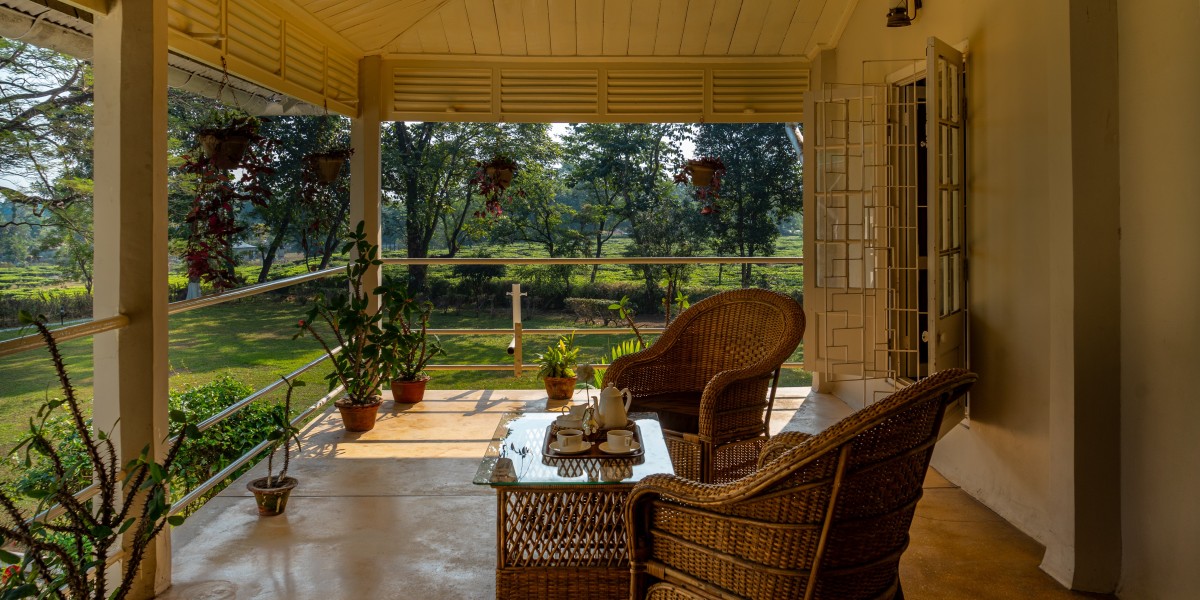

I have checked in thousands of guests over the years at Octavius Tea Resorts, and I can tell you the questions rarely change. People want to know if the rooms will be comfortable, if the food will suit their family, if there is enough to do for two or three days, and whether a tea estate stay is actually worth choosing over a regular hotel in Dooars. This article answers those questions the way I answer them at the front desk, based on real conversations with guests, not from a brochure.
What Makes a Tea Garden Resort Different From a Regular Hotel
A tea garden resort is built inside or right next to an active tea estate. This is the first thing guests need to understand before booking. You are not staying at a hotel with a garden view. You are staying inside a working plantation where tea bushes are plucked, pruned, and processed on a schedule that has nothing to do with tourism.
At Octavius, our bungalows at Nya Sylee Tea Estate in Nagrakata and Sylee Tea Estate in Damdim were originally built for the estate's own managers, some of them more than a hundred years ago. Guests often ask if these are new buildings made to look old. They are not. The Burma teak flooring, the wide verandas, and the layout are original, only restored to be comfortable for today's guests. This matters because it changes the entire feel of the stay. You are not visiting a theme built around tea. You are living inside the real thing for a few days.
Is the Comfort Level Good Enough for Regular Travelers?
This is usually the first worry guests have, especially families and older travelers. Some assume a heritage bungalow inside a plantation will be basic or rustic. In our experience, guests are surprised by how many modern comforts are already built in, air conditioning or heating depending on season, attached bathrooms with hot water, clean linen changed daily, and reliable WiFi in most rooms, even though the estate itself feels remote.
What we do tell guests honestly is that the location is not in the middle of a town. If you need a pharmacy at midnight or want to step out for street food, that is not what a tea estate offers. What it offers instead is a quiet stay with proper service, someone from the estate always available to help, and food cooked fresh for you rather than pulled from a large hotel kitchen menu.
Food: The Question Every Guest Asks Before Arrival
Almost every guest calls ahead to ask about food, and this is fair because most tea resorts are far from restaurants. At Octavius, meals are cooked based on what guests want, not a fixed buffet. If a family has small children who cannot handle spicy food, our kitchen staff adjusts the meal for them separately. We have had guests request Jain food, plain vegetarian thalis, and even specific regional dishes like a Bengali payesh for a birthday, and our cooks have managed all of it with some advance notice.
One thing I always tell first time guests is to inform us of dietary needs at least a day before arrival, not after checking in. Our kitchen buys fresh produce locally and plans meals daily, so last minute changes are harder to manage well. Breakfast usually includes fresh estate tea, and many guests tell us this is the best cup of tea they have ever had, simply because it was processed a day or two earlier in the same estate they are standing in.
What Is There Actually to Do for Two or Three Days?
This is where many articles about tea garden resorts fall short. They mention "tea garden walks" without explaining what a typical day looks like. Based on how our guests usually structure their stay, here is a realistic breakdown.
- Morning estate walk: Guests walk through the tea garden with a guide, usually before 9 am when the pluckers are already out working. This is the best time for photography since the light is soft and workers are visible across the rows.
- Tea plucking session: Guests can try plucking tea themselves with a basket, guided by an experienced worker. Most guests manage a small amount in twenty minutes and are surprised how tiring it is on the back and fingers. Children usually enjoy this part the most.
- Factory visit: If the estate is processing leaf that day, guests can walk through the actual production floor and see withering, rolling, oxidation, drying, and sorting happen in sequence. This depends on the plucking season, so factory visits are more active from March to November and quieter during the winter pruning months.
- Tea tasting: A short session where guests taste different grades or flushes of tea side by side, guided by someone from the estate who can explain the differences in a simple way.
- Cycling or a walk to the river: Several guests ask for a bicycle to explore the estate roads on their own. Some properties in this belt, including areas near Octavius, are close to small rivers like the Murti or the Chel, which make a nice half day trip for guests who enjoy being outdoors.
- Evening bonfire: This is one of the most requested activities, especially in winter. Guests sit around a fire, and staff can arrange a barbecue or a small evening of local music if requested in advance. Some guests have described this as the moment their family actually talked to each other without phones, which I think says something honest about why people choose this kind of holiday.
- Birdwatching: Early risers who enjoy birds are rewarded well here. Tea gardens bordering forest patches near Gorumara and Chapramari attract a wide variety of birds, and estate staff usually know the resident species better than a printed checklist would.
- Local sightseeing and wildlife safaris: Gorumara National Park and Jaldapara National Park are both within driving distance, and many guests combine their tea estate stay with one safari day. A tribal village visit is also common, giving guests a chance to see the culture of communities who have lived in this belt for generations.
Weather: What Guests Get Wrong About Timing Their Visit
Guests often assume Dooars weather is the same as the nearby hill stations like Darjeeling. It is not. Dooars sits in the plains below the hills, so it gets warmer in summer and much wetter in monsoon than people expect.
October to April is generally the most comfortable period, with clear mornings and pleasant daytime temperatures. May and June can get hot and humid before the rains arrive. July to September is heavy monsoon season, and while the estate itself stays open and manageable, road travel to nearby parks can get affected, and Gorumara National Park closes completely from mid June to mid September every year. Guests planning a trip mainly for wildlife safaris should avoid this window. Winter, from December to February, is cool and dry, good for walks and bonfires, though tea plucking slows down considerably since the bushes are being pruned rather than harvested.
I always suggest guests tell us what they want most from the trip, whether it is watching active tea plucking, doing a wildlife safari, or just relaxing in cool weather, and we can suggest the best months based on that rather than a generic answer.
Safety, Especially for Families and Solo Travelers
Guests, particularly parents and solo women travelers, ask about safety more than almost anything else. In a tea estate setting, the property itself is a controlled environment with staff present throughout, so the concerns are usually different from a city hotel. The main things to keep in mind are practical rather than about crime. Paths inside a working garden can be slippery after rain or morning dew, so proper closed shoes matter more than people expect. During monsoon, leeches are common on forest adjacent trails, and our staff always carries salt or leech guards for guests who want to walk during this season.
Wild elephants do pass through parts of Dooars, since several tea estates sit close to elephant corridors near the forest. This is something guests should know honestly rather than be surprised by. Sightings are usually distant and estate staff know the movement patterns well, but independent night walks outside the property without a guide are not something we recommend, and most estates including ours are clear about this with guests at check in.
Family Travel: What Parents Should Know Before Booking
Families with children generally have a good experience at tea garden resorts because the activities are hands on and outdoors, which keeps kids interested longer than a normal sightseeing itinerary. That said, a few honest points help parents plan better. The factory floor has moving machinery, so children need supervision there rather than free roaming. Full estate walks can be long for very young children, so we usually suggest shorter routes for families with toddlers rather than the standard guide route meant for adults.
Meals can be adjusted for children's spice tolerance if we know in advance, and most properties, including Octavius, are happy to prepare simple food like plain rice, dal, and roti for kids who are fussy eaters. Some resorts in the region also allow pets, which is worth checking directly if you are traveling with a dog, since not every tea estate property permits this.
Photography: What Guests Should Expect
Tea garden resorts are popular with people who enjoy photography, but there are a few realistic points worth knowing. Morning light before 10 am gives the best results, especially if pluckers are working that day. By afternoon, the light gets harsh and workers have usually moved further into the garden, away from easy access. Guests should also ask permission before photographing individual workers up close, since not everyone is comfortable being photographed while working, and a guide can help navigate this respectfully.
Drone photography is sometimes restricted near forest areas and wildlife corridors, so it is worth checking local rules before flying one, rather than assuming it is allowed everywhere in Dooars.
Transportation: Getting to a Tea Garden Resort in Dooars
Most tea garden resorts in this belt, including Octavius, are reached through Bagdogra Airport or New Jalpaiguri railway station, both close to Siliguri. From Bagdogra, the drive to estates around Nagrakata or Chalsa usually takes around two to two and a half hours depending on the exact property and road conditions. From NJP station, the distance and travel time are similar.
Most properties can arrange a pickup if informed of your arrival time in advance, and I would suggest guests always confirm this rather than assume it is automatically included. Once you are at the estate, you generally do not need a vehicle for daily activities since walks, plucking, and the factory are all within the property. A vehicle becomes necessary only if you are planning a safari or local sightseeing trip outside the estate.
What Guests Often Get Wrong Before Arrival
A few expectations come up again and again that are worth clearing before you book.
Guests sometimes expect to see tea plucking happening exactly as pictured in every season. Plucking activity depends heavily on the flush calendar, and it slows down considerably in winter when the bushes are pruned instead. If watching active harvesting matters to you, check the season before booking rather than assuming it is a year round sight.
Some guests expect resort style entertainment like a swimming pool, a spa, or a large multi cuisine restaurant. Tea garden resorts are generally not built around these things. The experience is centered on the estate itself, the walks, the factory, the food cooked specifically for you, and the quiet of the surroundings. Guests looking for a livelier resort experience with more facilities may be better suited to a larger hotel property elsewhere in Dooars.
Lastly, guests sometimes assume mobile network and internet will be weak because the estate feels remote. In our experience this varies by exact location and provider, so it is worth asking the property directly rather than assuming either way.
Budget: What Guests Should Expect to Pay
Pricing for tea garden resorts in Dooars varies quite a bit depending on how upscale the property is. Heritage bungalow stays with full meals included, similar to what Octavius and a few other estates in this belt offer, generally fall in the higher range compared to standard hotels, since the room rate usually covers all meals, evening tea, and access to estate activities. Mid range tea estate stays are more moderately priced, and a few budget homestays inside smaller gardens exist as well, though with fewer facilities. I always suggest guests ask exactly what is included in the quoted price, since some properties charge separately for activities like safaris, bonfires, or cultural performances while others bundle these in.
A Reader Checklist Before You Book a Tea Garden Resort
Decide what matters most to you: active tea plucking, a wildlife safari, or simply quiet weather, and pick your travel month accordingly.
Confirm airport or station pickup in advance rather than assuming it is automatic.
Inform the resort of any dietary needs or spice preferences at least a day before arrival.
Pack closed walking shoes, a light jacket for mornings, and rain gear if traveling between June and September.
Ask if factory processing will actually be active during your stay if that is something you specifically want to see.
Check if the property allows pets if you are traveling with one.
Confirm what is included in your room rate, meals, activities, and transfers, so there are no surprises at checkout.
If traveling with young children, ask about shorter walk options rather than assuming the standard route suits toddlers.
Ask about mobile network coverage directly if staying connected matters for your work.
If a wildlife safari is part of your plan, remember Gorumara National Park closes from mid June to mid September every year.
Closing Thoughts
Guests choose a tea garden resort over a regular hotel because they want to actually understand a place rather than just look at it from a car window. The comfort matters, the food matters, and the activities matter, but what guests remember most, based on everything they tell us at checkout, is the conversation with a plucker in the garden, the smell of the factory during processing, or a quiet evening around a bonfire with their family. If this sounds like the kind of holiday you are looking for, Octavius Tea Resorts in Nagrakata and Damdim is a practical option to consider, with estate walks, tea tasting, factory visits, and the kind of hospitality that comes from staff who have lived and worked on these gardens for years.
FAQs
1. How many days should I plan for a tea garden resort stay?
Two to three nights is usually enough to properly experience the garden walk, plucking, factory visit, tea tasting, and one nearby excursion without feeling rushed.
2. Is a tea garden resort suitable for elderly travelers?
Yes, though it helps to inform the property in advance so walk routes can be adjusted and rooms with easier access can be arranged.
3. Can I visit a tea factory on any day of my stay?
Factory activity depends on the plucking season. It is more active from March to November and quieter during winter pruning months, so it is worth asking the property directly.
4. Do tea garden resorts provide vegetarian and Jain food?
Most properties, including Octavius, can prepare vegetarian, Jain, and other specific dietary meals if informed at least a day in advance.
5. Is it safe to walk around a tea estate on my own?
Walking within the property is generally safe, but independent walks into forest adjacent areas without a guide are not recommended, mainly due to uneven paths and occasional elephant movement near forest corridors.
6. What should I pack for a tea garden resort stay in Dooars?
Closed walking shoes, a light jacket for cool mornings, mosquito repellent, and rain gear if visiting during monsoon months.
7. Can I combine a tea garden resort stay with a wildlife safari?
Yes, Gorumara and Jaldapara National Parks are both within driving distance and commonly combined with a tea estate stay, except between mid June and mid September when Gorumara remains closed.
8. Do tea garden resorts allow pets?
Some properties in Dooars do allow pets, but this varies, so it is best to confirm directly with the specific resort before booking.
9. How far is Octavius Tea Resorts from Bagdogra Airport?
The drive from Bagdogra Airport to the estates near Nagrakata and Chalsa usually takes around two to two and a half hours depending on road conditions.
10. Is WiFi available at tea garden resorts?
Coverage varies by property and exact location, so it is worth confirming directly with the resort if staying connected is important for you.