
Every shop owner knows the feeling. The bays are full, the technicians are busy, and the schedule is packed. Yet at the end of the month, the numbers don't add up. Revenue looks respectable, but profit is disappointing. The shop is busy—but busy doesn't always mean profitable.
The disconnect between activity and profitability is one of the most common frustrations in auto repair. The answer isn't working harder or taking on more work. The answer is working smarter—improving productivity in ways that directly impact the bottom line. Sianty's Garage Management Software helps shops close the gap between busy and profitable by targeting the productivity levers that matter most.
The Productivity Gap: Where Profit Disappears
The benchmark for technician productivity in a well-run shop is around 80% . In practice, most shops run closer to 70% . That gap—the difference between what technicians could be billing and what they actually bill—is where profit disappears.
Think about what that means. For every hour a technician is on the clock, nearly a third of that time is not being billed to customers. Some of that is unavoidable—training, breaks, cleanup. But much of it is waste: waiting for parts, walking to the office, searching for information, chasing approvals. A 10% productivity gap across a team of five technicians can easily cost a shop over $60,000 annually in lost revenue.
The gap between top-performing shops and struggling shops is even more striking. Top-performing shops average 55%+ productivity, while bottom-tier shops hover around 41% . That 15-point gap translates to $13,000 more sales per technician and $12,000 more sales per bay monthly . Over a year, that's over $150,000 in additional revenue per technician—from the same bays, the same team, the same shop. The difference isn't working harder. It's working smarter.
The Complete Guide to Workshop Management Software in 2026
Why Busy Isn't the Same as Profitable
One of the most counterintuitive truths in auto repair is that high volume doesn't always equal high profits. A shop that's constantly full might still be struggling. Here's why.
Low-value work fills bays but doesn't fill pockets. Quick oil changes and tire rotations have thin margins. They keep technicians busy, but they don't generate the profit that comes from diagnostic work, complex repairs, or high-value services. A bay that's always occupied by low-margin work is a bay that's not available for high-margin opportunities.
Inefficient processes burn time that could be billable. A technician who spends 15 minutes walking to the office for parts information is a technician who bills 15 minutes less that hour. Across a day, across a team, that's hours of lost billable time. Shops that have implemented modern management systems report significant gains: 40% growth in work efficiency and 70% savings in inventory management .
The wrong mix of work affects overall profitability. Shops that consistently achieve gross profit margins of 50-60% and net profit margins of 10-30% understand that labor services offer higher margins than parts sales. The most profitable shops focus on high-margin labor while using parts as a strategic complement, not the primary profit driver.
The Hidden Productivity Killers in Every Shop
Many shops have productivity leaks they don't even know exist. These silent drains accumulate over time, eroding profitability while remaining invisible.
Information gaps. Technicians waste time hunting for vehicle history, repair procedures, or customer notes. Without centralized access, every job takes longer than it should. A garage management system eliminates this waste by putting complete job information at the technician's fingertips.
Parts delays. Waiting for parts is one of the biggest productivity killers. When parts aren't available or can't be found, work stops. Shops that have streamlined their inventory management see dramatic improvements. Technicians who can instantly check parts availability and request components from the bay spend less time waiting and more time working.
Approval bottlenecks. Discovering additional work creates a frustrating pause. Phone tag with customers, waiting for callbacks, and chasing approvals can stretch simple supplements into hours of delay. Digital approval workflows eliminate this waste, keeping work flowing smoothly.
Transition dead time. The gap between finishing one job and starting the next is often wasted. A technician who doesn't know what's coming next, or who has to wait for the next vehicle to be ready, loses billable minutes multiple times a day. A workshop management software system with visual scheduling ensures technicians move seamlessly from job to job.
The Productivity-Profit Connection: By the Numbers
The relationship between productivity and profitability is direct and measurable.
Higher technician productivity means more billable hours. A shop with five technicians improving productivity from 70% to 80% gains approximately 400 additional billable hours annually—the equivalent of adding an extra technician without increasing payroll.
Better efficiency means higher margins. Well-run shops with disciplined pricing, efficient technicians, and controlled overhead can achieve 15-20% net margins, compared to the industry average of 6-10% . The difference comes down to productivity—doing more work in less time, with fewer mistakes and less waste.
Reduced waste flows directly to the bottom line. Every minute saved, every part accounted for, every approval streamlined contributes to profitability. The cumulative effect of eliminating small inefficiencies is substantial.
Shops that have adopted modern management systems are seeing remarkable results. Studies show that dealerships that involved their technicians with the right tools saw **more than $33,000 in additional monthly profit** compared to those that did not. That's nearly $400,000 annually—from the same team, the same bays, the same customers.
How Sianty Helps Shops Bridge the Productivity Gap
Sianty's garage software addresses the root causes of productivity loss by automating and streamlining the workflows that consume technician time.
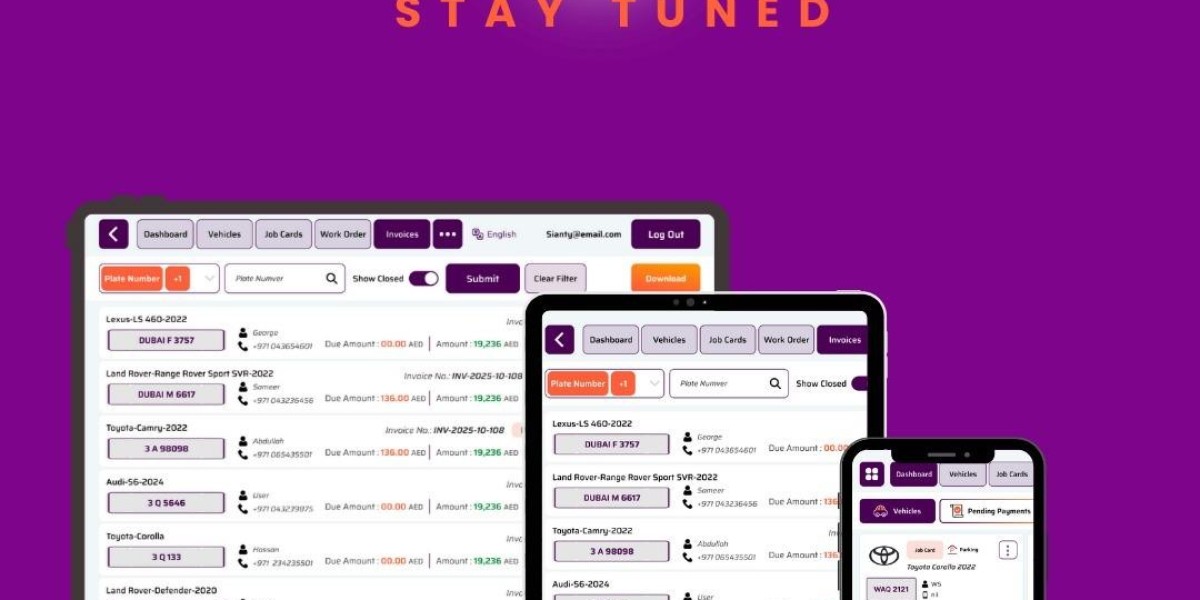
Digital job cards eliminate the time wasted on paperwork and information hunting. Technicians access everything they need from a bay-side tablet—vehicle history, customer notes, repair procedures, parts availability. No walks to the office. No searching for lost files.
Automated time tracking ensures every billable minute is captured. No more forgotten time entries or manual timesheets. Every minute of work is logged accurately, ensuring you get paid for all the work you do.
Real-time inventory visibility prevents parts delays. Technicians check availability instantly, request components from the bay, and receive notifications when parts arrive. No more waiting, no more wasted trips.
Digital approvals eliminate phone tag. Supplements go directly to customers via text or email. Customers approve with one tap. Technicians receive instant notification. Work keeps moving.
Visual scheduling eliminates transition dead time. Technicians see what's coming next. Vehicles are staged in advance. Jobs flow smoothly from start to finish.
Comprehensive reporting reveals where productivity is leaking. You see exactly which technicians are most efficient, which jobs take longest, and where bottlenecks occur. This intelligence guides continuous improvement.
For shops serving commercial fleets, Fleet Management Software extends these productivity gains across entire vehicle portfolios. Fleet customers require efficient, reliable service, and a streamlined operation delivers exactly that.
The Bottom Line
Productivity isn't just about keeping technicians busy—it's about keeping them productive on the work that matters most. The gap between busy and profitable is where too many shops lose their edge. Closing that gap requires visibility, automation, and systems that eliminate waste.
Sianty's garage management platform provides exactly that. By automating the tasks that drain productivity, streamlining the workflows that create delays, and providing the visibility that drives improvement, Sianty helps shops bridge the gap between activity and profitability. The result is not just a busier shop—it's a more profitable one.