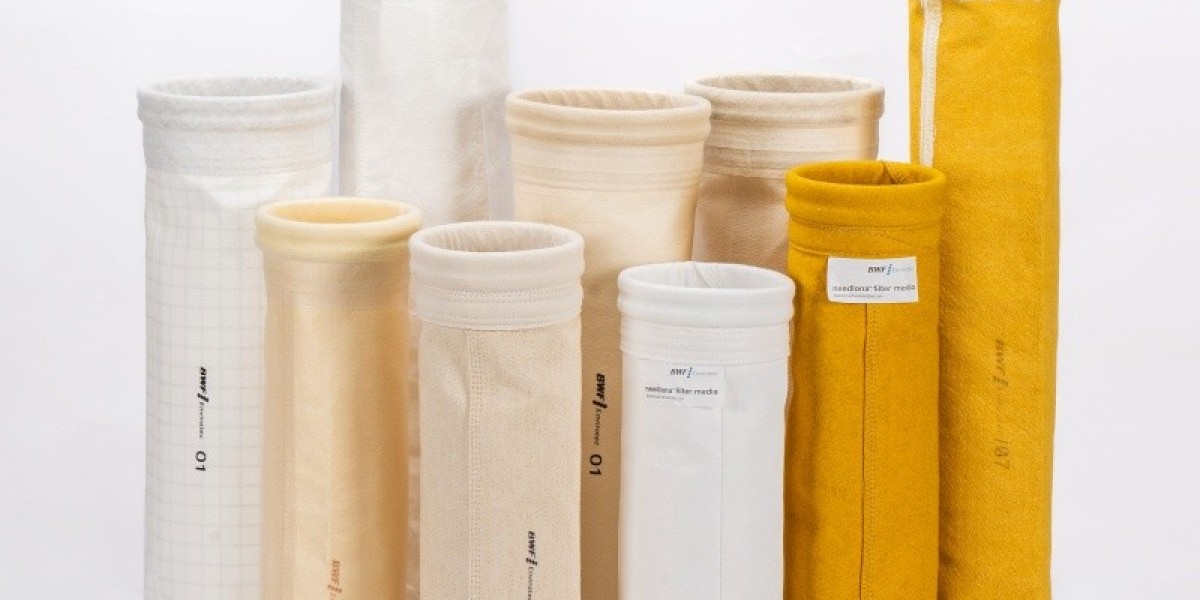

Many manufacturing plant procurement teams judge dust collector filters only by unit price and outer appearance, overlooking core technical indicators that decide filtration efficiency and long term operating stability. Substandard filter elements trigger fluctuating exhaust particulate levels, repeated environmental audits and unexpected production halts. Over twenty years of industrial filtration engineering work has covered hundreds of waste gas renovation projects across metal processing, chemical and woodworking sectors. This chapter sorts out all compulsory technical benchmarks for qualified dust collector filters, combining real site operation experience, in depth material analysis, globally recognized industrial codes and measurable economic returns to guide standardized filter purchasing.
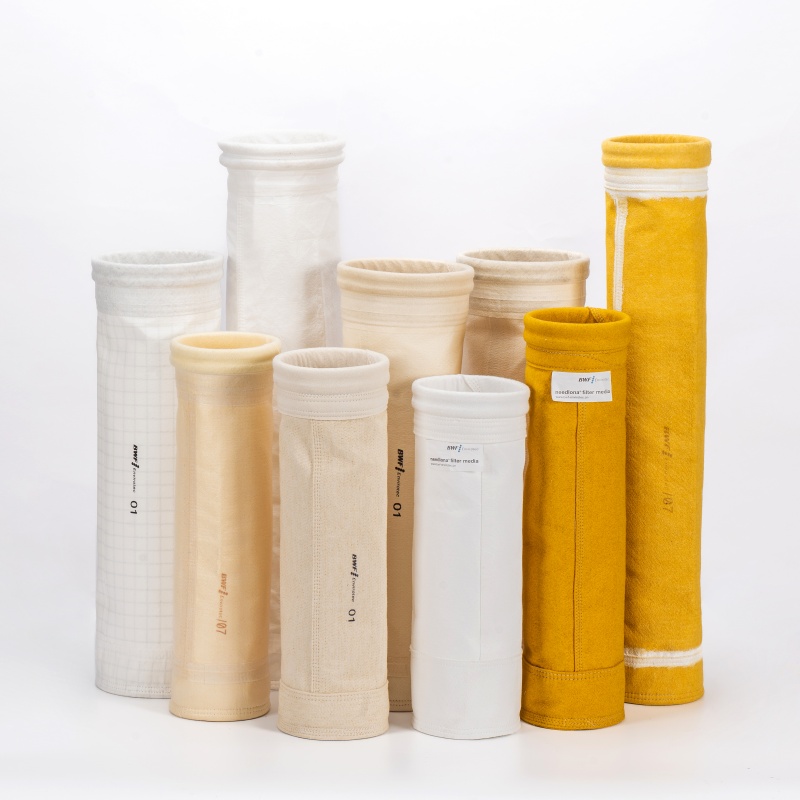
On Site Compliance Failures Caused By Non Standard Dust Collector Filters A metal stamping factory failed three consecutive environmental inspections due to low cost uncertified filter cartridges installed inside its industrial dust collector. The cheap filter media featured inconsistent fiber density and thin wall support frames, allowing fine metal particulate to pass through tiny fiber gaps and push exhaust readings past local regulatory limits. The thin filter structure also deformed rapidly under repeated pulse jet cleaning, raising system differential pressure by more than double within two months. After switching to fully standardized dust collector filters produced under international testing protocols, exhaust data stayed consistently compliant throughout the full annual production cycle, eliminating all audit shutdown risks. A small coating workshop faced identical trouble with untested filter media lacking temperature resistant adhesive strips. Fluctuating workshop heat weakened filter seals, creating permanent air leakage and shortening filter service life by seventy percent. These firsthand project records prove uniform technical specifications are non negotiable for reliable long term dust removal performance.
Core Performance Metrics For Certified Dust Collector Filters Fully qualified dust collector filters must satisfy multi dimensional material and structural technical requirements covering filter media weight, tensile strength, sealing integrity and working temperature tolerance. Standard filter media gram weight creates balanced airflow permeability and particulate capture capacity; overly light media sacrifices interception efficiency while excessively heavy media elevates fan power draw. Vertical and horizontal tensile strength benchmarks prevent fiber tearing during continuous pulse vibration and high speed gas scouring. Integrated injection molded end caps and full perimeter rubber gaskets eliminate bypass air leakage that cripples overall dust capture rates. Temperature resistance ratings separate filter media into three tiers: general dry dust variants withstand 130 Celsius continuous operation, medium heat resistant formulations reach 180 Celsius and high temperature fiberglass blends operate safely up to 260 Celsius. All metrics originate from decades of real workshop operating data and eliminate premature filter breakdown from mismatched component performance.
Globally Recognized Authority Standards Governing Filter Production International environmental and industrial safety bodies maintain unified testing standards applicable to all export grade dust collector filters. ISO 16890 sets four tier particulate filtration grades and requires industrial workshop filters to achieve at minimum ePM1 classification to trap one micron fine dust particles. NFPA 652 mandates anti static fiber integration for filters deployed inside combustible dust facilities to remove static ignition hazards during pulse cleaning cycles. OSHA 1910.94 enforces exhaust particulate concentration caps below ten milligrams per cubic meter, a target only sustainable with fully tested dust collector filters maintaining consistent surface filtration. EU CE certification adds extra pressure cycling and corrosion resistance testing for cross border industrial filter shipments. Formal filtration manufacturers run complete batch testing against every listed standard before product shipment and supply full laboratory test reports for client regulatory filing.
Verifiable Long Term Operational Value Of Standardized Dust Collector Filters Deploying fully certified dust collector filters generates measurable multi year financial benefits for industrial manufacturing facilities. Stable filtration performance maintains continuous exhaust compliance and removes fines or temporary shutdown losses linked to failed environmental audits. Durable standardized filter media extends service cycles drastically, slashing annual spare part procurement spending by fifty five percent on average compared to uncertified cheap alternatives. Consistent low differential pressure lightens exhaust fan load, cutting monthly facility electricity consumption for dust removal equipment by eighteen to twenty four percent. Robust filter construction reduces unplanned maintenance labor hours, eliminating frequent disassembly inspection work tied to deformed or leaking inferior filter cartridges. When calculating three year total cost of ownership, qualified dust collector filters deliver far stronger cost efficiency despite slightly higher upfront purchase pricing.
Closing Brand Section
RH Filter manufactures full lines of standardized dust collector filters and custom pleated filter cartridge assemblies inside a large scale dedicated production complex. An in house filtration testing laboratory completes full performance verification for every product batch, supplying tailored industrial dust removal filtration kits to over sixty global territories and supporting full spectrum waste gas and dust treatment working conditions.