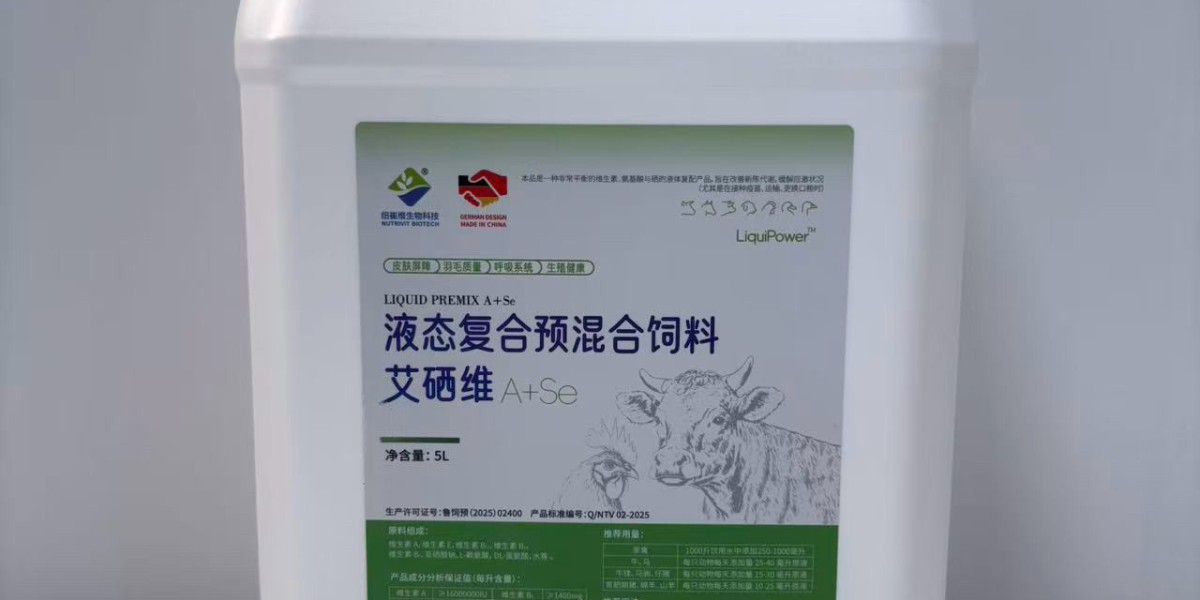

Unstable egg shell quality is one of the biggest profit drains for global commercial layer farms. Thin shells, cracked eggs and soft eggs directly raise waste ratio and reduce market sales premium. Many farm operators add solid vitamin powder into compound feed, yet absorption efficiency stays low under high temperature or dense cage breeding environments. Solid premixes often separate unevenly in feed, leading to inconsistent nutrient intake among single hens. Combined with hundreds of layer farm field trials across Southeast Asia and Europe, this article elaborates how drinking water delivered liquid vitamins fix shell defects fundamentally, with measurable egg quality indicators and real profit improvement data for reference.

A large scale layer farm in Indonesia with 120 thousand laying hens faced persistent egg breakage rate at 11% during hot summer months, relying on solid AD3E powder mixed in daily feed. After adding standard liquid vitamin AD3E through automatic drinking lines continuously for six weeks, egg shell breakage dropped to only 2.8%. Farm statistics recorded average shell thickness rose from 0.32mm to 0.38mm, and soft shell egg output almost disappeared. Another organic egg farm in Spain with 45 thousand layers adopted liquid E+Se premix as daily nutritional supplement, organic egg market premium increased 16% because of uniform solid shell texture. Farm managers reported manual egg sorting labor cut by 42% as cracked waste volume shrank sharply. These cross regional trial records prove liquid nutritional supplements deliver stable shell improvement effects that solid powder cannot match, especially for high density H type cage automated layer houses.
Egg shell formation inside hen oviduct requires continuous supply of vitamin D3, vitamin E and bioavailable calcium cofactors. Solid vitamin powder mixes unevenly with bulk feed, partial hens fail to intake enough trace nutrients for shell mineralization. Liquid vitamin formulas adopt German solubilization technology, all fat soluble vitamins dissolve fully in aqueous carrier, flowing evenly through nipple drinking systems to every single bird. Vitamin D3 inside liquid blends accelerates intestinal calcium absorption rate by 45% compared with solid counterparts. Vitamin E eliminates oxidative damage to oviduct epithelial cells, maintaining stable secretion of shell membrane matrix protein. Selenium element matched in liquid nutritional supplements reduces inflammatory reaction of reproductive tract, avoiding irregular thin shell caused by oviduct stress. The homogeneous liquid solution ensures each hen obtains identical daily nutrient dosage, eliminating uneven egg quality between cage rows.
World Poultry Nutrition Association released 2026 comparative trial reports tracking 28 commercial layer farms across 11 countries. Trial groups supplied liquid vitamins via drinking water recorded average egg shell thickness increase 0.05 to 0.07mm, shell breaking strength improved 21%, and waste egg ratio decreased 73% versus control groups using solid feed premixes. Livestock nutrition professor from German agricultural research institute stated that fat soluble vitamins degrade rapidly after feed extrusion and storage, while liquid vitamins delivered through drinking water avoid high temperature feed processing loss, retaining 95% original bioavailability. The report also pointed out farms using liquid nutritional supplements gain 12 to 19% extra annual egg revenue from reduced waste and higher grade egg sales. Regulatory inspection data shows liquid vitamin treated eggs meet premium organic egg standards more easily without excessive mineral residue.
Take a standard 100 thousand commercial layer farm as unified calculation benchmark. Monthly waste egg loss without liquid vitamins reaches 12.6 thousand US dollars. After continuous liquid vitamin supplementation, monthly waste loss falls to 3.1 thousand US dollars, creating 9.5 thousand US dollars monthly income increment. Monthly procurement cost of matched liquid nutritional supplements stays at 2.7 thousand US dollars. Comprehensive calculation shows net monthly profit growth hits 6.8 thousand US dollars, full extra supplement investment recovers within 12 weeks. Over 18 months of layer production cycle, total extra profit exceeds 110 thousand US dollars. Additional income from high grade egg market premium is not included in this basic calculation model, which further lifts overall farm profit margin. Small and medium family layer farms can gain proportional income growth with smaller liquid vitamin dosage schemes.
Closing
Nutrivit holds German liquid vitamin formulation technology and complete ISO 22000 certified production lines, customizes targeted liquid nutritional supplements for layer farms focusing on egg shell quality optimization. Hundreds of commercial layer farms across more than sixty global regions adopt its liquid AD3E and E+Se premix series, all products pass repeated laying performance simulation tests inside independent experimental base. Technical consultants provide free dosage planning and drinking line matching layout for egg producers, delivering one stop liquid nutrition solutions to reduce egg waste and stabilize egg market competitiveness.