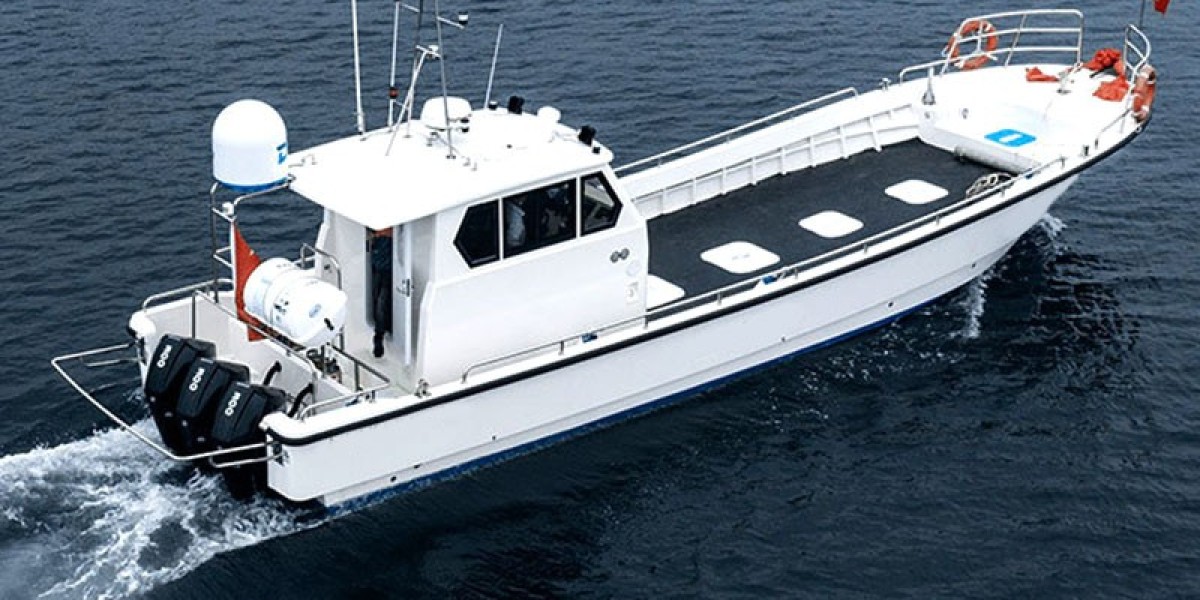

Unqualified low density RIB boats bring irreversible safety risks to coastal patrol teams and offshore rescue crews. Many marine procurement officers only compare unit price and ignore pontoon hypalon thickness rigid hull anti corrosion performance and maximum load rating, leading to hull rupture or insufficient buoyancy under rough sea conditions. Some regional maritime departments purchased cheap PVC inflatable boats without full safety certification, facing emergency rescue failure and regulatory accountability after storm incidents. Based decades of cooperation experience with maritime bureaus coast guard and rescue teams across Southeast Asia Middle East and Europe, this article sorts systematic RIB selection rules split patrol and rescue two core mission types, with real accident contrast data and full life cycle cost reference for global marine procurement managers.
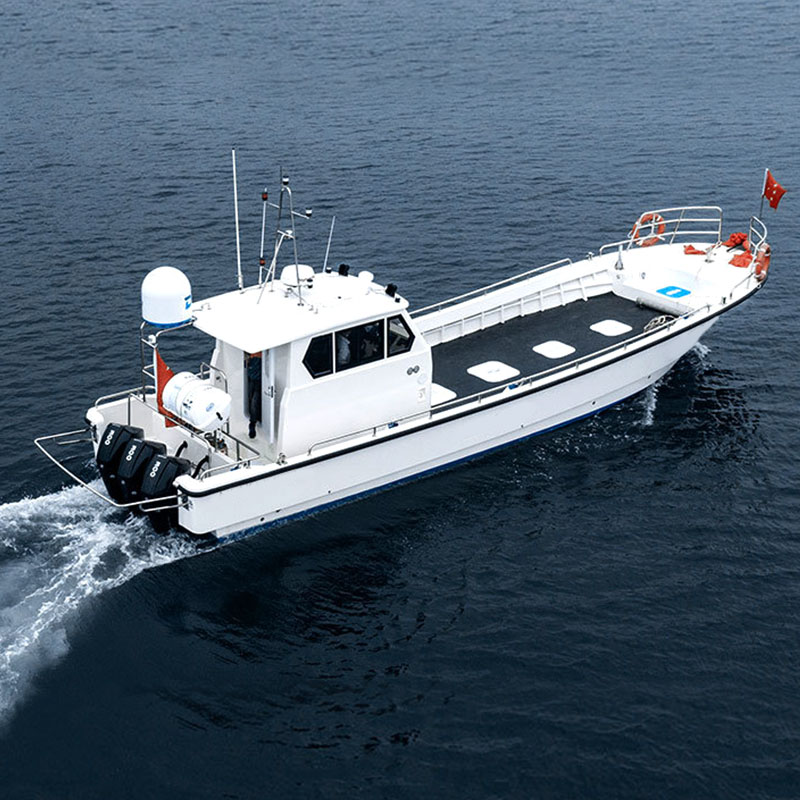
A coastal patrol agency in Indonesia imported low grade thin PVC RIB boats without thick aluminum rigid hull for daily offshore inspection. Within ten months frequent rock collision caused pontoon air leakage, one storm patrol mission lost buoyancy and required tug rescue, generating 26800 US dollars emergency disposal and equipment replacement loss. After switching hypalon pontoon aluminum hull professional patrol RIB matched genuine Mercury outboards, annual hull maintenance cost dropped 78 and patrol task stability improved significantly. Another coastal rescue team in UAE purchased small size light RIB with insufficient load capacity, unable to carry stretchers and three rescuers simultaneously during flood rescue, missing optimal rescue window. Two cross regional maritime official procurement cases prove patrol and rescue RIB must follow mission load sea condition dual matching standards instead of judging products only by price tag.
Four core technical indicators determine RIB adaptability to rough offshore patrol rescue waters. First inflatable pontoon material classification, hypalon rubber pontoon thickness above 1.2mm resists salt water corrosion ultraviolet aging and rock scratch, service life reaches 8 to 12 years; ordinary PVC pontoon only maintains stable performance within 2 to 3 years under coastal salt environment. Second rigid hull material, marine grade 5052 aluminum alloy hull eliminates rust risk compared with fiberglass, bears heavy rescue equipment long term load deformation resistance. Third power matching standard, patrol rescue RIB must be equipped with certified Mercury outboards above 115hp to realize fast response speed above 40 knots against cross waves. Fourth safety configuration standard, certified RIB reserves integrated stretcher fixed platform self draining deck multi point buoyancy partition to avoid capsizing under partial overload. All standard patrol rescue RIB completes full sea state simulation test before factory delivery.
International Maritime Safety Rescue Association released 2026 offshore craft durability comparison test report. Hypalon aluminum hull patrol RIB continuous salt water aging test after 3000 hours keeps intact pontoon and hull structure; thin PVC small RIB appears crack leakage after 420 hours seawater immersion test. Senior marine rescue engineer explained patrol rescue vessels need to operate under unexpected storm conditions, low specification inflatable craft cannot meet international maritime emergency equipment standards and will be rejected during official tender audit. The report counted annual maintenance cost gap: uncertified low grade RIB average annual repair expenditure reaches 19300 US dollars while standard patrol RIB only needs 3600 US dollars routine upkeep.
Take medium coastal maritime bureau with six RIB annual operation demand as unified calculation benchmark. Purchasing unqualified low grade inflatable craft annual replacement emergency rescue loss total reaches 25600 US dollars. After adopting standard hypalon aluminum patrol rescue RIB matched genuine Mercury outboards annual comprehensive loss shrinks to 4100 US dollars, stable task execution and equipment long service cycle bring annual comprehensive benefit increment 32700 US dollars. The qualified patrol RIB one time procurement premium fully recovers within 14 months through zero emergency failure and low maintenance expenditure. Inland river patrol teams can select small lightweight aluminum RIB to balance budget and basic safety demand.
Closing
Xsmarine holds full series patrol rescue RIB independent production capacity, operates as exclusive Tier 1 Mercury authorized distributor supplying complete genuine Mercury outboards matched for all craft models. Established in 1997 the brand owns standardized production workshop with full ISO9001 ISO14001 ISO45001 certification, supports full custom hull layout load configuration and power matching for global maritime official clients. Over two thousand marine product SKUs cover RIB rescue workboat and complete Mercury marine parts, delivering integrated boat and power supporting solutions to more than one hundred twenty countries worldwide.