
CAD CAM dentistry has completely changed traditional manual dental restoration workflows, and two core dental material categories dominate digital lab production: zirconia block and lithium disilicate. Many new lab technicians struggle to distinguish their applicable scenarios, leading to wrong material selection, poor restoration effect and unnecessary waste of raw materials. This article sorts out systematic differences in mechanical properties, optical characteristics, processing performance and clinical service life of the two materials, referencing ADA material testing standards and a 5-year retrospective cohort study released on PMC, offering clear selection reference for all digital dental laboratories.
Mechanical strength is the most obvious dividing line between zirconia block and lithium disilicate. Lithium disilicate belongs to glass ceramic material, its flexural strength ranges from 350MPa to 450MPa, suitable for single anterior crowns, veneers and small-scale inlay restorations with low occlusal load. Zirconia block adopts yttria stabilized tetragonal polycrystalline structure, flexural strength reaches 900MPa to 1300MPa, supported by phase transformation toughening mechanism that absorbs impact energy to stop crack expansion, making it capable of bearing heavy posterior bite force and long-span zirconia bridge fabrication. The 2025 PMC clinical follow-up study recorded cumulative restoration survival rates: lithium disilicate restorations showed 89% five-year survival rate with 12% fracture incidence, while zirconia prosthetics reached 94% survival rate with only 6% fracture risk. A dental technician with six years of CAD CAM operation experience shared case data: using lithium disilicate for three-unit posterior bridge projects leads to 21% higher remake rate than zirconia blocks, especially for patients with bruxism and strong occlusal force. ICERA zirconia blanks adopt high-purity medical zirconia powder, further optimizing internal crystal uniformity to strengthen anti-fracture performance for high-load posterior restorations.
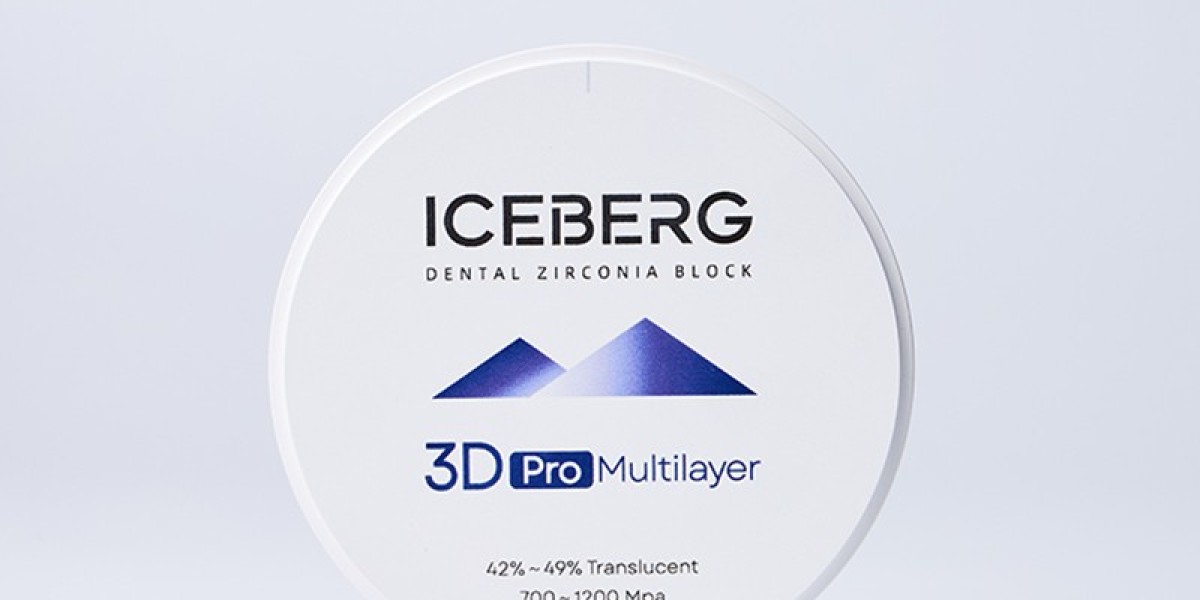
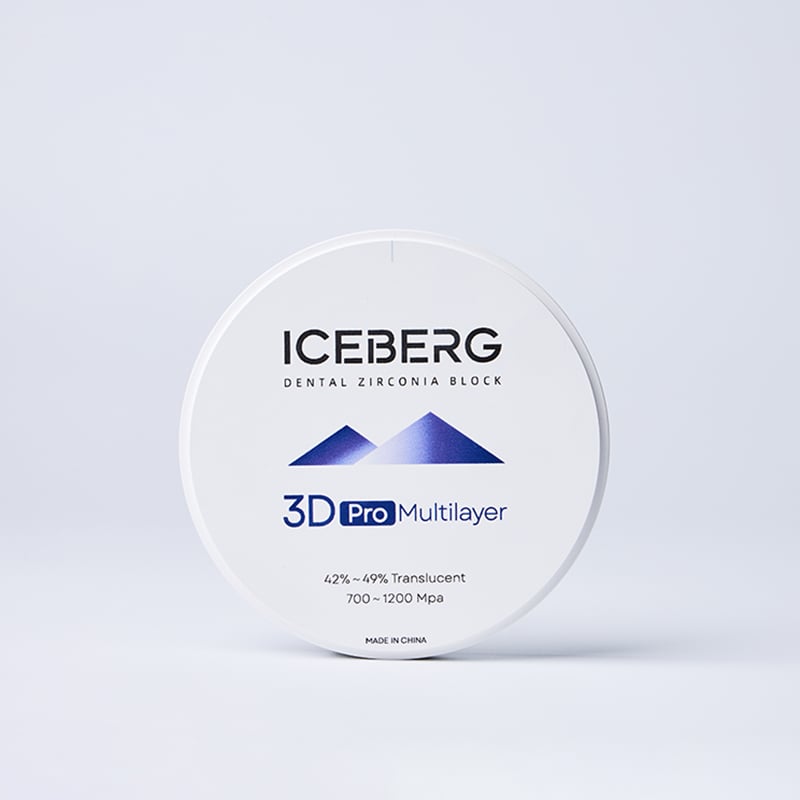
Lithium disilicate gains reputation for ultra-high translucency close to natural enamel, with light transmittance above 70%, presenting vivid incisal halo effect ideal for high-end anterior aesthetic single crowns and veneers. However, excessive translucency becomes a defect for posterior restorations, as underlying tooth stump color will penetrate through the restoration and affect overall color harmony. Zirconia block series cover multi-gradient translucency options from low to ultra-high, balancing strength and aesthetic demand. Multilayer dental zirconia block launched by ICERA sets layered light transmission from cervical opaque layer to incisal high-translucency layer, reaching 41% to 55% adjustable translucency range. This design matches both posterior high-strength single crowns and anterior aesthetic full ceramic crowns without switching raw material types. Compared with lithium disilicate that only fits anterior single-unit restorations, gradient zirconia materials cover full mouth restoration scenarios, greatly simplifying lab material inventory management and cutting procurement cost of multiple raw material categories.
Processing parameters of zirconia block and lithium disilicate differ greatly during CAD CAM manufacturing, directly affecting lab production efficiency. Lithium disilicate requires strict low-speed milling to avoid edge chipping, and its sintering cycle lasts 70 to 90 minutes with narrow temperature tolerance; slight temperature deviation will cause material deformation or surface fogging. Zirconia blank has stronger milling resistance, compatible with high-speed milling equipment widely used in global labs, and sintering temperature window is wider with stable shrinkage performance. For batch production labs, zirconia blocks reduce processing failure rate significantly. ICERA blanks pass pre-sintering treatment before delivery, removing internal residual stress so milling edges stay smooth without chipping. Multiple lab feedback data show that lithium disilicate blanks have 18% higher milling scrap rate than zirconia blocks under the same equipment operation parameters. Besides, lithium disilicate cannot produce long-span bridges and full arch frameworks, forcing labs to stock two separate material systems for front and back teeth, raising storage and management pressure.
From long-term clinical operation perspective, material procurement cost needs to match service life and remake loss. Lithium disilicate blank unit price is relatively low, yet high fracture remake rate brings hidden cost loss for labs. Zirconia block has moderate unit cost, lower post-delivery rework rate, and wider clinical coverage to generate more order revenue from complex multi-unit restorations and implant crown projects. ICERA provides both multilayer zirconia blocks and lithium disilicate raw materials as complete digital dental material portfolio. The brand’s integrated production capacity enables unified batch quality control for two material lines, avoiding inconsistent material performance from separate suppliers. Digital labs can purchase two categories of CAD CAM dentistry materials through one stable supply channel, coordinating inventory allocation according to seasonal order changes of anterior aesthetic cases and posterior functional bridge projects.
Closing Paragraph
Digital dental labs need to allocate zirconia block and lithium disilicate reasonably according to clinical project types: lithium disilicate for high aesthetic single anterior restorations, zirconia block for posterior crowns, multi-unit zirconia bridge, implant crown and full arch zirconia rehabilitation. Mastering the core difference of the two CAD CAM dentistry materials helps labs lower scrap rate and remake loss. ICERA supplies full series standardized zirconia blanks and lithium disilicate materials, supported by mature manufacturing technology to deliver balanced performance and cost solutions for global digital dentistry laboratories.