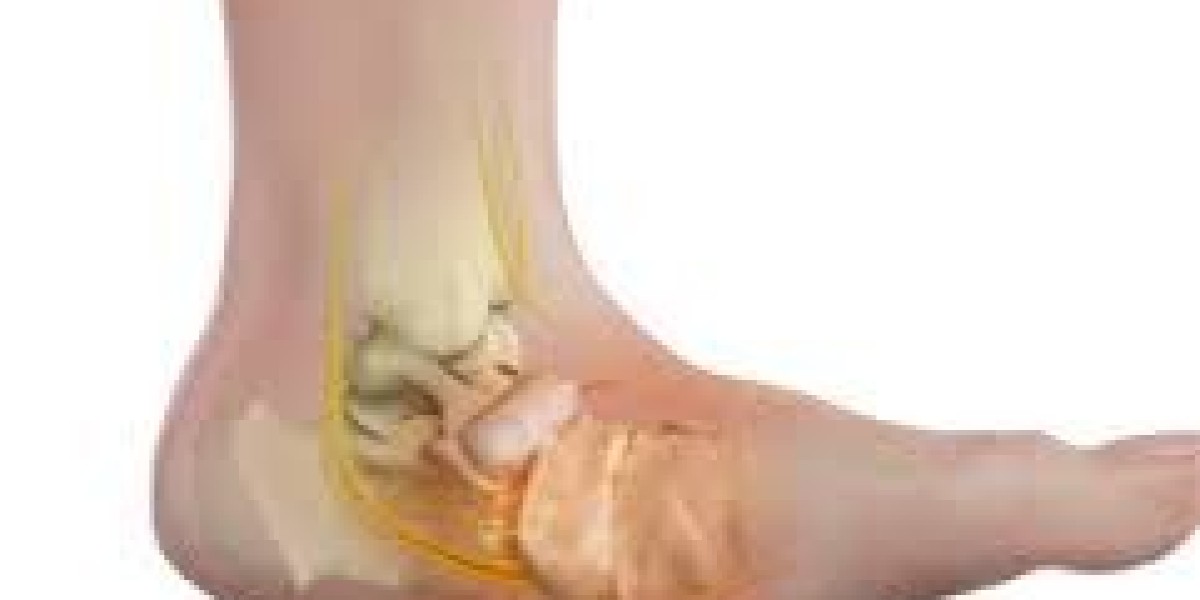

Peripheral Arterial Disease (PAD) is a common yet often overlooked cardiovascular condition that affects millions worldwide. Despite its prevalence, awareness about PAD remains limited, leading to delayed diagnosis and treatment. This blog post aims to shed light on this condition, its symptoms, and the importance of early intervention.
Peripheral Arterial Disease occurs when the arteries that supply blood to the limbs become narrowed or blocked due to plaque buildup, a condition known as atherosclerosis. This reduced blood flow can cause a range of symptoms, most notably leg pain while walking, known as claudication. Other signs include numbness, weakness, or coldness in the legs or feet. In severe cases, PAD can lead to critical limb ischemia, potentially resulting in amputation if left untreated.
The risk factors for PAD are similar to those for other cardiovascular diseases. Smoking, diabetes, high blood pressure, and high cholesterol are significant contributors. Age and family history also play a role, with individuals over 50 or those with a family history of vascular diseases being at higher risk.
Diagnosing PAD typically involves a physical examination and tests such as the ankle-brachial index (ABI), which compares the blood pressure in your ankle with that in your arm. If PAD is suspected, further imaging tests like ultrasound or angiography may be recommended to assess the extent of arterial blockage.
Treatment for PAD focuses on managing symptoms and preventing further progression of the disease. Lifestyle changes are crucial; quitting smoking, adopting a healthy diet, and engaging in regular exercise can significantly improve symptoms and overall vascular health. Medications to manage blood pressure, cholesterol, and diabetes may also be prescribed. In some cases, procedures like angioplasty or surgery might be necessary to restore adequate blood flow.
Awareness is key in combating PAD. Early detection can prevent complications and improve quality of life. If you experience any symptoms associated with PAD or have risk factors, consult a healthcare professional promptly. By understanding and addressing this condition, we can navigate the narrow path of PAD with informed steps towards better health.