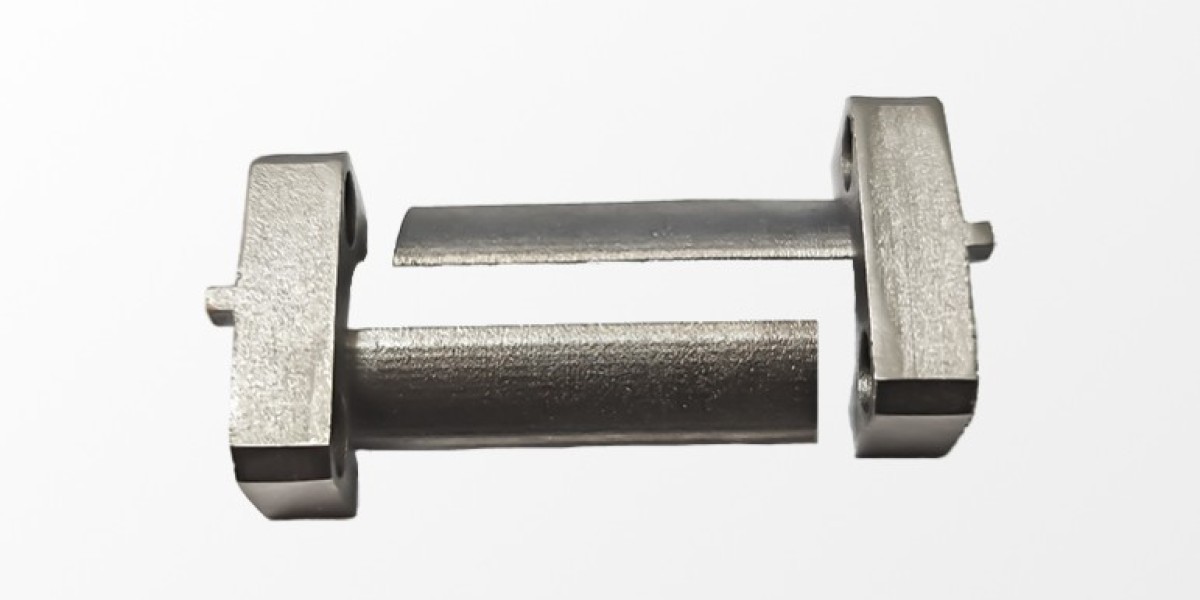

TC4 Titanium Is a Manufacturing Marvel
The beauty of TC4 titanium lies in its chemistry. It sits in that sweet spot where strength, weight, and biocompatibility intersect. In the additive world, we call it Ti64. It’s a forgiving yet robust alloy that welds beautifully under a laser, making it perfect for building intricate lattices. Think of it as the swiss-army knife of metals: versatile enough for a jet engine bracket yet pure enough to integrate safely with human bone in surgical implants.
Ti64 and the Magic of Titanium 3D Printing
Titanium 3D printing unlocks shapes that were once purely theoretical. With Ti64 powder, you can manufacture a monolithic heat exchanger with paper-thin internal fins. The rapid melting and solidification refine the grain structure, often resulting in mechanical properties that beat the cast equivalent. This process doesn't just shape the metal; it supercharges it, giving designers a canvas where material performance is a function of creative design rather than traditional limitations.
Why Metal Additive Manufacturing Loves Ti64
Metal additive manufacturing processes devour Ti64 powder because it’s consistent. The specific heat and reflectivity of TC4 titanium are well-mapped, allowing engineers to dial in settings for near-perfect density. This alloy minimizes the risk of hot-cracking during printing. When you’re producing flight-critical hardware, that predictability is essential. You’re not gambling with the laser settings; you’re repeating a robust recipe for metallic perfection every single build.
Integrating Ti64 into Medical Solutions
The human body is a harsh chemical environment, but Ti64 thrives in it. Using titanium 3D printing, medical engineers create porous spinal cages that bone can grow into, anchoring the implant permanently. It’s a sublime blend of art and science. The printed surface naturally mimics the texture of cancellous bone, encouraging osseointegration. This turns a sterile mechanical wedge into a living, breathing part of the patient’s own skeletal recovery journey.
Post-Processing TC4 Titanium for Excellence
The printer’s job ends with the build plate, but our work with TC4 titanium continues. Stress relief and hot isostatic pressing heal internal voids, sharpening the fatigue resistance of Ti64. It’s like sending the part to a spa that tightens its molecular structure. Afterward, precision machining knocks down critical surfaces to exact tolerances, ensuring the final component isn’t just a printed shape but a certified industrial asset ready for the harshest service.
Conclusion
TC4 titanium, or Ti64, remains the reigning champion for a reason. Its intimate relationship with metal additive manufacturing opens doors to weight reduction and complexity that are simply unreachable by standard methods. When application demands lightness and unyielding strength, this material ecosystem offers a clear, proven path to production success.