
Introduction
Steel fabrication and metal processing enterprises often face high production costs in coil splitting processing. Traditional manual and semi automatic slitting methods lead to irregular strip width, edge burrs and excessive leftover materials, resulting in low raw material utilization rates. In addition, repeated manual calibration and finished product sorting consume a lot of labor resources, restricting the batch production capacity of metal coils. Many factory operators struggle to balance processing precision, production efficiency and comprehensive operating costs. This article systematically introduces the structural advantages and working logic of slitting line, analyzes its core value in controlling metal coil processing costs, sorts out matched industrial application scenarios, and provides practical operation optimization suggestions to help steel plants achieve high efficiency and low consumption coil processing.
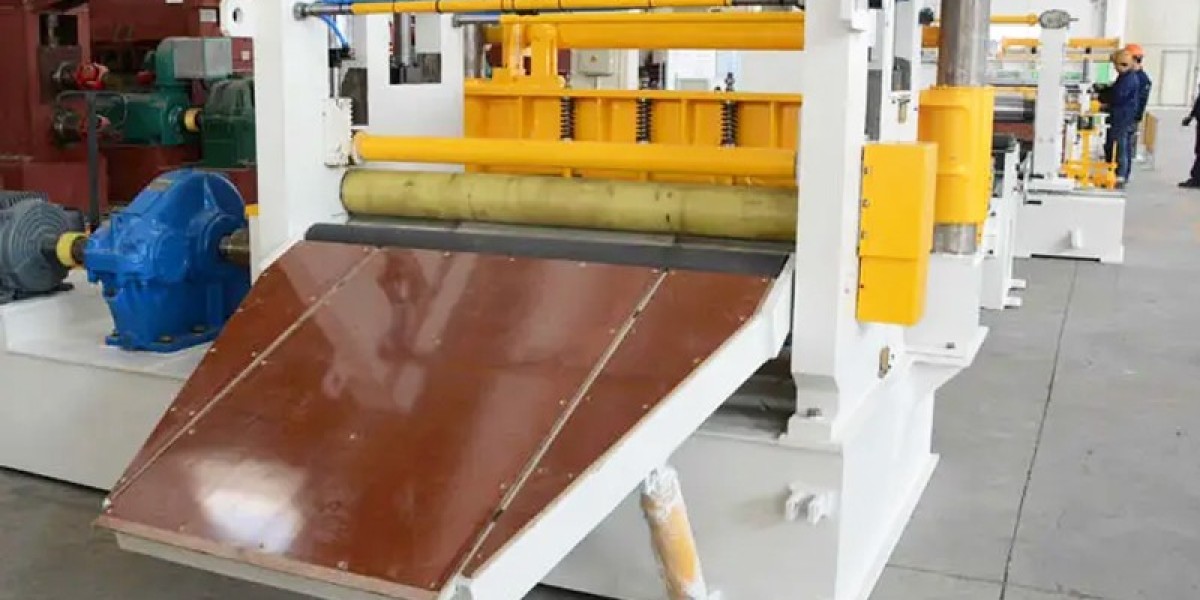
Slitting line is a full automatic integrated equipment specially used for longitudinal splitting of metal coils, covering uncoiling, leveling, slitting, edge trimming and rewinding all in one process. The whole production process adopts servo numerical control system for unified linkage control, which can accurately set the strip width according to production requirements, realizing micron level width control accuracy for split metal strips. The high precision alloy slitting blade maintains sharp cutting performance for a long time, effectively eliminating burrs and edge warping on the section of steel strips, avoiding defective products caused by uneven cutting. Different from semi automatic equipment that requires frequent manual measurement and adjustment, the slitting line completes parameter setting at one time, realizing continuous and stable splitting of large tonnage metal coils. The built in automatic deviation correction module automatically adjusts the coil feeding track to prevent strip deviation during high speed operation, ensuring consistent specifications of each batch of finished strips. This integrated automatic working mode greatly reduces manual intervention links and eliminates size errors caused by human operation, laying a foundation for standardized batch processing of metal coils.
Raw material waste is the largest hidden cost in traditional metal coil slitting processing. Manual calibration and low precision cutting equipment often produce unqualified narrow strips and leftover coil materials, resulting in a raw material utilization rate of less than ninety percent for ordinary steel processing plants. The optimized tool setting system of slitting line can carry out scientific layout according to the coil width and customer order specifications, maximizing the utilization of the whole coil of metal materials and increasing the material utilization rate to more than ninety eight percent. The professional edge trimming device uniformly cuts off irregular rough edges on both sides of the coil, and the trimmed leftover materials can be recycled and reused through standardized collection, avoiding arbitrary waste of raw materials. For stainless steel coils, carbon steel coils and aluminum alloy coils with high raw material unit price, the precise splitting design of slitting line can save a large amount of material loss for factories every year. Long term batch processing can form a stable cost optimization advantage, effectively solving the profit compression problem caused by high raw material prices in the metal processing industry.
Slitting line has extremely wide material adaptability, covering almost all common industrial metal coil processing types. Carbon steel slitting models are mainly used for processing ordinary carbon steel coils, galvanized steel coils and pickled steel coils, which are widely applied in construction steel structure, pipeline manufacturing and hardware processing industries. Stainless steel special slitting line is equipped with anti scratch pressing structure, which can complete high precision splitting of 201, 304 and 316 stainless steel coils, meeting the surface quality requirements of decorative steel strips and precision equipment accessories. Aluminum alloy and copper coil special equipment adopts low pressure cutting configuration to avoid metal surface deformation and scratch, suitable for new energy heat dissipation materials and electronic precision metal strip processing. In addition, the adjustable cutting speed and tool spacing structure of slitting line can freely switch between thin strip precision splitting and thick plate heavy duty splitting, adapting to diversified order processing demands of medium and large steel processing factories. The flexible equipment configuration enables the production line to cope with multi specification and multi material mixed batch production, greatly expanding the factory’s order receiving range.
Standardized daily operation and maintenance of slitting line can stabilize processing precision and extend equipment service life, further reducing long term operating costs. Before daily startup, operators need to check the tightness of slitting blades and the flexibility of deviation correction modules, replace worn blades in time to prevent cutting burrs and size deviation. During continuous production, reasonably match the operating speed according to the thickness and hardness of metal coils, avoid long time overload operation leading to equipment vibration and precision attenuation. After daily shutdown, clean the iron filings and sundries inside the equipment, lubricate the transmission bearings and guide rails to ensure smooth transmission of subsequent production. Regularly calibrate the servo positioning system every month to eliminate cumulative positioning errors generated by long term operation and maintain consistent splitting accuracy. For factories undertaking long term fixed specification orders, fixed parameter storage function can be used to save mature processing parameters, realizing one click startup production and shortening order switching adjustment time. These refined operation management methods can effectively reduce equipment failure rate and rework rate, and continuously improve the comprehensive production efficiency of metal coil processing.
Conclusion
Slitting line relies on full automatic integrated processing technology to solve the pain points of low precision, high waste and high labor cost in traditional metal coil splitting processing. It has outstanding cost saving advantages in raw material utilization and labor input, and can adapt to the processing demands of various metal materials and multi industry scenarios. Standardized daily operation and parameter optimization can maximize the equipment’s production value. Steel processing plant managers can configure targeted slitting line schemes according to mainstream processing materials and order specifications, realizing efficient, low consumption and standardized batch production of metal coils.