
Introduction
Construction contractors often face poor compaction density and uneven pavement after road rolling, which leads to early crack and settlement complaints from project owners. Many project managers select road roller only according to budget without matching machine weight, vibration force and construction materials. Unsuitable roller model extends working hours, raises fuel consumption and generates lots of rework on finished roads. This article sorts all mainstream road roller types, compares their compaction advantages on asphalt, gravel and clay base, lists key procurement judgment points and standardized maintenance flow, delivering practical reference for construction fleet equipment updating.
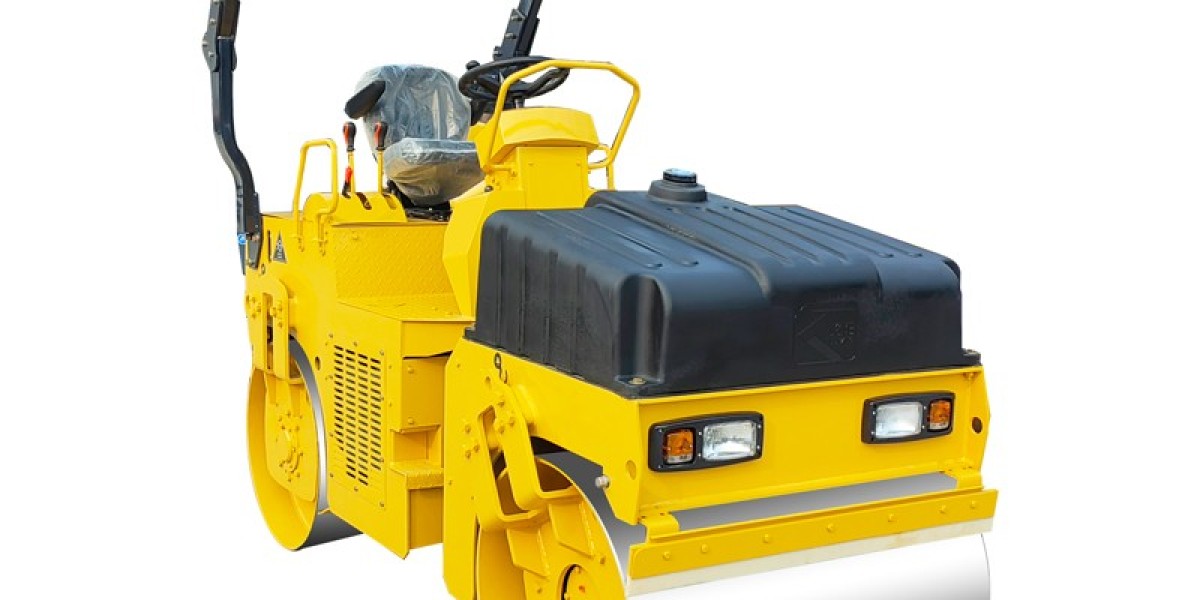
Road Roller Core Compaction Performance Parameters Road roller relies on self weight and adjustable vibration force to squeeze loose materials into dense stable layers, and different models carry distinct performance configurations to fit various construction demands. Light mini road roller below 3 tons generates small exciting force, suitable for narrow sidewalk, driveway and small asphalt repair with limited working space. Medium tandem road roller from 3 to 6 tons owns balanced vibration frequency, realizing one pass flat compaction on municipal small road asphalt surface without obvious rolling trace. Heavy drum roller over 8 tons provides deep penetration compaction force, perfect for highway gravel base and large area soil foundation treatment. Standard road roller equips hydrostatic drive system to realize stepless speed regulation, avoiding asphalt surface scratch caused by sudden acceleration or brake. Adjustable vibration switch supports static rolling for finishing surface and high frequency vibration for base compaction, one machine completes two core construction steps without extra equipment matching. Stable hydraulic vibration structure reduces machine failure rate during long shift work, cutting unexpected construction pause loss for engineering teams.
Road Roller Matching Construction Material Scenarios Different road base and surface materials require targeted road roller model to reach standard compaction density index. Hot mix asphalt pavement needs smooth steel tandem roller, rubber tire roller can be matched later to eliminate tiny rolling crack on asphalt surface. Gravel and sand stone road base adapt heavy single drum roller, large contact area transfers vibration force to deep soil layer to prevent later road settlement. Clay cohesive soil requires low frequency heavy roller, high vibration speed will make clay material spring back and fail to reach compact standard. Narrow space projects such as community road edge, trench side and parking lot corner need walk behind road roller or mini double drum roller, compact body freely turns in limited space where large roller cannot access. Municipal emergency repair works choose compact mini road roller with fast transfer frame, convenient truck loading reduces site transfer time between multiple scattered repair points. Construction teams with mixed road projects can configure multi weight roller combination, covering large highway and small community road construction at the same time to expand project undertaking capacity.
Road Roller Key Purchasing Judgment Standards Most equipment buyers only compare road roller selling price while ignoring core configuration that decides long term operation cost. First inspection item is hydraulic vibration system, integrated closed loop hydraulic module keeps stable vibration force under long hour load, low cost separate hydraulic parts easily leak oil after one month continuous use. Second standard is engine brand, mature diesel engine with low fuel consumption cuts daily fuel expenditure and extends whole machine service life. Third index is drum anti wear treatment, thickened wear resistant steel drum avoids pit deformation after frequent asphalt contact, reducing spare part replacement frequency. Fourth factor is operation comfort, adjustable seat and simplified control lever lower operator fatigue during all day shift and improve rolling uniformity. Complete after sales spare parts supply channel is also vital, fast delivery of hydraulic seals and vibration bearings shortens machine downtime once faults happen. Professional construction machinery suppliers provide on site compaction test with customer own materials before delivery, verifying actual rolling effect to avoid model mismatch loss after purchase.
Road Roller Daily Maintenance To Extend Service Life Standardized daily maintenance cuts road roller breakdown rate by over sixty percent and stabilizes consistent compaction effect for long term construction. After each day construction, clean asphalt residue and soil mud stuck on drum surface, solidified foreign matter will form uneven rolling trace on next day pavement. Check hydraulic oil liquid level and sealing pipeline every shift, timely supplement hydraulic oil and tighten loose joints to prevent vibration power decline caused by oil leakage. Weekly lubricate drum bearing and articulated steering shaft with special grease, dry friction accelerates metal part abrasion and raises vibration noise. Replace air filter every two hundred working hours, blocked filter leads to insufficient engine power and higher fuel waste. Monthly calibrate vibration amplitude switch to guarantee stable exciting force output, avoiding uneven compaction density along the whole road section. Store road roller under shelter during long idle period, cover drum and engine with waterproof cloth to prevent rain rust and component aging, lowering later repair cost when restarting construction.
Conclusion
Road roller covers full range of road compaction demands from small municipal repair to large highway base construction, matched vibration force and weight directly decide pavement long term service life. Mastering material matching rules and core purchasing indicators helps construction teams select cost effective roller models, simple daily maintenance controls long term equipment operation expense. Construction project managers can obtain customized road roller configuration plans through professional machinery suppliers, lifting road construction quality and cutting overall project input.