
Your liver is one of the hardest-working organs in the body. It filters toxins, supports digestion, regulates metabolism, stores nutrients, and helps fight infections. As you age, however, your liver becomes more vulnerable to conditions such as fatty liver disease, hepatitis, liver fibrosis, and cirrhosis. After age 40, adopting healthy lifestyle habits becomes even more important for protecting your liver and overall well-being. Consulting a Liver Specialist in Jaipur can help detect liver problems early and reduce the risk of serious complications.
Why Does Liver Health Matter More After 40?
As we grow older, factors such as slower metabolism, weight gain, diabetes, high cholesterol, and long-term medication use can increase the risk of liver disease. Many liver conditions develop gradually and may not cause noticeable symptoms in the early stages. Regular health check-ups and healthy habits play a key role in maintaining normal liver function.
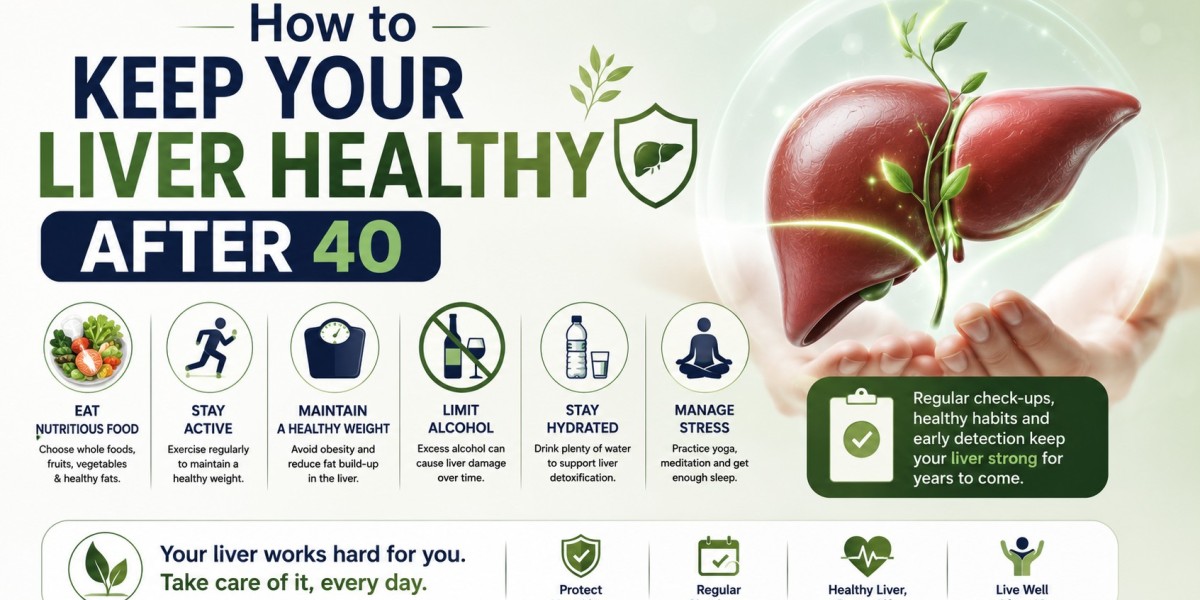
Maintain a Healthy Weight
Being overweight is one of the leading causes of non-alcoholic fatty liver disease (NAFLD). Excess body fat increases fat accumulation in the liver, which may lead to inflammation and permanent liver damage over time.
Aim for a healthy body weight through balanced nutrition and regular physical activity. Even modest weight loss can significantly improve liver health.
Follow a Liver-Friendly Diet
A nutritious diet supports liver function and helps reduce inflammation. Include plenty of:
- Fresh fruits and vegetables
- Whole grains
- Lean proteins such as fish and pulses
- Healthy fats from nuts and seeds
- Fiber-rich foods
At the same time, reduce your intake of fried foods, processed snacks, sugary beverages, and excessive salt, as these can contribute to fatty liver and metabolic disorders.
Exercise Regularly
Regular exercise improves metabolism, helps maintain a healthy weight, and reduces fat accumulation in the liver. Adults should aim for at least 150 minutes of moderate physical activity each week. Walking, cycling, swimming, or yoga are excellent choices for improving overall liver health.
Limit Alcohol Consumption
Excessive alcohol can damage liver cells and increase the risk of alcoholic liver disease, cirrhosis, and liver failure. If you consume alcohol, do so in moderation or avoid it altogether, especially if you have existing liver problems.
Be Careful with Medications
Some prescription medicines, painkillers, and herbal supplements may affect liver function if taken incorrectly or for long periods. Always follow your doctor's advice and avoid self-medication.
Stay Hydrated
Drinking enough water supports healthy metabolism and helps your body eliminate waste products efficiently. Proper hydration also contributes to better digestion and overall organ function.
Manage Diabetes and Cholesterol
High blood sugar and elevated cholesterol levels significantly increase the risk of fatty liver disease. Regular monitoring, healthy eating, exercise, and proper medical treatment can help protect your liver from long-term damage.
Get Regular Health Check-Ups
Many liver diseases remain silent until they become advanced. Routine medical check-ups, liver function tests, and abdominal ultrasounds can identify problems early, allowing treatment before complications develop.
An experienced Best Gastroenterologist in Jaipur may recommend additional investigations if abnormal liver function or digestive symptoms are detected.
Don't Ignore Warning Signs
Seek medical attention if you notice symptoms such as:
- Persistent fatigue
- Yellowing of the eyes or skin
- Pain in the upper right abdomen
- Unexplained weight loss
- Loss of appetite
- Swelling in the abdomen or legs
- Dark-colored urine
Early diagnosis often leads to better treatment outcomes and helps prevent irreversible liver damage.
Protect Yourself from Liver Infections
Vaccination against hepatitis A and hepatitis B, practicing good hygiene, and avoiding contaminated food or water can reduce the risk of viral hepatitis. Safe medical practices and regular screenings are also important for protecting liver health.
Conclusion
Keeping your liver healthy after 40 requires consistent lifestyle choices and regular medical care. Eating a balanced diet, maintaining a healthy weight, exercising regularly, limiting alcohol intake, and managing diabetes or high cholesterol can significantly reduce the risk of liver disease. Since many liver conditions develop without obvious symptoms, regular screening is essential for early detection. If you have persistent digestive complaints or concerns about your liver health, consulting an experienced Liver Specialist in Jaipur is the best step toward timely diagnosis and effective treatment. For comprehensive digestive and liver care, the expertise of the Best Gastroenterologist in Jaipur and a trusted Gastro and Liver Specialist in Jaipur can help you maintain long-term health and prevent serious liver complications.