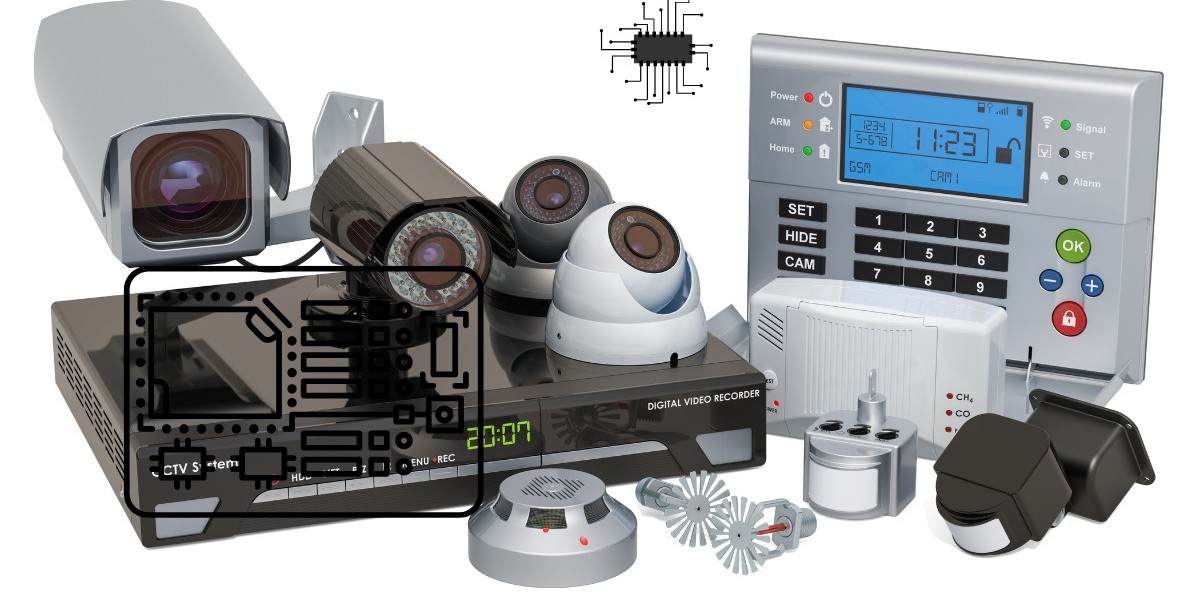

Smart technology is becoming a part of everyday life. From wearable fitness trackers and home security systems to industrial equipment and smart farming solutions, modern devices rely on sensors to collect information from the physical world. Without sensors, connected devices would have no way to understand their surroundings or respond to changing conditions.
Sensors are often called the eyes and ears of smart technology because they detect changes in the environment and convert those changes into digital information. This data allows devices to automate tasks, improve efficiency, and support better decision making.
The technology behind these intelligent systems is powered by the Internet of Things (IoT), which enables connected devices to collect, share, and process data across networks.
What Is a Sensor?
A sensor is a device that detects physical conditions and converts them into electrical or digital signals. These conditions may include temperature, pressure, humidity, motion, light, sound, vibration, or proximity.
Once information is collected, it can be transmitted to software platforms, cloud services, or local systems where it is analyzed and used to trigger actions.
For example, a motion sensor can switch on outdoor lighting when someone approaches a building. A temperature sensor can activate cooling systems when equipment becomes too hot. A moisture sensor can tell farmers exactly when crops need irrigation.
Every smart system begins with accurate data collection.
Sensors Connect the Physical and Digital Worlds
Smart technology depends on understanding what is happening in the real world.
A connected device cannot make intelligent decisions unless it first receives reliable information. Sensors provide that information by continuously monitoring the surrounding environment.
Instead of requiring people to inspect equipment manually or collect measurements by hand, sensors gather information automatically throughout the day.
This continuous flow of information allows organizations to react more quickly, reduce manual work, and improve operational efficiency.
Different Devices Use Different Sensors
Not every connected device requires the same type of sensor.
A smartwatch measures heart rate and movement.
A weather station monitors wind speed, rainfall, humidity, and temperature.
Industrial equipment measures vibration, pressure, and machine performance.
Modern vehicles monitor tire pressure, fuel consumption, engine performance, and driver safety systems.
Each sensor serves a specific purpose based on the environment where the device operates.
As technology evolves, manufacturers continue combining multiple sensors into single devices to provide richer and more accurate information.
Sensors Make Automation Possible
Automation depends on knowing when something changes.
Without sensors, machines would continue operating without understanding their environment.
Factories use sensors to monitor production equipment and detect abnormal operating conditions.
Buildings automatically adjust heating and cooling systems according to occupancy and indoor temperatures.
Retail stores monitor inventory levels using connected sensors.
Agricultural systems activate irrigation only when soil moisture falls below a specific level.
These automated responses reduce waste while improving efficiency and consistency.
Better Data Leads to Better Decisions
Organizations increasingly depend on data to improve performance.
Sensors provide a constant stream of information that helps businesses identify trends, detect problems early, and improve long term planning.
Instead of waiting until equipment fails, companies can identify warning signs before breakdowns occur.
Healthcare providers can monitor patients remotely.
Transportation companies can optimize delivery routes based on vehicle performance and traffic conditions.
The quality of business decisions often depends on the quality of the information collected.
Sensors Support Nearly Every Industry
The use of sensors continues expanding across many industries.
Healthcare organizations monitor patients using wearable devices.
Manufacturers track equipment performance throughout production facilities.
Farmers improve crop yields by monitoring soil conditions.
Cities measure traffic flow and environmental conditions.
Energy companies monitor pipelines, power stations, and electrical grids.
Although the applications differ, the objective remains the same. Collect reliable information that improves efficiency, safety, and decision-making.
Readers who want to explore the different technologies behind these devices can learn more about the types of IoT sensors used across consumer, commercial, and industrial environments.
Challenges of Sensor-Based Systems
While sensors provide valuable information, they also introduce challenges.
Large sensor networks generate enormous amounts of data that organizations must process and store efficiently.
Sensor accuracy can decline if devices are not properly maintained or calibrated.
Power consumption is another important consideration, particularly for remote devices that rely on batteries.
Organizations must also secure sensor networks because compromised devices can expose sensitive operational information.
Successful deployments require careful planning, regular maintenance, and strong cybersecurity practices.
The Future of Sensor Technology
Sensor technology continues to advance rapidly.
New sensors are becoming smaller, more accurate, and more energy efficient.
Artificial intelligence is helping systems analyze sensor data faster and identify patterns that humans might overlook.
Future smart cities, autonomous vehicles, intelligent factories, and connected healthcare systems will all depend on increasingly advanced sensors.
As communication technologies improve, billions of connected devices will exchange information almost instantly, creating smarter and more responsive environments.
Final Thoughts
Sensors are one of the most important building blocks of smart technology. They collect the information that allows connected devices to understand their surroundings, automate routine tasks, and support better decisions.
As businesses and consumers continue adopting connected systems, the importance of accurate, reliable, and secure sensors will continue to grow. Understanding their role helps explain how modern technology transforms raw information into practical solutions that improve everyday life and business operations.