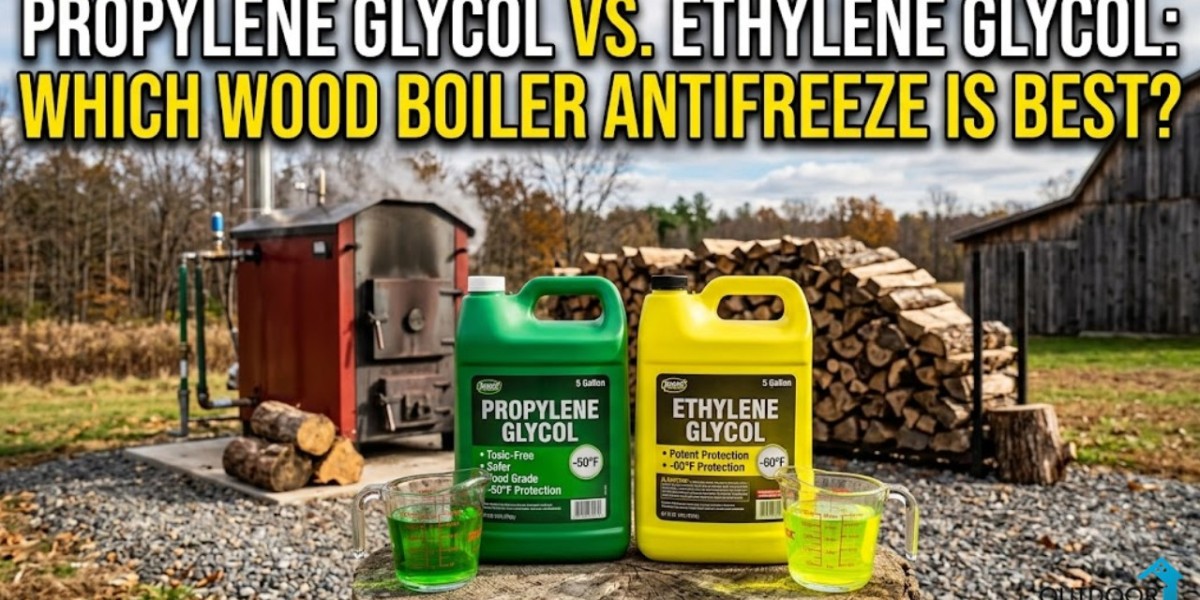

When comparing wood boiler antifreeze, propylene glycol is the better choice for most residential wood boiler systems because it is less toxic and is commonly recommended for closed-loop heating systems. Ethylene glycol offers excellent freeze protection, but its higher toxicity makes it less suitable for applications where safety is a priority.
Choosing the right antifreeze for a wood boiler is one of the most important decisions we can make to protect our heating system during freezing weather. While both propylene glycol and ethylene glycol prevent freezing and help transfer heat, they are designed for different situations. Understanding their differences helps us avoid costly repairs, extend the life of our boiler, and operate our heating system more safely.
In this guide, we will compare propylene glycol and ethylene glycol, explain how they work, discuss their advantages and disadvantages, and answer some of the most common questions homeowners have about wood boiler antifreeze.
Why Wood Boiler Antifreeze Matters
A wood boiler often circulates water through underground piping and heating equipment. During cold weather, any water left unprotected can freeze. Frozen water expands, which may crack pipes, damage heat exchangers, or even ruin expensive boiler components.
A quality antifreeze solution helps by:
Preventing freezing during low temperatures
Protecting metal components from corrosion
Reducing scale buildup
Extending the lifespan of the heating system
Maintaining reliable winter operation
Not every wood boiler requires antifreeze, but many outdoor and closed-loop systems benefit greatly from using the correct glycol-based solution.
What Is Propylene Glycol?
Propylene glycol is a type of antifreeze commonly used in hydronic heating systems, radiant floor heating, geothermal systems, and many outdoor wood boilers.
Its biggest advantage is its low toxicity. Although it is not intended for consumption, accidental exposure is much less hazardous than exposure to ethylene glycol. Because of this, many boiler manufacturers recommend inhibited propylene glycol specifically designed for heating systems.
Advantages of Propylene Glycol
Low toxicity
Widely recommended for residential heating systems
Provides freeze and burst protection
Contains corrosion inhibitors when formulated for hydronic systems
Easier to handle safely
Disadvantages
Slightly lower heat transfer efficiency than ethylene glycol
Higher viscosity, especially in colder temperatures
Usually costs more
What Is Ethylene Glycol?
Ethylene glycol is another popular antifreeze that has been used for decades in automotive cooling systems and industrial applications.
It provides excellent freeze protection and transfers heat very efficiently. However, it is highly toxic to humans and animals. Even a small amount can be dangerous if swallowed, making careful handling essential.
Advantages of Ethylene Glycol
Excellent heat transfer performance
Lower viscosity than propylene glycol
Often less expensive
Strong freeze protection
Disadvantages
Highly toxic
Requires careful storage and disposal
May not be recommended by many residential wood boiler manufacturers
Greater environmental concerns if leaks occur
Propylene Glycol vs. Ethylene Glycol Comparison