
Leave policy in India isn't just an internal HR decision; a significant portion of it is dictated by law, and the specifics vary depending on your state, industry, and company size. Many businesses design their leave policy around what feels reasonable or competitive, without fully checking whether it actually meets statutory minimums. That gap often goes unnoticed until an audit, an employee complaint, or a labor inspection brings it to the surface.
This guide breaks down what statutory leave compliance actually involves in India, where businesses commonly get it wrong, and how to build a policy that meets legal requirements without becoming impossible to manage. Getting the legal baseline right is the foundation everything else builds on, and it's far easier to maintain consistently with proper leave management software than through manual tracking, since compliance rules aren't static and a system can be updated centrally rather than requiring every manager to stay current individually.
Why Statutory Leave Compliance Is More Complicated Than It Seems
Unlike a single national leave law, India's leave requirements come from a patchwork of central and state legislation, which means the exact rules a business must follow depend heavily on where it operates and what kind of establishment it is.
1. Leave Law in India Isn't Centralized
The primary legislation governing leave, the Shops and Establishments Act, is enacted at the state level, which means requirements can differ meaningfully between, say, Maharashtra and Karnataka, even for businesses of similar size and industry. A policy copied from a company operating in a different state may not actually meet local requirements.
2. Different Laws Apply to Different Categories of Leave
Earned or privilege leave, sick leave, casual leave, maternity leave, and paternity leave are often governed by separate pieces of legislation, each with its own eligibility criteria and entitlement calculations. Treating leave as a single, uniform policy category tends to miss requirements that apply specifically to one leave type.
3. Requirements Change With Company Size and Sector
Some statutory obligations only apply above a certain employee threshold, or specifically to certain industries like factories, IT/ITES, or organizations covered under specific labor codes. A policy that's compliant for a 20-person company may fall short once headcount crosses a relevant threshold.
Key Categories of Statutory Leave in India
While exact entitlements vary by state, most statutory leave obligations in India fall into a few broad categories businesses need to account for.
1. Earned or Privilege Leave
Most Shops and Establishments Acts require a minimum number of earned leave days annually, typically accrued based on days worked, with specific rules around carry-forward limits and encashment eligibility. This is usually the leave type with the most state-to-state variation.
2. Casual and Sick Leave
Separate from earned leave, most states mandate a minimum allocation of casual and sick leave, though the exact number of days and whether unused days carry forward differs by jurisdiction. These are typically non-encashable and meant for short-term, unplanned absence.
3. Maternity Leave
Governed at the central level by the Maternity Benefit Act, this mandates 26 weeks of paid maternity leave for eligible employees for the first two children, with provisions also covering adoption and commissioning mothers. This is one of the more strictly enforced areas of leave compliance, with significant penalties for non-compliance.
4. Leave
Unlike maternity leave, paternity leave isn't uniformly mandated by central legislation for private sector employees, though many states and companies have adopted their own policies. Businesses should check whether any state-specific requirements apply, and consider that competitive paternity leave policies increasingly matter for talent retention even where not legally required.
5. National and Festival Holidays
Beyond personal leave, most states mandate a minimum number of paid holidays for national and religious festivals, with the specific list often varying by state and requiring periodic confirmation against local government notifications.
Where Businesses Commonly Fall Out of Compliance
A few patterns show up repeatedly across companies that discover compliance gaps, usually the hard way.
1. Applying a Single Policy Across Multiple States
Companies operating in more than one state sometimes apply a uniform leave policy company-wide for simplicity, without accounting for the fact that different states may have different minimum requirements. What's compliant in one location may fall short in another.
2. Not Updating Policy After Crossing Employee Thresholds
Some statutory obligations only kick in once a company crosses a specific employee count. Businesses that grow quickly sometimes miss the point at which new requirements apply, since there's rarely an automatic trigger to review policy against current headcount.
3. Treating Maternity Benefit Compliance as Optional or Negotiable
Because maternity leave is centrally legislated and closely tied to employee welfare, non-compliance here carries particularly serious legal risk. Yet it's an area where informal negotiation, offering less than the statutory minimum in exchange for other benefits, sometimes happens, usually without either party fully understanding the legal exposure involved.
4. Miscalculating Encashment and Carry-Forward Against Statutory Minimums
Company policy can offer more generous terms than statutory minimums, but not less. Some businesses inadvertently set carry-forward caps or encashment terms that fall below what's legally required, often because the policy was designed around convenience rather than a full legal review.
Building a Leave Policy That Meets Statutory Requirements
Compliance doesn't need to come at the cost of a workable policy. Here's a practical approach to getting the foundation right.
1. Start With a State-by-State Legal Review
If your business operates in more than one state, the leave policy needs to reflect the most stringent applicable requirement in each location, rather than a single company-wide standard that may not meet every jurisdiction's minimums.
2. Separate Statutory Minimums From Company Policy Enhancements
It helps to clearly document which parts of your policy are legally mandated and which are company-chosen enhancements beyond the minimum. This makes it easier to update the statutory portion when law changes, without needing to redesign the entire policy.
3. Review Policy Whenever Headcount or Operating States Change
Set a trigger, not just a calendar reminder, tied to company growth milestones: entering a new state, crossing a relevant employee threshold, or expanding into a regulated industry. Each of these is a natural point to revisit compliance specifically.
4. Keep Documentation Audit-Ready
Maintain clear records of leave accrual, approvals, and payouts that can be produced quickly if a labor inspection or employee dispute requires it. Scattered records across spreadsheets and email threads make this significantly harder than it needs to be.
How Leave Management Software Supports Compliance
Manually tracking statutory compliance across multiple states, leave types, and changing regulations is a genuinely difficult ongoing task, and it's exactly the kind of problem software is well suited to solve.
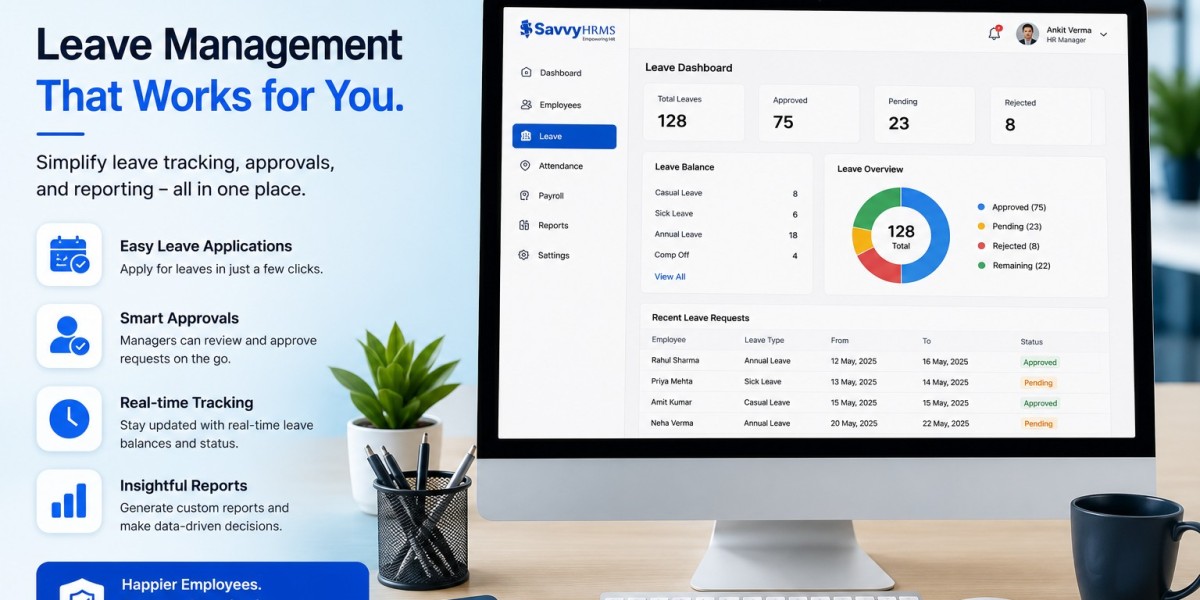
Platforms like Savvy HRMS allow businesses to configure leave policies by location, ensuring employees in different states are automatically governed by the correct statutory rules rather than a single blanket policy. Accrual calculations, carry-forward limits, and encashment terms can be set to reflect legal minimums specifically, with company enhancements layered on top where applicable. This significantly reduces the risk of compliance gaps that come from applying a uniform policy across a geographically distributed workforce.
It also solves the audit-readiness problem directly; leave records, approvals, and payout history are all maintained centrally, so producing documentation for an inspection or dispute doesn't require piecing together information from multiple sources.
A Quick Compliance Checklist for Growing Businesses
Use this as a starting point for a broader compliance review:
Confirm the applicable Shops and Establishments Act requirements for every state your business operates in
Verify maternity leave policy meets the Maternity Benefit Act's 26-week requirement for eligible employees
Check whether your company has crossed any employee thresholds that trigger additional statutory obligations
Confirm carry-forward and encashment terms meet or exceed statutory minimums in every applicable state
Maintain centralized, audit-ready records of leave accrual, approvals, and payouts
Final Thoughts
Statutory leave compliance in India is genuinely complex, largely because it's governed by a patchwork of state and central legislation rather than a single, uniform standard. That complexity is exactly why so many businesses discover compliance gaps only after they've already become a problem. The fix isn't necessarily a complicated one; it's building policy around actual legal requirements from the start, reviewing it as the business grows, and using a system that can enforce location-specific rules automatically instead of relying on manual oversight across every state you operate in.
If you're not fully confident your current leave policy holds up across every location your business operates in, it's worth finding out before an audit or dispute forces the question. Book a free demo with Savvy HRMS and see how location-based policy configuration can make compliance far less of a manual burden.
Frequently Asked Questions
Is leave policy governed by a single national law in India? No. Leave requirements primarily come from state-level Shops and Establishments Acts, which means specifics vary by state, alongside centrally legislated leave types like maternity leave under the Maternity Benefit Act.
What happens if a company's leave policy doesn't meet statutory minimums? It creates legal exposure, potentially including penalties, back-payments, or disputes raised during labor inspections or by employees directly. Non-compliance with maternity leave requirements in particular carries significant risk.
Do statutory leave requirements change as a company grows? Yes, in some cases. Certain obligations apply only once a company crosses specific employee thresholds, which means a policy compliant at a smaller size may fall short as headcount increases.
How can businesses operating in multiple states manage leave compliance consistently? By configuring leave policy at the state level rather than applying one blanket policy company-wide, ideally through a system that can automatically apply the correct statutory rules based on employee location.