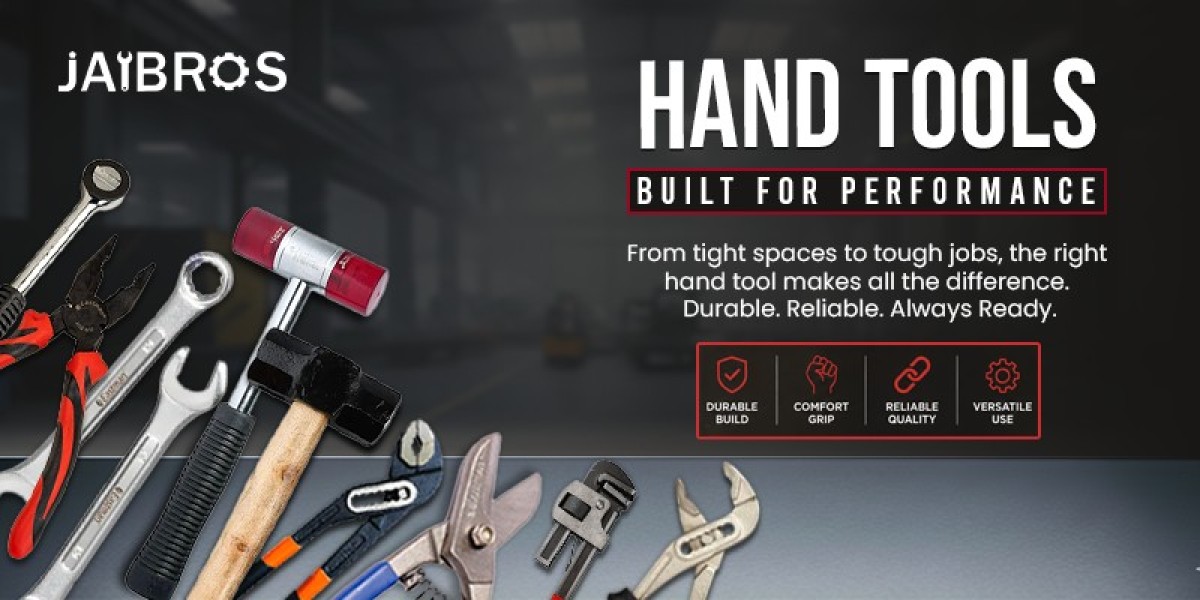

Accuracy is one of the key aspects of manufacturing in contemporary days; however, even the most accurate machinery requires maintenance to function correctly. Maintenance contributes to lowering the chances of machine breakdown, makes it safer and provides for the extended life of industrial machinery. Competent technicians apply hand tools to inspect the parts, fasten connections, clean assemblies and make the needed adjustments with precision. Proper technique ensures the accurate performance of the machinery.
Effective maintenance process implies not only repairing broken parts but also periodic checking, cleaning, oiling and changing of faulty elements. In addition to that, choosing high-quality equipment and learning how to use it properly is essential to achieve good results. Maintenance essentials become an invaluable asset in any workshop regardless of its size.
Why Regular CNC Machine Maintenance Is Important
Good maintenance is the cornerstone of efficient industrial operations. Those machines which undergo regular checks usually have lower chances of malfunction and perform much more accurately. Preventive maintenance implies not waiting for something to break but diagnosing the existing problem before it turns into a costly one.
Key Points
Reduces unexpected machine breakdowns.
Improves production efficiency.
Increases equipment lifespan.
Maintains machining accuracy.
Enhances operator safety.
Lowers long-term repair expenses.
Supports smooth production schedules.
Essential Hand Tools Required for Maintenance
Every maintenance task requires equipment designed for a specific purpose. Different hand tools help technicians work safely without damaging sensitive machine parts. Choosing durable tools also improves accuracy and reduces the effort required during servicing.
Key Points
Screwdrivers: Used for removing covers, tightening terminals, and servicing electrical panels.
Combination Spanners: Help tighten or loosen nuts and bolts of different sizes.
Allen Keys: Suitable for socket-head screws commonly used in industrial assemblies.
Pliers: Useful for gripping, bending wires, and removing retaining clips.
Soft Mallets: Assist in repositioning components without damaging finished surfaces.
Torque Wrenches: Ensure bolts are tightened according to manufacturer specifications.
A complete hand tool kit containing these essentials allows technicians to perform maintenance efficiently without searching for individual equipment during servicing.
Choosing Quality Maintenance Tools
Choosing the correct maintenance equipment is very important in terms of quality and safety. It is necessary to have equipment that is tough enough to be used repeatedly. Though most buyers tend to compare brands when buying equipment, choosing the cheapest available equipment may not be beneficial.
Key Points
Choose forged steel construction for better durability.
Look for ergonomic handles to reduce fatigue.
Buy corrosion-resistant tools for longer service life.
Ensure tools meet industrial quality standards.
Replace damaged equipment immediately.
Keep maintenance equipment properly organized.
Many professionals prefer checking specifications through trusted hand tool online platforms because they provide detailed product information, technical specifications, and customer reviews. Buyers also compare hand tools price across suppliers to find products that balance quality with affordability.
Best Practices During Maintenance
Following proper maintenance procedures helps prevent accidental damage and improves technician safety. Organized servicing also ensures every inspection is completed systematically without overlooking important components.
Key Points
Disconnect power before starting maintenance.
Wear appropriate personal protective equipment.
Clean components before inspection.
Inspect lubrication levels regularly.
Tighten fasteners according to specifications.
Record maintenance activities for future reference.
Replace worn-out components without delay.
Test all safety mechanisms before restarting operations.
A properly arranged hand tool kit saves time and allows technicians to complete maintenance work more efficiently while reducing unnecessary interruptions.
Common Areas That Require Inspection
Routine inspections focus on parts that experience regular movement, vibration, or wear. Monitoring these areas helps identify early signs of damage before they affect production quality.
Key Points
Fasteners
Check loose bolts.
Inspect mounting brackets.
Verify guard installation.
Lubrication System
Monitor oil levels.
Check grease condition.
Inspect leakage.
Guideways
Remove dust and chips.
Clean sliding surfaces.
Apply recommended lubricants.
Electrical Cabinet
Tighten loose terminals.
Remove accumulated dust.
Inspect cooling fans.
Check cable insulation.
Technicians may also inspect a CNC tool during maintenance to ensure cutting accessories remain properly secured and free from excessive wear. Careful inspection supports better machining accuracy and reliable production.
Mistakes to Avoid During Maintenance
Even experienced maintenance professionals can make small mistakes that reduce equipment performance. Following recommended maintenance procedures helps avoid unnecessary repairs and improves machine reliability.
Key Points
Using incorrect tool sizes.
Over-tightening fasteners.
Ignoring lubrication schedules.
Skipping inspection records.
Using worn-out maintenance equipment.
Failing to clean machine surfaces.
Neglecting calibration checks.
Many workshops also compare hand tools price before replacing old equipment, but investing in quality products usually provides better durability and long-term savings than selecting low-cost alternatives.
Professionals often purchase maintenance equipment through reliable hand tool online suppliers because they can compare features, specifications, and product availability before making informed purchasing decisions.
Conclusion
Effective maintenance is built on proper planning, regular inspections, and selecting the right hand tools for every servicing task. Routine care helps improve reliability, reduce downtime, and extend the life of valuable industrial equipment. Maintenance teams should always follow standard procedures, use quality equipment, and document every inspection for future reference. Learning best practices and choosing dependable maintenance solutions from trusted providers like Jaibros can help workshops maintain consistent performance while ensuring safe and efficient industrial operations.
FAQs
1. Why are hand tools important in industrial maintenance?
They help technicians perform inspections, repairs, adjustments, and preventive servicing accurately without damaging equipment.
2. What should a basic maintenance toolkit include?
A maintenance toolkit should include screwdrivers, spanners, Allen keys, pliers, torque wrenches, measuring tools, and cleaning accessories.
3. How often should maintenance inspections be performed?
Inspection frequency depends on equipment usage, but most industries follow weekly, monthly, and quarterly preventive maintenance schedules.
4. Why is preventive maintenance better than reactive maintenance?
Preventive maintenance identifies small issues early, reducing unexpected failures, repair costs, and production downtime.
5. What should be considered before purchasing maintenance equipment?
Consider build quality, material strength, ergonomics, durability, warranty, and application suitability instead of focusing only on price.