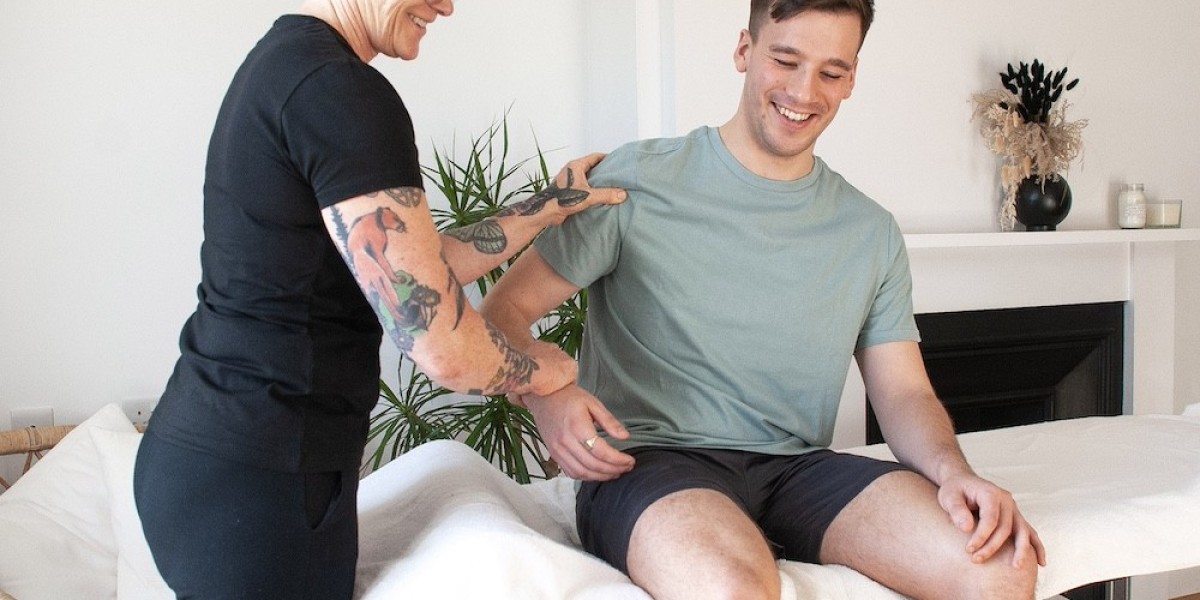

Whether you are training for the historic Boston Marathon, rowing on the Charles River, or crushing high-intensity intervals at a local CrossFit box, being an athlete in Boston demands a lot from your body.
While heavy training builds strength, true performance gains happen during recovery. That is where a specialized sports massage in Boston becomes your ultimate secret weapon. Unlike a relaxing day-spa treatment, sports massage is a targeted, functional therapy designed to address muscle imbalances, reduce soreness, and keep you moving at your peak.
What is a Sports Massage? (And How It Differs from Deep Tissue)
Many people confuse sports massage with standard deep tissue work. While both address deeper muscle layers, a sports massage is specifically tailored to an athlete's sport, training cycle, and injury history.
It combines various dynamic techniques, including:
Myofascial Release: Stretching and loosening the connective tissue (fascia) surrounding muscles to improve mobility.
Trigger Point Therapy: Applying targeted pressure to localized muscle knots to alleviate referred pain.
Proprioceptive Neuromuscular Facilitation (PNF): Advanced stretching techniques designed to enhance flexibility and range of motion.
Compensatory Work: Addressing the muscle groups that are overworking to compensate for an injury or poor biomechanics.
Top Benefits of Getting a Sports Massage in Boston
Integrating professional athletic bodywork into your routine does far more than just "feel good." Regular sessions yield measurable physiological benefits:
1. Accelerated Muscle Recovery
Intense workouts cause microscopic tears in your muscle fibers, leading to Delayed Onset Muscle Soreness (DOMS). Sports massage stimulates local blood flow, flushing out metabolic waste products and flooding the muscle tissues with fresh oxygen and nutrients to speed up cellular repair.
2. Enhanced Flexibility and Range of Motion
Tight joints and restricted muscles alter your biomechanics, reducing your athletic efficiency. By breaking down internal scar tissue and elongating tight muscle fibers, sports massage allows your joints to move through their full, intended range of motion.
3. Smart Injury Prevention
A skilled sports massage therapist can detect tight spots, minor imbalances, and fascial restrictions before they turn into full-blown injuries like shin splints, tendonitis, or muscle strains.
Customizing Your Treatment: Timing Your Sports Massage
When you should book your session depends entirely on your current training schedule.
| Massage Type | When to Get It | Primary Goal |
| Pre-Event | 15–45 minutes before a competition | Stimulate muscles, increase circulation, and optimize flexibility without causing soreness. |
| Post-Event | Within 24 hours after a heavy effort | Calm the nervous system, reduce swelling, and kickstart the body’s natural recovery process. |
| Maintenance | Weekly or bi-weekly during training | Address chronic tight spots, correct muscle imbalances, and keep the body injury-free. |
What to Expect During Your First Session
If you are booking a sports massage in Greater Boston for the first time, your session will look quite different from a Swedish massage.
Your therapist will start with a brief assessment, asking about your sport, weekly mileage or training volume, past injuries, and current areas of tightness. Don't be surprised if your therapist asks you to actively move or stretch during the session—sports massage is a highly collaborative, interactive process.
Pro Tip: Communication is vital. A sports massage can be intense, but it should never cause sharp, unbearable pain. Always tell your therapist if the pressure feels too deep.
Finding the Best Sports Massage in Boston
Boston is home to some of the finest sports medicine and wellness professionals in the country. When choosing a clinic or practitioner, look for therapists who hold specific certifications in sports massage therapy, orthopedic massage, or functional movement systems.
Whether you visit a clinic in Back Bay, South End, Cambridge, or Brookline, ensure your therapist understands the specific physical demands of your sport—whether you need leg recovery for marathon training or shoulder mobility for competitive swimming.
Ready to take your training to the next level? Don't wait for an injury to bench you. Book a sports massage in Boston today and give your body the proactive recovery it deserves.