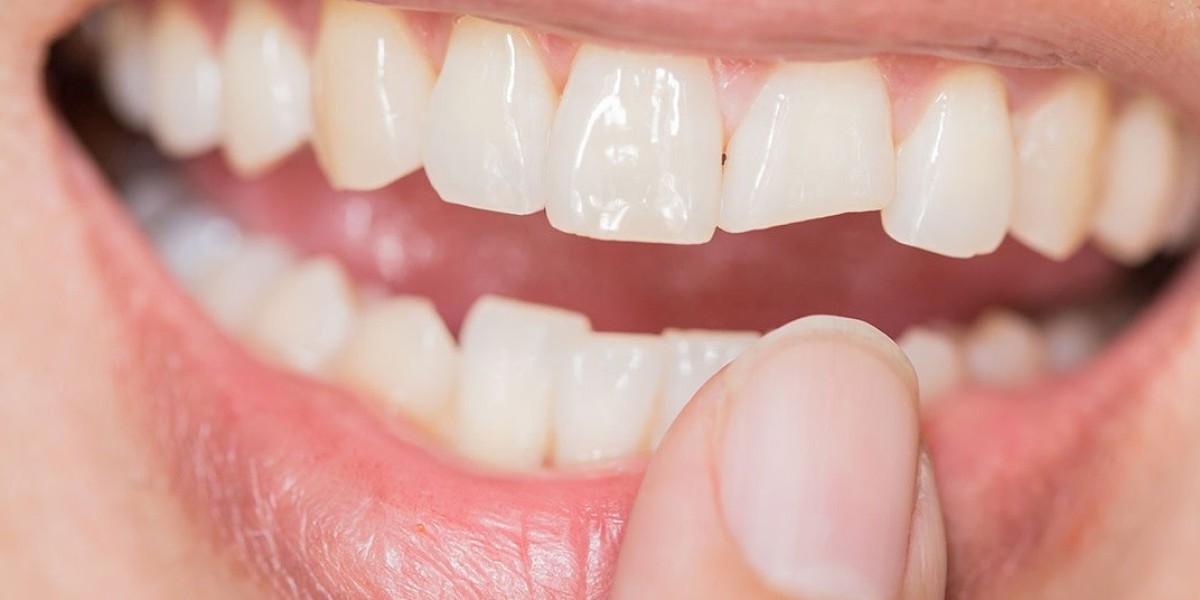

A fractured tooth can affect your oral health, comfort, and confidence. Whether caused by an accident, biting on hard foods, teeth grinding, or natural wear over time, a fractured tooth requires prompt attention to prevent further damage. Even a small crack can deepen if left untreated, leading to pain, infection, or even tooth loss.
Fortunately, modern fractured teeth treatment offers reliable solutions that restore the strength, function, and appearance of damaged teeth. From simple dental bonding to advanced restorative procedures, today's treatments are designed to provide lasting results while preserving as much of your natural tooth as possible.
What Is a Fractured Tooth?
A fractured tooth is a tooth that has developed a crack, split, or break. The damage can range from a minor surface crack affecting only the enamel to a deep fracture extending into the pulp or root. The severity of the fracture determines the type of treatment required.
Not all fractures are immediately visible or painful, which is why professional dental evaluation is essential if you suspect a problem.
Common Causes of Fractured Teeth
Several factors can increase the risk of tooth fractures, including:
- Biting hard foods such as ice, nuts, or hard candy
- Sports injuries or accidental falls
- Teeth grinding and clenching (bruxism)
- Untreated tooth decay
- Large fillings that weaken the tooth
- Sudden temperature changes from hot and cold foods
- Aging and everyday wear of tooth enamel
Understanding the cause helps your dentist recommend the most appropriate treatment and preventive measures.
Symptoms of a Fractured Tooth
The symptoms vary depending on the location and depth of the fracture. Common signs include:
- Sharp pain while chewing
- Sensitivity to hot, cold, or sweet foods
- Pain that comes and goes
- A visible crack or chipped tooth
- Swollen or tender gums near the affected tooth
- Difficulty biting comfortably
Some fractures are hidden below the gum line and may only be detected through a dental examination and imaging.
Types of Tooth Fractures
Dentists identify several types of tooth fractures, including:
Craze Lines
Tiny surface cracks that affect only the enamel. These are common in adults and usually require no treatment.
Chipped Tooth
A small piece of enamel breaks away. Cosmetic bonding is often enough to restore the tooth.
Cracked Tooth
A crack extends into the tooth but has not completely split it. Early treatment often saves the tooth.
Split Tooth
The crack has progressed enough to divide the tooth into sections. Depending on the damage, part of the tooth may still be preserved.
Vertical Root Fracture
This fracture starts in the root and gradually spreads upward. It often requires specialized treatment and, in severe cases, extraction.
How Dentists Diagnose Fractured Teeth
A proper diagnosis is essential for successful treatment. Your dentist may:
- Examine the tooth visually
- Review your symptoms
- Perform bite tests
- Take dental X-rays
- Use special dyes to highlight cracks
- Recommend advanced digital imaging when needed
Early diagnosis improves the chances of saving the natural tooth.
Expert Treatment Options
The ideal treatment depends on the extent of the fracture.
Dental Bonding
Minor fractures and chips can often be repaired with tooth-colored composite resin. Bonding restores the tooth's shape, strength, and appearance in a single visit.
Dental Crowns
When a significant portion of the tooth is damaged, a dental crown covers the entire tooth, providing protection and restoring full function.
Porcelain Veneers
For front teeth with small fractures, veneers improve both aesthetics and durability while maintaining a natural-looking smile.
Root Canal Treatment
If the fracture reaches the pulp, bacteria can infect the tooth. A root canal removes the infected tissue, relieves pain, and allows the tooth to be protected with a dental crown.
Tooth Extraction
When a fracture extends below the gum line or severely damages the root, extraction may be the only option. The missing tooth can later be replaced with a dental implant, bridge, or denture.
Benefits of Professional Treatment
Receiving expert fractured teeth treatment offers several advantages:
- Preserves natural teeth whenever possible
- Prevents infection and further damage
- Restores comfortable chewing
- Improves smile appearance
- Reduces pain and sensitivity
- Strengthens weakened teeth
- Provides durable, long-lasting results
Professional care also ensures the treatment is tailored to your specific dental needs.
Recovery After Treatment
Most patients recover quickly following fractured tooth treatment. Mild sensitivity may occur for a few days but usually resolves on its own.
For the best recovery:
- Avoid hard and sticky foods for a short period.
- Brush and floss gently around the treated tooth.
- Follow your dentist's aftercare instructions.
- Wear a custom night guard if you grind your teeth.
- Attend regular dental checkups.
Good oral hygiene and routine dental visits help extend the lifespan of your restoration.
Can Tooth Fractures Be Prevented?
While accidents cannot always be avoided, you can lower your risk by:
- Wearing a mouthguard during sports
- Avoiding chewing ice and hard objects
- Treating teeth grinding early
- Maintaining excellent oral hygiene
- Visiting your dentist regularly
- Repairing cavities before they weaken teeth
- Eating a balanced diet rich in calcium and vitamin D
Preventive care is the best way to protect your natural teeth.
When Should You See a Dentist?
Schedule a dental appointment immediately if you notice:
- A cracked or broken tooth
- Pain while chewing
- Ongoing tooth sensitivity
- Swollen gums around one tooth
- A loose tooth fragment
- Tooth pain after an injury
Prompt treatment greatly improves the chances of saving the tooth and avoiding more extensive procedures.
Final Thoughts
A fractured tooth is a dental problem that should never be ignored. Even minor cracks can become more serious over time, leading to discomfort, infection, and tooth loss. Thankfully, modern dentistry provides effective treatments that restore both the function and appearance of damaged teeth.
Whether you need bonding, a crown, root canal therapy, or another restorative procedure, seeking expert care as soon as possible can help preserve your natural tooth and ensure long-lasting results. With proper treatment and ongoing dental care, you can maintain a healthy, strong, and confident smile for years to come.