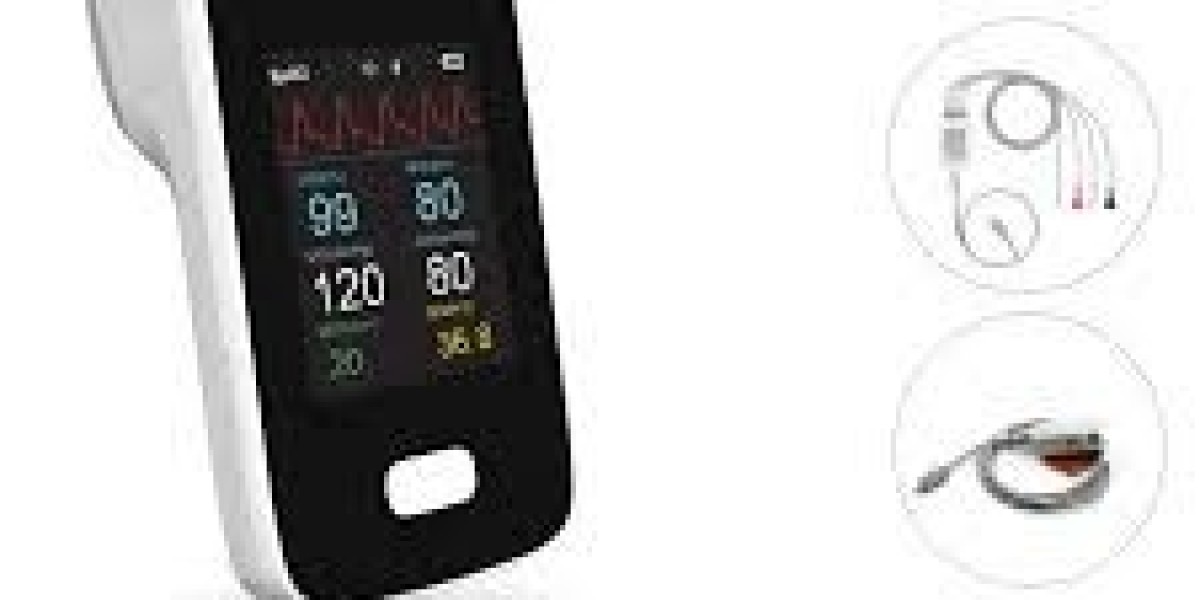

Australia's health service is evolving at a rapid pace and Australians are accepting the use of innovative technology to access high quality health care without the wasteful delay of unnecessary hospital visits. Whether it's elderly patients living with chronic conditions or busy professionals keeping an eye on their health at home, smart medical technology has become a necessity in healthcare.
In today's technology-driven world, smart healthcare devices are transforming healthcare to be more convenient, proactive, and cost-effective. Patients and health care providers may monitor vital signs in real-time, rather than waiting for symptoms to worsen, thus being able to detect health issues early and respond before they escalate.
VitalLeads offers hospitals, aged care facilities, clinics, and home health care providers in Australia with the latest monitoring solutions, which can enhance patient safety and lower avoidable hospital admissions.
Why Are Hospital Visits Increasing?
Hospital visits are on the rise for several reasons. As hospitals continue to face increased demand they can be attributed to the following:
Aging populations
Chronic illnesses
Limited healthcare resources
Emergency department overcrowding
Rising healthcare costs
A significant number of hospital visits are just because patients are not monitored at home.
For example:
Sudden rise in blood pressure.
The amount of oxygen gradually decreases.
Heart rate becomes irregular.
Unexpected increase in body temperature.
These changes frequently go unnoticed until they turn into emergencies, unless they are monitored on an ongoing basis.
It is here that smart healthcare devices come into the picture.
What Are Smart Health Devices?
Smart health devices are digital health technologies that continuously gather, record and communicate health information.
Examples include:
Blood pressure monitors that are also smart.
Pulse oximeters
ECG monitors
Digital thermometers
Smart weight scales
Blood glucose monitors
Wearable health trackers
Multi-parameter patient monitors
These medical devices at home will automatically relay patient data to the caregiver or healthcare provider, so that corrective measures can be taken immediately if needed.
The Role of Remote Monitoring Devices
The development of remote monitoring devices has been one of the greatest healthcare developments.
Rather than frequent hospital visits, patients can have their health monitored daily, right at home.
These devices are used to measure important health indicators including:
Blood pressure
Oxygen saturation
Heart rate
Respiratory rate
Temperature
Blood glucose
ECG readings
The gathered data is securely transmitted to healthcare providers, leading to quicker decisions and fewer hospital trips.
How a Healthcare Monitoring System Prevents Hospital Admissions?
A modern healthcare monitoring system integrates smart medical devices, cloud technology and healthcare software into a unified system.
This system enables healthcare providers to:
Monitor patients remotely
Receive instant alerts
Identify early signs of illness
Immediately modify the treatment plan.Rapidly change the treatment plan.
Make follow-up appointments ahead of emergencies
Healthcare providers can prevent medical emergencies, rather than just react to them.
This can substantially minimise the need for emergency room visits and enhance patient care.
Benefits of Smart Health Devices
1. Early Detection of Health Problems
The best part of smart monitoring technology is that it can spot medical problems before they start to be detrimental.
For example:
A patient's oxygen level gradually decreases over several days.
They may only seek medical attention if they are struggling to breathe, without monitoring.
Smart monitoring can alert healthcare providers early, and immediately offer treatment suggestions.
Hospitalization can be avoided if the intervention is made early.
2. Better Management of Chronic Diseases
Chronic conditions are conditions that last a lifetime that affect millions of Australians, including:
Diabetes
Hypertension
Heart disease
COPD
Asthma
Consistent monitoring is important when dealing with these conditions.
Patients can use health monitoring devices at home for regular monitoring of their vital signs, and healthcare professionals can monitor progress remotely.
This helps:
Reduce complications
Improve treatment compliance
Pinpoint signs of warning earlier.
Minimize emergency admissions
3. Improved Care for Elderly Patients
The technology of smart healthcare is one of the most significant advantages for older people. Most seniors would rather not go into a hospital, or residential home, but remain in their own homes. Smart monitoring devices offer peace-of-mind by enabling the caregiver to keep an eye on:
Blood pressure
Heart rate
Oxygen saturation
Body temperature
Daily activity
The family members, health care professionals are alerted to readings outside safe ranges. This will enhance safety and maintain independence.
Supporting Home-Based Healthcare
The home health care sector has grown in popularity throughout Australia. Patients who have recently undergone surgery, are ailing with chronic diseases or are receiving aged care can now receive hospital level monitoring at home. Healthcare workers can review patient data at a distance, without having to make frequent trips to the clinic, using medical devices at home. This will help make the recovery process more comfortable and decrease the healthcare costs.
Reduced Pressure on Hospitals
Unnecessary hospital visits add strain to the Australian health system.
Smart monitoring technology aids by:
Preventing avoidable admissions
Aim to minimize ED attendance.
Shortening hospital stays
Improving discharge planning
Making available virtual healthcare programs
Healthcare providers can use their time more effectively on patients who need urgent medical care.
Better Patient Engagement
Having access to a patient's health 24/7 makes patients more active in their own care.
Smart devices promote healthier lifestyle choices, letting users:
Track progress
Follow treatment plans
Monitor improvements
Share reports of any potential hazards with the doctor.
Stay motivated
With increased engagement, good long term health outcomes are more likely.
Real-Time Alerts Save Lives
Whereas conventional health checks happen every couple of months, smart checking operates on a continuous basis. Healthcare providers are alerted immediately if the readings are abnormal.
Examples include:
Low oxygen saturation
Irregular heartbeat
High blood pressure
Fever
Rapid heart rate
Prompt action will stop serious complications that may need hospitalisation.
Cost Savings for Families
Admission to hospital can be costly and disruptive. Families can save money with remote patient monitoring by lowering the expenses of:
Emergency transportation
Hospital stays
Frequent doctor appointments
Travel expenses
Time away from work
Prevention is much cheaper than a cure.
How VitalLeads Supports Smarter Healthcare?
Healthcare could and should be proactive, not reactive, at VitalLeads. Hospitals, aged care providers, clinics and home health care organisations can provide intelligent digital health, with our advanced monitoring solutions that enable better patient care.
Our solutions include:
Remote monitoring devices
Connecting complex healthcare monitoring systems.Integration of complex healthcare monitoring systems.
Home medical devices that are reliable.
Easy-to-use health monitoring devices at home
Innovation within the field of smart healthcare devices.
Real-time patient monitoring
Secure data management
Continuous, remote health monitoring.
These technologies enable clinical care providers to make more timely, well-informed clinical decisions and enhance patient safety.
Why Is Australia Embracing Smart Healthcare?
Australia is still focused on digital health transformation and investment.
This change is being brought about by a number of factors:
Growing elderly population
More patients are looking for home healthcare services.Greater demand for home healthcare services.
Telehealth expansion
Better internet connectivity
Rising healthcare costs
Improved wearable technology
The future of smart monitoring in the healthcare industry is poised to make a significant impact on patient outcomes as healthcare becomes increasingly digital.
Choosing the Right Smart Health Solution
When choosing smart health technology, keep the following in mind:
Accuracy of measurements
Ease of use
Remote monitoring capabilities
Secure cloud connectivity
Seamless connection with healthcare systems.
Reliable technical support
Meeting health care requirements
Collaborating with a seasoned healthcare technology partner guarantees you solutions that fit your requirements.
Final Thoughts
The healthcare industry is increasingly stepping beyond the four walls of the hospital, and smart technology is at the forefront. Patients can have access to high quality care and be comfortable in their home by using remote monitoring equipment, a reliable health care monitoring system and home medical devices.
From chronic disease management to assisting elderly family members, to enhancing healthcare delivery, Australians are reducing hospital visits, improving health and enjoying increased peace of mind with health monitoring devices at home and modern smart healthcare devices.
VitalLeads provides cutting-edge patient monitoring devices to empower healthcare and aged care providers, aged care facilities and families across Australia with reliable, connected and future proof healthcare solutions.
FAQs
Are smart health devices difficult for older adults to use?
The vast majority of the current smart health gadgets are designed to be as simple as possible. These usually include large displays, one-touch operation and automatic data syncing, which are easier to use for seniors without needing a lot of assistance. There are also many devices that enable family members or caregivers to remotely track health information.
Can smart health devices work in rural or remote areas of Australia?
Yes. In regional and remote areas, many smart health devices are designed to support patients. Health data can be safely shared with healthcare providers as long as there is a stable internet or mobile network.With a stable internet or mobile network, health data can be securely shared with healthcare providers, thus reducing long-distance travel for routine check-ups.
Is patient data collected by smart health devices secure?
Healthcare technology providers do not compromise patient information by using encrypted data transmission and secure cloud storage. It's important to choose devices that comply with Australian healthcare privacy standards and data security regulations.
Can multiple family members monitor a loved one's health remotely?
Numerous smart health monitoring platforms can give authorized family members, caregivers, and health care providers access to patient information via secure applications or dashboards. This ensures timely and effective response to changes in health readings and keeps everyone informed.
Do smart health devices require regular maintenance?
For most devices, regular cleaning, battery replacement or charging and adherence to manufacturer's calibration recommendations are the only maintenance activities that are necessary. Accurate, secure and high performing software is also maintained with regular software updates.