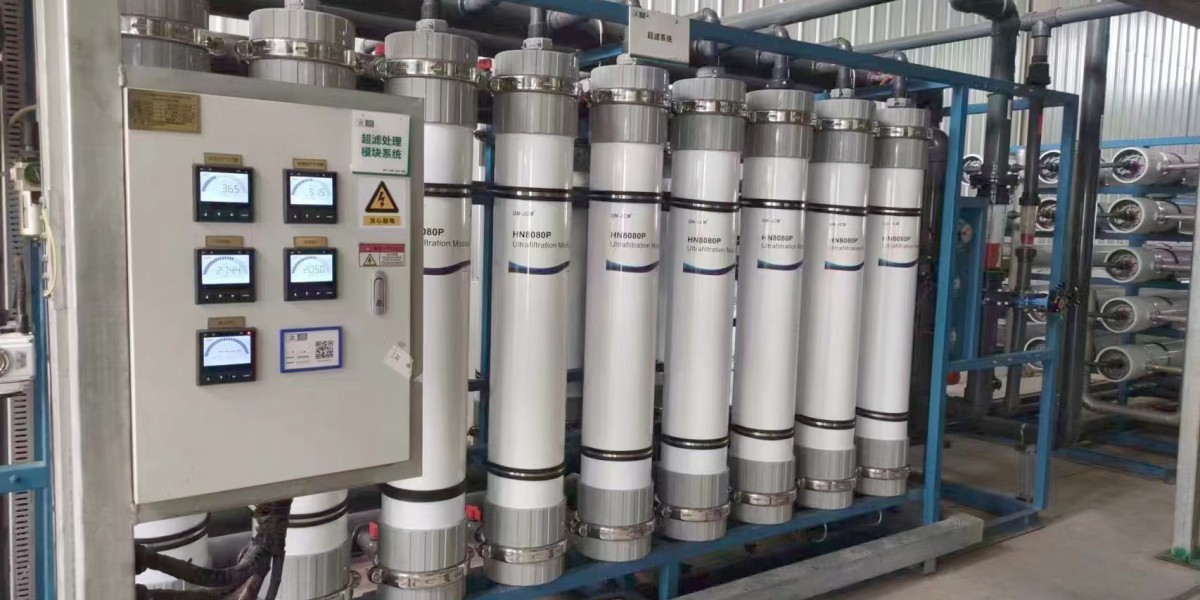

Most water equipment operators ignore the hidden loss caused by membrane fouling until frequent shutdown cleaning affects normal production and water supply. Organic sludge, mineral scale and microbial biofilm will continuously accumulate on the surface of ordinary RO membrane, reducing water production efficiency by more than 50% within one year. Regular chemical cleaning consumes a large amount of acid and alkali reagents, and repeated cleaning will also damage the membrane sheet structure, accelerating the replacement cycle of filter elements. Anti fouling RO membrane solves this core pain point of water treatment filter system through optimized surface coating technology. This article combines on site operation data of dozens of industrial parks and commercial water supply projects to analyze the cost saving logic of anti pollution membrane from technology, actual cases and authoritative test dimensions, helping purchasers judge the economic value of upgrading anti fouling membrane products.
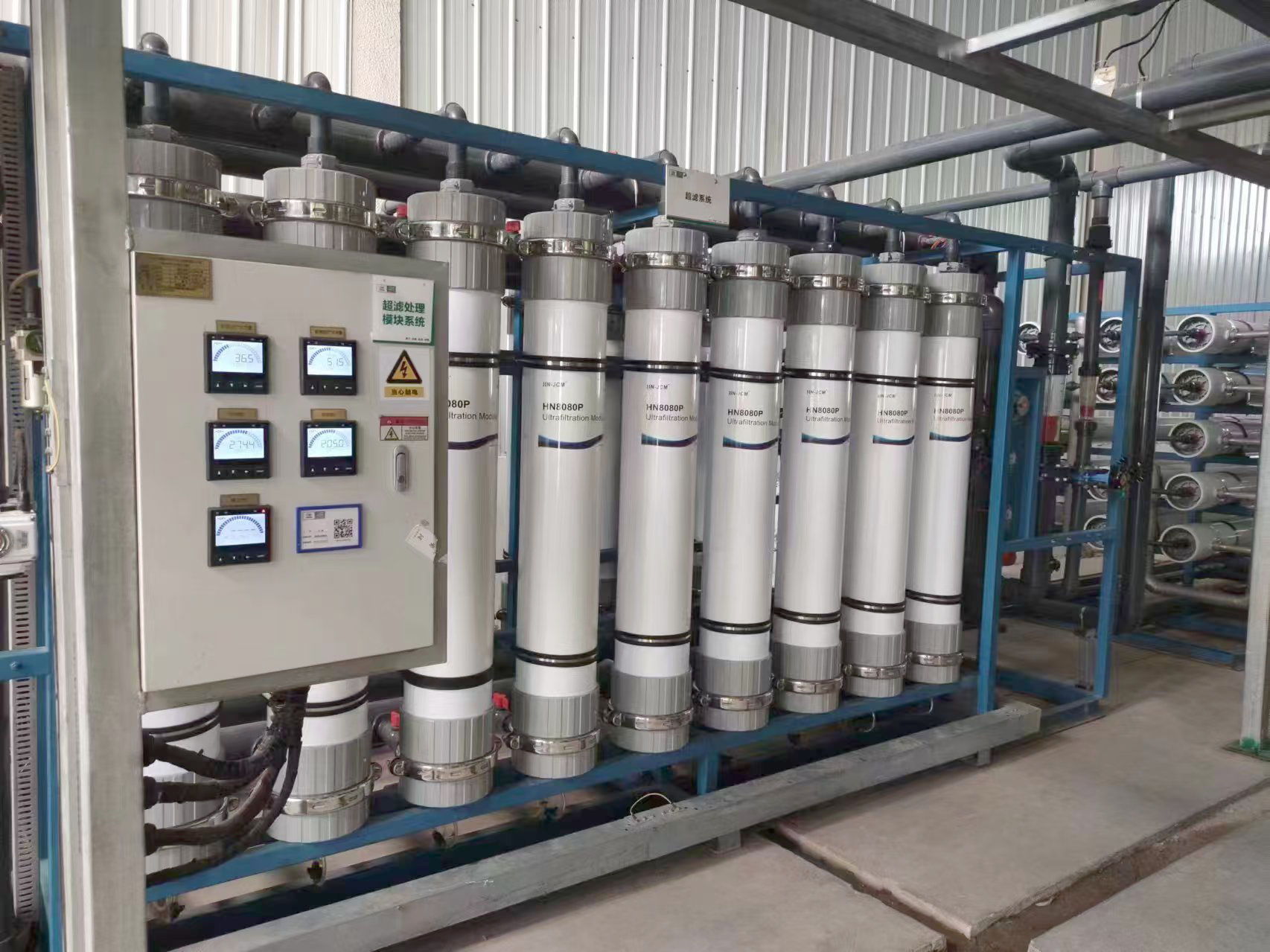
In the process of providing membrane after sales technical support for global industrial customers, the technical team has summarized a large number of fouling failure cases. A textile printing and dyeing factory in North Vietnam used ordinary industrial RO membrane for wastewater recycling treatment, and the membrane surface formed thick organic biological dirt within two months. The factory needed to stop production for chemical cleaning every 45 days, each cleaning process took 8 hours and consumed 120 liters of special cleaning agent, and the total annual cleaning and downtime loss reached 11000 US dollars. After replacing with anti fouling XFR membrane, the cleaning cycle was extended to 180 days, the annual reagent consumption decreased by 72%, and the annual loss was reduced to less than 2800 US dollars. In commercial household water purifier distribution channels, terminal feedback shows that ordinary household membrane used in rural groundwater areas will scale and block within 18 months, while anti fouling household membrane can maintain stable water production for more than 36 months. All cost comparison data in this article are recorded from customer equipment operation logs, without virtual data beautification, which can provide true cost reference for water treatment equipment wholesalers and factory water station managers.
The anti fouling performance gap of reverse osmosis membrane fundamentally comes from the surface coating formula and membrane winding process of membrane sheet. Conventional RO membrane only adopts single layer polyamide separation layer, which has strong adsorption effect on organic macromolecules and mineral ions in raw water, and pollutants are easy to adhere and accumulate. High performance anti fouling RO membrane adds a modified hydrophilic coating outside the separation layer, which can form a smooth water film on the membrane surface during operation, reduce the adhesion force of colloid and organic matter, and make pollutants flow away with concentrated water without deposition. The production process of anti pollution membrane requires precise temperature and pressure control in the membrane coating workshop, and the coating thickness error must be controlled within 0.2 microns to avoid uneven coating leading to local rapid fouling. Most small manufacturers cannot realize independent coating production, and only purchase semi-finished membrane sheets for winding processing, resulting in unstable anti fouling performance of finished membrane elements. The core membrane sheet production technology mastered by Hynamo realizes one-stop integrated production from raw material polymerization to anti fouling coating, and the coating formula is adjusted according to different raw water pollution degrees to match targeted anti pollution schemes for different water quality scenes.
All anti fouling performance indicators of RO membrane follow the long term pollution resistance test standard formulated by International Desalination Association IDA. Standard test conditions simulate raw water environment with high organic matter and high hardness, continuously operate the membrane element for 1000 hours without intermediate cleaning, and record the attenuation rate of water production flux. According to the official test report released by IDA in 2025, the flux attenuation rate of ordinary industrial membrane after 1000 hours of pollution simulation test reaches 41%, while the flux attenuation rate of XFR anti fouling membrane is controlled below 13%. The test also verifies the chemical tolerance of anti fouling coating: after 15 times of standard acid and alkali cyclic cleaning, the coating will not fall off or fail, and the desalination rate only decreases by 0.6%. These authoritative test data can be used as the core evaluation standard for buyers to screen anti fouling membrane products. Many low-cost imitation membrane products cannot pass the 1000-hour continuous pollution test, and their anti fouling effect will completely disappear after two chemical cleanings, which cannot reach the long-term stable operation standard of industrial water treatment projects.
When calculating the comprehensive cost of water treatment filter system, many purchasers only compare the initial purchase price of membrane elements and ignore the full life cycle operation loss brought by fouling. Although the unit price of anti fouling RO membrane is 15% higher than ordinary membrane, the comprehensive cost difference can be fully recovered within 12 months through reducing cleaning reagent consumption, reducing production downtime and extending membrane replacement cycle. For medium-sized industrial water stations with daily water output of 50 tons, the total expenditure difference between anti fouling membrane and ordinary membrane within three years can reach more than 25000 US dollars. For household water purifier retailers, selling anti fouling membrane products can reduce customer after-sales complaints about slow water production and frequent filter replacement, improve customer repurchase rate and brand reputation. Relying on large-scale intelligent membrane production lines, Hynamo can control the production cost of anti fouling membrane elements at a stable level, provide bulk wholesale preferential policies for global distributors, and support customized anti pollution membrane parameter adjustment according to local raw water pollution characteristics of buyers.