
Introduction
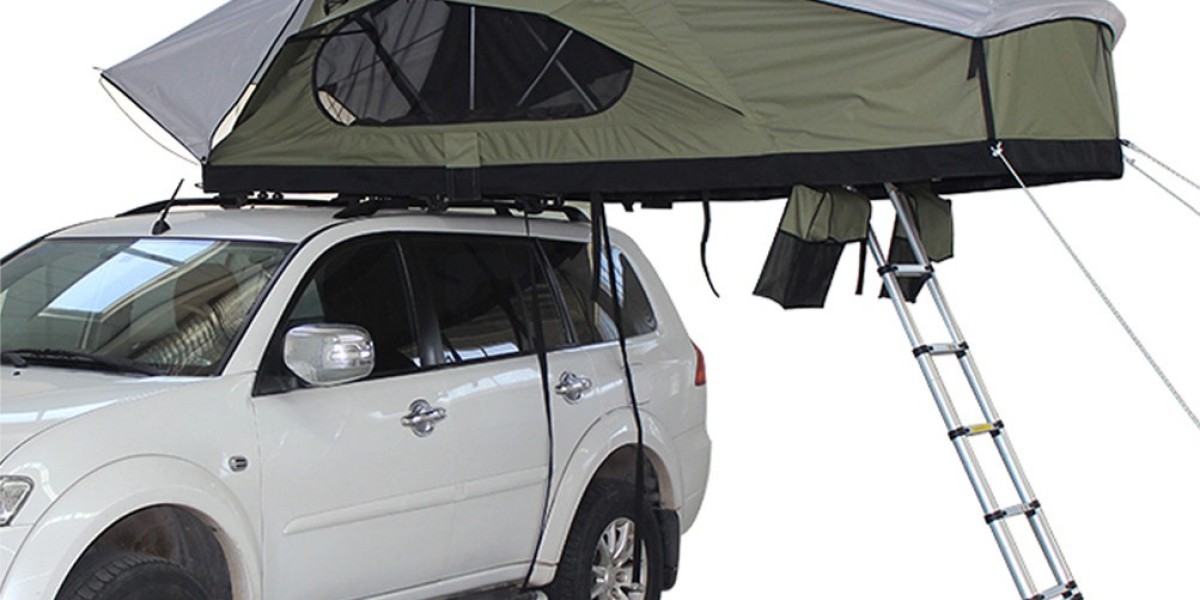
Logistics damage including shell cracks, fabric scratches and deformed aluminum frames creates huge economic losses for wholesale buyers importing bulk roof top tent shipments from overseas manufacturing facilities. Damaged products cannot be sold at full retail price and require time consuming rework or replacement coordination with suppliers, disrupting seasonal outdoor gear sales plans seriously. Summarizing years of export shipment coordination experience for 60 plus global RTT brands, this article introduces standardized factory packaging processes, loading operation rules and logistics management methods that effectively cut product damage rates during long sea freight transit, providing practical risk control reference for all outdoor gear distributors importing bulk car tent orders. Standard Export Wooden Crate Packaging For Roof Top Tent Bulk Orders Custom thick solid wooden export crates form the core protective packaging solution for all bulk roof top tent shipments, completely replacing thin carton packaging that fails to resist sea freight collision and extrusion pressure. Each individual rooftop tent unit is wrapped with thick bubble foam layers covering shell surfaces, fabric areas and aluminum frame components to prevent scratches and impact damage during container loading and ocean transit. Detachable accessories including camping ladders storage bags and car awning parts are packed into independent foam lined sub boxes fixed inside the main wooden crate to avoid loose component collision with tent main bodies during ship vibration. Reinforced wooden strip frames around crate edges strengthen anti extrusion performance against stacked container cargo weight on long shipping routes. Moisture proof plastic membrane wraps the whole crate interior to block sea air humidity that may cause metal frame rust and fabric mildew during cross ocean transportation. All wooden crates meet international export fumigation standards to pass customs inspection requirements of European North American and Australian ports without cargo detention delays. OEM customized branded crate printing can be added for private label bulk roof top tent shipments to unify brand display during overseas warehouse receiving procedures. Controlled Container Loading Operation Rules For Roof Top Tent Shipments Professional loading teams follow standardized stacking rules when placing wooden crates into shipping containers to eliminate collision damage risks for bulk roof top tent orders. Crates are fixed tightly with tension binding straps to container internal metal anchor points to prevent sliding and collision caused by ship rocking during sea transit. Heavy hard shell rooftop tent crates are placed at the bottom container layer with lighter soft shell tent crates stacked above to avoid shell cracking from heavy weight extrusion. Empty gaps between stacked crates are filled with foam padding blocks to eliminate free movement space inside the container during long voyage transportation. Loading supervisors conduct full visual inspection after container stacking completes to verify all binding straps are fully tightened and no crates remain loose before container door sealing. Loading photos and short videos are sent to wholesale buyers immediately after container packing finishes to confirm complete cargo fixing conditions before ocean freight departure. For mixed orders combining roof top tent and matching car awning accessories, separate zone stacking separates heavy tent crates and lightweight awning packaging to avoid sharp awning bracket components scratching tent shell surfaces during transit vibration. Pre Shipment Inspection To Eliminate Hidden Roof Top Tent Damage Risks Comprehensive finished product inspection is conducted before roof top tent packaging and container loading to filter out minor surface scratches or component deformation generated during mass production, avoiding defective damaged goods being shipped to overseas buyers. QC teams check hard shell surfaces for tiny cracks, canvas fabric for scratch marks and aluminum frames for bending deformation on every tent unit before foam wrapping and crate sealing. All tent functional parts including zippers hydraulic supports and locking hardware are tested for smooth operation during pre shipment inspection, recording defect units for rework and replacement before packaging. After wooden crate sealing, secondary external crate inspection verifies no sharp nail protrusions or broken wooden board edges that may pierce internal foam protective layers during container stacking. Pre shipment inspection records and photos are archived for each bulk roof top tent order, serving as reference documents for damage responsibility confirmation if unexpected cargo damage occurs after overseas port receiving. Wholesale buyers can arrange third party inspection agency staff to witness factory pre shipment testing and packaging procedures for high volume high value rooftop tent bulk import orders to add extra damage risk control layers for shipments. Logistics Partner Selection And Shipment Tracking For Roof Top Tent Importers Selecting professional outdoor gear specialized logistics partners greatly reduces roof top tent bulk shipment damage probability compared with general freight forwarders lacking fragile large cargo handling experience. Qualified logistics providers arrange container trucks with soft suspension systems for factory cargo pickup to minimize road vibration damage during land transport to seaports. Real time shipment tracking systems provide continuous location and transit status updates for all bulk RTT shipments, allowing wholesale buyers to monitor cargo movement across ocean routes to destination ports. Early communication with logistics teams about seasonal shipping peak congestion helps reserve sufficient container space and avoid rushed loading operations that increase careless cargo handling damage risks. Cargo insurance covering collision scratch and moisture damage losses can be purchased for large volume roof top tent import orders to offset economic losses if unexpected logistics damage occurs during transit. Long term stable cooperation with trusted logistics partners maintains the factory’s overall 90 percent on time delivery rate for all exported rooftop tent bulk shipments, balancing damage risk control and punctual seasonal stock replenishment for global outdoor gear wholesale distributors importing car tent camping equipment year round.