
Table of Contents
Introduction
What Is Amla and Why It's Used in Hair Oil
The Traditional Role of Amla in Ayurvedic Hair Care
What the Research Actually Shows
Common Hair Concerns Amla Oil Is Used For
How to Use Amla Hair Oil Effectively
Common Mistakes People Make With Amla Oil
Choosing a Quality Amla Hair Oil
Read More
Final Thoughts
FAQ
Walk into any conversation about natural hair care and amla hair oil comes up quickly, often described as a staple rather than a trend. That reputation isn't new amla, or Indian gooseberry, has been used in hair care for generations, and its continued popularity raises a fair question: does it actually work, or is it simply tradition repeating itself? Hemani has spent decades in the herbal products space, and understanding what amla oil genuinely offers, separate from the exaggerated claims that circulate online, matters more than following a trend. This article looks at what amla is, how it's traditionally used, what current research says, and how to use it in a way that actually supports healthier-looking hair.
What Is Amla and Why It's Used in Hair Oil
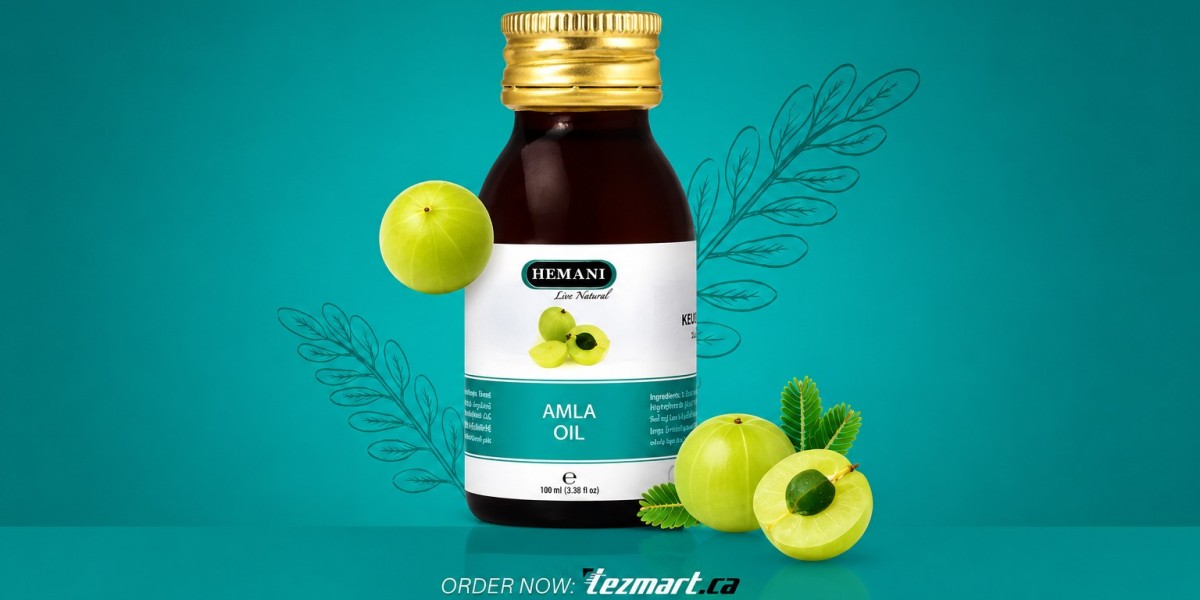
Amla, also known as Indian gooseberry, is a small, tart fruit that grows on the amalaki tree, native to India. In hair oil form, dried amla is typically infused into a carrier oil often sesame, coconut, or mustard oil allowing its nutrients to be absorbed into the oil base and delivered to the scalp and hair strands during application.
The fruit itself is notably rich in vitamin C, antioxidants, and essential nutrients, which is the primary reason it has remained central to natural hair care formulations for so long. When infused into oil, these compounds are positioned to interact directly with the scalp environment rather than simply sitting on the surface of the hair.
The Traditional Role of Amla in Ayurvedic Hair Care
Amla has played a central role in Ayurvedic hair care for centuries, valued particularly for its association with strengthening hair roots and supporting a healthy scalp. In Ayurvedic tradition, amla is considered balancing for the scalp and is often paired with other herbal ingredients as part of a broader hair care ritual rather than used as a standalone treatment.
This long history of traditional use is part of why amla oil remains widely recommended today, even as hair care overall has become more product-heavy and ingredient-focused. It's worth noting, though, that traditional use and clinical proof are two different things a distinction worth keeping in mind before making specific claims about outcomes.
What the Research Actually Shows
This is where it's important to separate what's well established from what's still being studied. Modern research on amla and hair health does exist, but it remains limited in scope, and it's honest to say there's currently no strong clinical proof that amla oil directly reverses hair loss or activates dormant follicles in humans.
That said, the existing research isn't nothing. Some studies have examined amla's interaction with an enzyme involved in converting testosterone into a hormone linked to pattern hair thinning, and animal studies have shown amla extract supporting hair growth through this pathway in lab settings. Separate animal research, including studies on rabbits, found that amla oil produced measurable and comparatively fast fur growth when applied topically in controlled concentrations, along with improvements in coat condition. Interestingly, the same effect wasn't observed in sheep, a difference researchers attributed to differences in skin fat layer structure between species a reminder that animal study results don't always translate directly to human hair, even when the mechanism looks promising.
On the antioxidant side, the evidence is more straightforward. Amla is dense in antioxidant compounds, and antioxidants are well understood to help neutralize oxidative stress, which is a known contributor to scalp irritation and, over time, hair follicle stress. This is the most consistently supported benefit of amla oil: it supports scalp health and helps protect against everyday environmental damage, even where more specific claims about growth remain under-researched.
Common Hair Concerns Amla Oil Is Used For
Hair breakage and root strength. Amla oil is widely used as a scalp treatment intended to strengthen hair roots and reduce breakage at the base of the strand, where hair is most vulnerable to everyday damage.
Scalp irritation and dryness. The anti-inflammatory compounds naturally present in amla, particularly a class of tannins found in the fruit, are commonly credited with helping calm an irritated or flaky scalp, making amla oil a common choice for people dealing with ongoing scalp discomfort.
Hair fall and thinning appearance. While amla oil is not a proven treatment for medically diagnosed hair loss conditions such as androgenetic alopecia which typically requires dermatologist-guided treatment it's commonly used as a supportive part of a broader routine aimed at reducing everyday hair fall and supporting a fuller appearance over time.
Premature graying. Oxidative stress is understood to accelerate the loss of melanin-producing function in hair follicles, which contributes to graying. Amla's antioxidant content is thought to help offset some of that oxidative damage, and it's one of the more commonly cited traditional uses for the oil, though this remains an area with limited direct clinical study in humans.
How to Use Amla Hair Oil Effectively
Amla hair oil is most commonly applied directly to the scalp, worked in with the fingertips in circular motions to support gentle massage and even distribution. It's typically left on for a period of time sometimes overnight before being washed out with a regular shampoo, though the exact duration varies by product and formulation.
Consistency matters more than quantity. Natural oils like amla tend to work gradually, supporting the scalp environment over repeated use rather than producing dramatic changes from a single application. As with any new topical product, it's sensible to do a small patch test on the inner forearm and wait a day to check for any sensitivity before applying it to the scalp more broadly.
Common Mistakes People Make With Amla Oil
Expecting fast, dramatic results is one of the most common misconceptions. Amla oil works as a supportive, gradual addition to a hair care routine rather than a quick fix, and treating it as an instant solution often leads to disappointment and premature discontinuation.
Skipping the patch test is another avoidable mistake, particularly for anyone with sensitive skin or a history of reactions to plant-based oils. Overloading the scalp with too much oil is also common a generous but reasonable amount, evenly distributed, tends to work better than a heavy application that's difficult to wash out and can leave hair feeling greasy for days.
Relying on amla oil alone to address a medically diagnosed hair loss condition is another mistake worth flagging. Amla can be a genuinely useful supportive ingredient, but conditions like androgenetic alopecia typically need medical evaluation and treatment, and natural oils work best as part of a broader approach rather than a replacement for professional guidance when symptoms are significant.
Choosing a Quality Amla Hair Oil
Not all amla oils are formulated the same way, and the difference shows up in how the product performs. Concentration matters amla oil that's heavily diluted will offer a milder effect, while a well-balanced concentration is more likely to deliver the nutrients associated with amla consistently.
It's also worth checking whether the oil is a genuine amla infusion in a quality carrier oil, rather than a synthetic fragrance blend marketed under the amla name. Brands with a long-standing background in herbal products, such as Hemani, tend to bring more transparency to sourcing and formulation, which matters when the entire value of the product depends on the quality of the ingredient itself.
Read More
Readers interested in building out a fuller natural hair care routine may also want to look into the benefits of other traditional hair oils used alongside amla.
Final Thoughts
Amla hair oil has a long-standing place in traditional hair care, and while not every claim attached to it holds up to rigorous clinical study, its core benefits particularly around scalp health, antioxidant protection, and support for stronger-feeling roots are reasonably well grounded. It works best as a consistent, gradual addition to a hair care routine rather than a fast fix, and it's most effective when paired with realistic expectations about what a natural oil can and can't do. Amla hair oil remains a genuinely useful ingredient for people looking to move toward a simpler, plant-based approach to hair care, and Hemani's decades of experience in herbal products reflects the kind of long-term, ingredient-focused approach that this category rewards.
For customers in Mississauga and the surrounding area, having access to a trusted, established herbal brand makes it easier to choose natural hair care products with confidence, knowing the ingredients and sourcing behind them are held to a consistent standard.
FAQ
Does amla hair oil actually help with hair growth?
Some research, including animal studies, suggests amla may support conditions favorable to hair growth, but clinical evidence in humans remains limited. Its most consistently supported benefit is scalp health and antioxidant protection rather than guaranteed growth.
Can amla oil stop hair fall completely?
No natural oil, including amla, can guarantee a complete stop to hair fall, especially if the cause is genetic or medical. Amla oil is best used as a supportive part of a broader hair care routine.
How often should amla hair oil be used?
Amla oil is typically used a few times a week and left on the scalp for a period before washing out. Consistent, moderate use tends to work better than infrequent heavy applications.
Is amla oil safe for all hair types?
Amla oil is generally well tolerated, but a patch test is recommended before first use, particularly for anyone with sensitive skin or known plant oil sensitivities.
Can amla oil help with premature greying?
Amla's antioxidant content is thought to help offset some of the oxidative stress linked to premature greying, though direct clinical evidence in humans is still limited.
Is amla oil a substitute for medical hair loss treatment?
No. Amla oil can support scalp health, but conditions like androgenetic alopecia typically require medical evaluation and treatment such as dermatologist-recommended options.
Where can I find quality amla hair oil in Mississauga?
Hemani, located at 6880 Columbus Road and Derry Road in Mississauga, offers amla hair oil as part of its wider range of herbal hair care and wellness products.
What should I look for when buying amla hair oil?
Check for a genuine amla infusion in a quality carrier oil, appropriate concentration, and a brand with a transparent, established background in herbal formulation.