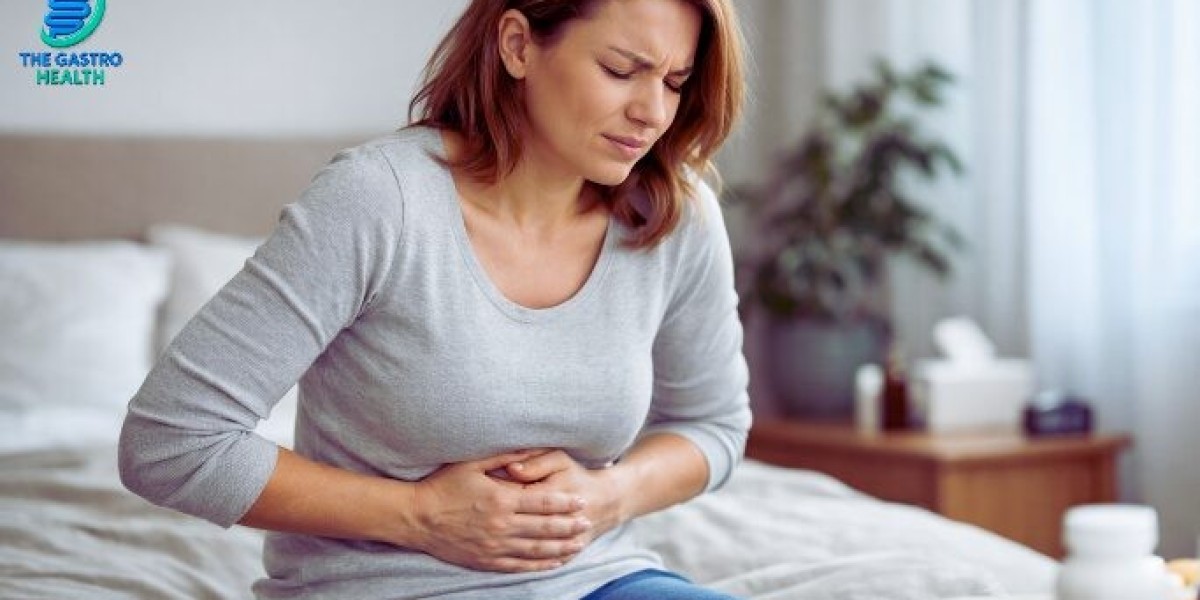

Bloating and excessive gas are common digestive complaints that affect people of all ages. While occasional bloating after eating is normal, persistent abdominal discomfort, swelling, or frequent gas can interfere with daily life and may signal an underlying digestive issue. The good news is that effective bloating & gas treatment options are available, ranging from simple lifestyle changes to medical therapies for specific gastrointestinal conditions.
In this comprehensive guide, you'll learn about the causes of bloating and gas, treatment options, home remedies, prevention strategies, and when it's time to seek medical care.
What Is Bloating?
Bloating is a sensation of fullness, tightness, or pressure in the abdomen. It may or may not be accompanied by visible swelling of the stomach. Bloating often occurs when excess gas builds up in the digestive tract or when digestion slows down, causing food to remain in the intestines longer than usual.
Gas is a natural byproduct of digestion. As gut bacteria break down certain foods, they produce gases such as hydrogen, methane, and carbon dioxide. Most people pass gas 10–20 times a day, which is a normal part of healthy digestion. Problems arise when gas becomes trapped or is produced in excessive amounts.
Common Causes of Bloating and Gas
Understanding the underlying cause is the first step in choosing the right bloating & gas treatment.
1. Swallowing Excess Air
Air can enter the digestive system when you:
Eat too quickly
Chew gum frequently
Drink carbonated beverages
Use a drinking straw
Smoke cigarettes
Talk while eating
Reducing these habits can significantly decrease gas buildup.
2. Gas-Producing Foods
Some foods naturally create more gas during digestion, including:
Beans
Lentils
Broccoli
Cauliflower
Cabbage
Brussels sprouts
Onions
Apples
Pears
Whole grains
These foods are highly nutritious, but moderation may help if they consistently trigger bloating.
3. Food Intolerances
Certain people have difficulty digesting specific foods. Common intolerances include:
Lactose intolerance
Fructose intolerance
Gluten sensitivity
Intolerance to artificial sweeteners
Food intolerances often cause bloating, abdominal pain, diarrhea, and excessive gas after meals.
4. Constipation
Constipation slows the movement of waste through the intestines, allowing bacteria to ferment stool for longer periods. This increases gas production and contributes to bloating.
5. Irritable Bowel Syndrome (IBS)
IBS is a common digestive disorder that frequently causes:
Bloating
Excessive gas
Stomach pain
Diarrhea
Constipation
Changes in bowel habits
Managing IBS effectively often reduces bloating symptoms.
6. Small Intestinal Bacterial Overgrowth (SIBO)
SIBO occurs when excessive bacteria grow in the small intestine, causing increased fermentation of food and persistent bloating after eating.
Symptoms of Bloating and Gas
Symptoms vary from person to person and may include:
Feeling full after small meals
Tightness in the abdomen
Visible stomach swelling
Excessive burping
Frequent passing of gas
Mild stomach pain
Cramping
Rumbling sounds in the abdomen
Pressure or discomfort after eating
If these symptoms become severe or persistent, medical evaluation is recommended.
Effective Bloating & Gas Treatment
The best treatment depends on the underlying cause. In many cases, a combination of healthy lifestyle changes and appropriate medical care provides lasting relief.
Eat Slowly
Eating too quickly causes more air to enter the digestive tract.
Helpful habits include:
Chew food thoroughly.
Take smaller bites.
Avoid rushing meals.
Eat smaller portions.
Wait before lying down after eating.
Mindful eating supports healthier digestion and reduces swallowed air.
Stay Hydrated
Water helps food move smoothly through the digestive system and prevents constipation, one of the leading causes of bloating.
Aim to drink plenty of water throughout the day while limiting sugary drinks and carbonated beverages.
Exercise Regularly
Physical activity encourages normal bowel movements and helps trapped gas move through the intestines.
Recommended exercises include:
Walking
Cycling
Yoga
Swimming
Gentle stretching
Even a 20-minute walk after meals may improve digestion.
Foods That May Help Reduce Bloating
Certain foods are easier to digest and may reduce digestive discomfort.
Good choices include:
Bananas
Oatmeal
White rice
Cucumbers
Spinach
Yogurt with live cultures
Kefir
Ginger
Lean chicken
Fish
If increasing dietary fiber, do so gradually to avoid temporary increases in gas.
Keep a Food Diary
Recording your meals and symptoms can help identify trigger foods.
Track:
Foods eaten
Portion sizes
Meal timing
Symptoms
Symptom severity
This information can help guide dietary changes and support discussions with your healthcare provider.
Medical Treatments for Bloating & Gas
When lifestyle changes are not enough, medications may provide relief.
Simethicone
Simethicone combines gas bubbles, making them easier to pass and reducing pressure.
Digestive Enzymes
Digestive enzyme supplements help break down carbohydrates, fats, and proteins more efficiently.
Lactase Supplements
People with lactose intolerance may benefit from taking lactase before consuming dairy products.
Probiotics
Probiotics support healthy gut bacteria and may reduce bloating in some individuals, particularly those with IBS.
Prescription Medications
People diagnosed with IBS, SIBO, chronic constipation, or inflammatory bowel disease may require prescription medications tailored to their condition.
Natural Remedies for Bloating
Several natural remedies may help relieve mild bloating.
Ginger
Ginger supports stomach emptying and may reduce nausea, bloating, and digestive discomfort.
Peppermint Tea
Peppermint helps relax digestive muscles, allowing gas to move more easily through the intestines.
Chamomile Tea
Chamomile has calming properties that may ease mild stomach cramps and bloating.
Fennel Seeds
Fennel has traditionally been used to improve digestion and reduce gas after meals.
Although natural remedies can be helpful, they should not replace medical care for ongoing digestive symptoms.
Preventing Bloating and Gas
Long-term prevention often involves simple lifestyle adjustments.
Healthy habits include:
Eat slowly.
Avoid overeating.
Stay physically active.
Drink enough water.
Limit processed foods.
Reduce excessive salt intake.
Avoid smoking.
Minimize carbonated beverages.
Manage stress.
Get seven to nine hours of quality sleep each night.
Consistency with these habits supports overall digestive health.
When to See a Doctor
Occasional bloating is usually harmless, but you should seek medical attention if you experience:
Severe abdominal pain
Blood in your stool
Persistent vomiting
Fever
Difficulty swallowing
Unexplained weight loss
Chronic diarrhea
Long-term constipation
Symptoms lasting more than two weeks
Progressive abdominal swelling
These symptoms may indicate a more serious digestive condition that requires evaluation.
Frequently Asked Questions
What is the fastest way to relieve bloating?
Walking, drinking water, avoiding carbonated beverages, eating smaller meals, and using over-the-counter gas relief products may help relieve mild bloating quickly.
Can stress cause bloating?
Yes. Stress can affect the digestive system, slow stomach emptying, and increase bloating in many individuals.
Are probiotics good for bloating?
Some probiotic strains have been shown to improve gut health and reduce bloating, although results vary from person to person.
Is bloating always caused by food?
No. Hormonal changes, constipation, IBS, SIBO, certain medications, and digestive disorders can also contribute to bloating.
Conclusion
Finding the right bloating & gas treatment starts with understanding what is causing your symptoms. Occasional bloating is a normal part of digestion, but frequent discomfort should not be ignored. Healthy eating habits, staying hydrated, regular exercise, and identifying food triggers can significantly improve digestive health. In cases where symptoms are linked to conditions such as IBS, SIBO, or food intolerances, targeted medical treatment may be necessary.
By making simple lifestyle changes and seeking medical advice when symptoms persist, you can reduce bloating, relieve excess gas, and improve your overall digestive well-being. A healthy digestive system supports better energy, comfort, and quality of life, making it well worth the effort to care for your gut every day.