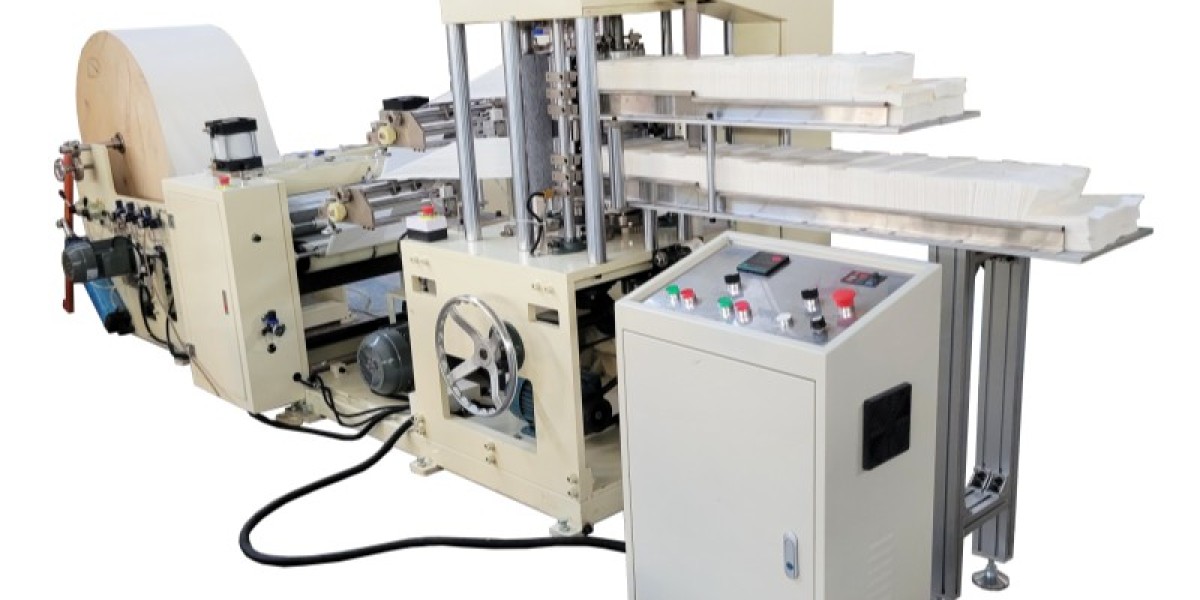

The paper you feed into a facial tissue folding machine largely determines the final product’s softness, strength, and cost. But not all papers run equally well. A machine tuned for virgin pulp can struggle with recycled fiber unless adjustments are made. Knowing how different raw materials behave helps you maintain high output and meet your customers’ expectations without constant trial and error.
Virgin Pulp Performance in a Facial Tissue Folding Machine
Virgin pulp is the traditional choice for premium facial tissues. It offers long fibers that form a strong, flexible sheet. In a facial tissue folding machine, virgin pulp runs smoothly because the fibers hold together under the tension of folding plates and vacuum belts. Xinda observes that virgin pulp tissue produces very little dust and folds cleanly, resulting in sharp, well defined edges. The softness is immediate and consistent. If your brand competes on luxury feel, virgin pulp is the most straightforward material to run, though it comes at a higher cost. The machine can often run at its top rated speed with this material.
Recycled Fiber and Its Impact on a Facial Tissue Folding Machine
Recycled fiber is an economical and eco friendly option. However, the shorter, reprocessed fibers can be more brittle and produce more dust. A facial tissue folding machine needs specific adjustments to handle recycled tissue. Xinda recommends reducing web tension slightly and increasing vacuum suction to control the lighter, less cohesive sheet. The folding plates may need cleaning more often due to higher dust levels. Despite these adjustments, a well set up machine can produce acceptable quality recycled tissues. Many converters find a blend of virgin and recycled fiber gives a good balance between cost and performance.
Bamboo Pulp and Specialty Fibers in a Facial Tissue Folding Machine
Bamboo pulp has grown popular as a sustainable alternative. It offers a naturally soft hand feel and good absorbency. In a facial tissue folding machine, bamboo fiber behaves somewhat like a blend of virgin and recycled fibers. It is relatively strong but can be slippery, requiring precise vacuum timing to keep sheets aligned during folding. Xinda has successfully tested bamboo tissue on its folding machines and can pre configure the vacuum pattern and fold plate angles for this material. Specialty fibers such as wheat straw or bagasse are also emerging. Before committing to a large run, always test a sample roll to confirm the machine’s settings.
Sheet Caliper and Its Effect on Fold Quality
The thickness of the paper, measured as caliper, directly affects how many plies a facial tissue folding machine can handle at once. Thicker sheets generate more resistance at the folding plate entrance. If the caliper is too high for the plate gap, jams occur. Xinda designs its folding plates with an adjustable gap, so operators can widen or narrow the passage to suit the paper. Matching the machine’s plate settings to the paper caliper prevents wrinkles and misaligned folds. Consistent caliper from the paper supplier makes the operator’s job much easier and keeps production flowing.
Moisture Content and Static Control in Raw Material
Paper with too little moisture becomes brittle and prone to static buildup, while overly moist paper can stick to rollers. A facial tissue folding machine performs best when the paper moisture content stays within a narrow range. Xinda recommends storing parent rolls in a climate controlled area before production. If static is an issue, the machine’s anti static bars need to be properly grounded and positioned. Managing moisture and static reduces web breaks and keeps the folding station running without interruption. This is an often overlooked aspect of raw material preparation that delivers real reliability gains.
Testing New Materials on a Facial Tissue Folding Machine
Whenever you consider switching to a new paper grade, run a trial on a single lane first. Monitor the machine for any increase in jams, dust, or misalignment. Xinda supports customers by providing test protocols and analyzing sample folds to determine the ideal machine settings. A disciplined testing process saves you from a full line shutdown due to an unsuitable material. The ability to adapt to different raw materials keeps your business flexible in a changing fiber market, allowing you to seize cost advantages or meet new customer demands with confidence.