
Introduction
System integrators and electronic hardware developers frequently face inconsistent signal performance after piecing together separate RF components from multiple suppliers. Random matching of unmatched RF coaxial connector coaxial cable antenna and passive accessories creates standing wave distortion, unstable signal transmission and unexpected equipment downtime, which raise after sales maintenance costs and delay project delivery timelines. With decades of precision RF component manufacturing experience, systematic matching rules eliminate nearly all avoidable RF system faults by unifying impedance, frequency rating and mechanical tolerance across every component link. This article breaks down the complete workflow to build a fully synchronized RF system, covering core component pairing logic, customized production advantages and protective accessory deployment standards to help engineers design stable, long lasting RF layouts for wireless communication medical equipment and industrial automation devices.
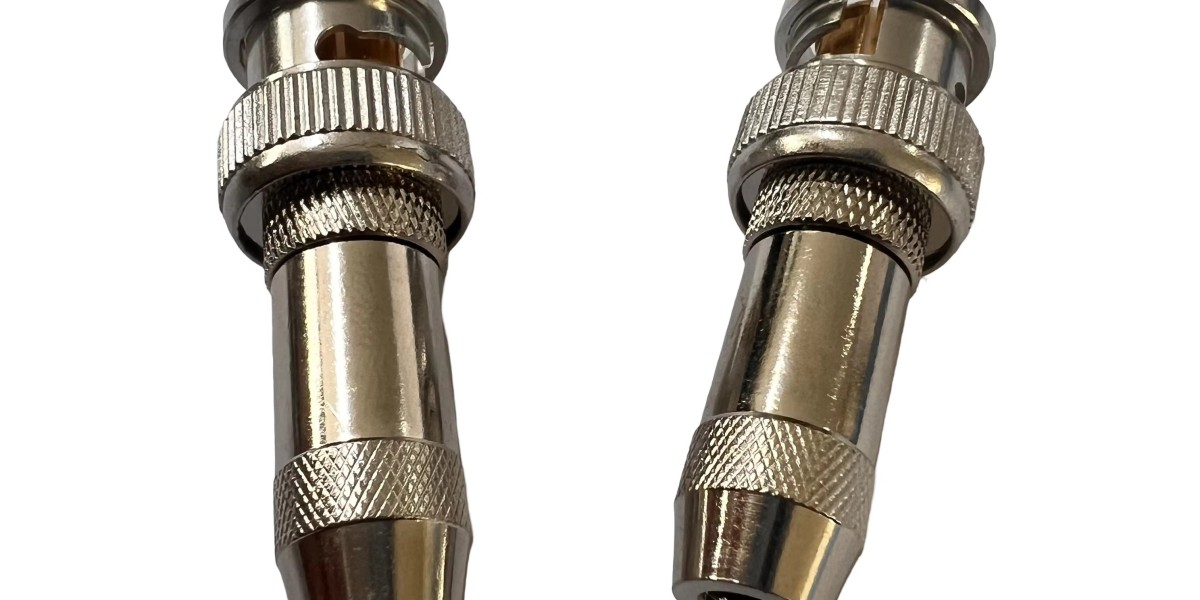
Impedance uniformity is the foundational rule for all RF system assembly, and nearly all commercial wireless and industrial equipment adopts 50 ohm standard RF coaxial connector while broadcast video equipment uses 75 ohm variants. Mixing connectors of different impedance specifications will generate severe signal reflection and push VSWR values far beyond acceptable ranges, weakening antenna transmission distance and distorting testing data. All mainstream product lines including SMA connector N connector UHF connector TNC connector QMA connector SMP connector MCX connector MMCX connector L29 connector and 4310 connector maintain precise 50 ohm internal dimensional tolerance via CNC precision machining. Each finished RF coaxial connector undergoes full band VSWR testing before delivery to lock consistent electrical performance across batch production. For high power outdoor deployment scenarios, heavy duty L29 connector and 4310 connector feature thicker copper conductors and expanded heat dissipation cavities to support continuous high power signal flow without thermal deformation, while miniature MCX connector and MMCX connector fit compact IoT and wearable antenna layouts with limited internal installation space. Customized pin plating thickness and shell alloy can be adjusted to match indoor dry workshops, coastal salt fog environments or high temperature medical equipment operating conditions without breaking impedance matching parameters.
Standard off the shelf coaxial cable rarely fits unique equipment internal layout demands, and improperly cut or crimped wiring introduces extra insertion loss that degrades antenna receiving sensitivity. Custom cable assembly integrates selected RF coaxial connector onto low loss coaxial cable through automated crimping equipment, eliminating loose contact faults caused by manual field assembly. Designers can specify exact wire length, bending radius limits and outer sheath materials according to project requirements, with medical grade silicone jackets available for disinfection resistant medical RF equipment and low smoke zero halogen layers for industrial control cabinets. Cable assembly supports all mainstream connector interfaces to connect antenna modules directly, removing the need for extra rf adapter in most fixed wiring layouts. Every finished cable assembly completes insertion loss and vibration cycle testing to guarantee stable signal output after hundreds of thousands of repeated bending movements inside portable and moving equipment. Mass order clients can combine multiple cable assembly specifications under unified production batches to streamline procurement procedures and shorten overall component lead time, while sample proofing services allow performance verification before large scale manufacturing to avoid batch performance deviations that disrupt antenna system operation.
Different device brands adopt inconsistent RF coaxial connector interfaces, and rf adapter serves as the core conversion component to bridge incompatible ports between antenna transmitters and testing instruments without breaking impedance matching. Straight, right angle and bulkhead mounted rf adapter options cover conversion between SMA N UHF TNC QMA SMP MCX and MMCX connector types, all adopting integrated one piece inner conductor structure to avoid signal leakage at conversion joints. Attenuator and rf load act as essential passive signal regulation parts for testing and signal transmission circuits, absorbing redundant reflected power to eliminate waveform distortion and prevent high power signal overload from burning sensitive circuit components. RoHS certified attenuator and rf load use non toxic alloy resistance cores that comply with global export environmental standards, equipped with integrated SMA connector or N connector interfaces for direct connection without extra conversion accessories. When designing multi channel testing systems, rf load terminates idle instrument ports to cut standing wave noise, while attenuator adjusts signal power to safe receiving ranges for precision analyzers. Combining matched rf adapter attenuator and rf load in one unified component order simplifies supply chain management and ensures all passive parts share identical electrical standards with main RF coaxial connector and cable assembly products.
Rf Dust Cap For Long Term Coaxial Cable And Antenna Port Protection
Unused antenna and coaxial cable ports exposed to factory dust, outdoor rain and salt fog will experience rapid oxidation of gold plated contact pins, leading to rising contact resistance and intermittent signal disconnection after months of standby operation. Rf dust cap delivers multi dimensional physical and chemical protection tailored to every series of RF coaxial connector, with built in elastic silicone sealing rings that block moisture, sand and corrosive gas from entering internal connector cavities. Threaded hard plastic rf dust cap suits long term outdoor antenna deployment with stable locking performance against wind vibration, while soft snap on silicone versions enable quick disassembly for indoor equipment maintenance work. Coastal high salt fog projects can select reinforced anti corrosion rf dust cap variants with surface barrier coating to extend port service life significantly compared to standard economical models. When purchasing cable assembly and antenna matched RF coaxial connector, matching rf dust cap can be included in unified shipment batches to avoid separate accessory procurement delays. Regular installation of rf dust cap on idle ports reduces long term equipment maintenance frequency by preventing irreversible plating scratches and metal rust that require full connector replacement during post deployment inspection cycles.
Sourcing RF coaxial connector cable assembly rf adapter attenuator rf load antenna and rf dust cap from separate suppliers creates mismatched electrical standards and inconsistent delivery schedules, increasing project coordination workload and risk of system performance defects. Integrated manufacturing support covers full range RF component design, drawing modification, sample testing and unified batch shipment under consistent ISO9001 and RoHS quality control systems. Professional engineering teams adjust component structural parameters according to target application scenarios including wireless communication base stations, industrial automation sensors and medical diagnostic RF equipment, optimizing frequency range, power handling and environmental resistance to fit specific working conditions. OEM and ODM customization modifies connector mounting style, cable length, attenuator power value and rf dust cap surface marking to match equipment shell layout and brand identification demands. All customized products pass unified electrical mechanical and environmental aging testing to guarantee cross component matching stability, eliminating signal loss risks caused by inconsistent production tolerance across different component categories. The full set component supply model cuts multiple logistics and customs clearance fees generated by scattered procurement, helping project teams control overall component procurement budget while maintaining stable long term RF system signal performance.
Conclusion
Constructing a reliable full function RF system relies on unified matching of RF coaxial connector cable assembly and supporting passive components including rf adapter attenuator rf load antenna and rf dust cap. Strict impedance consistency, customized wiring optimization, signal power regulation and port protection form four core pillars to avoid common RF signal failure faults in wireless medical and industrial automation projects. Integrated one stop customization services unify all component quality standards and delivery cycles, reducing coordination costs and eliminating cross component mismatch risks that damage equipment operation stability. Hardware designers and system integrators can submit complete project frequency power and environmental parameters to obtain fully synchronized RF component matching schemes with sample verification support before mass production deployment.