
Introduction
Numerous manufacturing factories face extra power supply penalty charges every month due to low overall grid power factor caused by massive deployed AC induction motor on production lines, increasing total monthly electricity expenditure significantly without corresponding production output improvement. Standard squirrel cage AC induction motor absorbs large amounts of reactive power from three phase electric power grid to build stator rotating magnetic field, and light load operation status further lowers power factor value, triggering power company reactive power surcharge according to industrial power supply management regulations. Many factory power management teams install expensive power factor compensation cabinets to solve this problem, ignoring a more cost effective solution of replacing low efficiency induction motor with high power factor copper winding YE3 asynchronous motor to fundamentally reduce reactive power demand. With long term factory power consumption optimization consulting experience, this article analyzes the internal mechanism of AC induction motor power factor loss and summarizes targeted motor configuration strategies to improve factory overall grid power factor without extra compensation equipment investment.
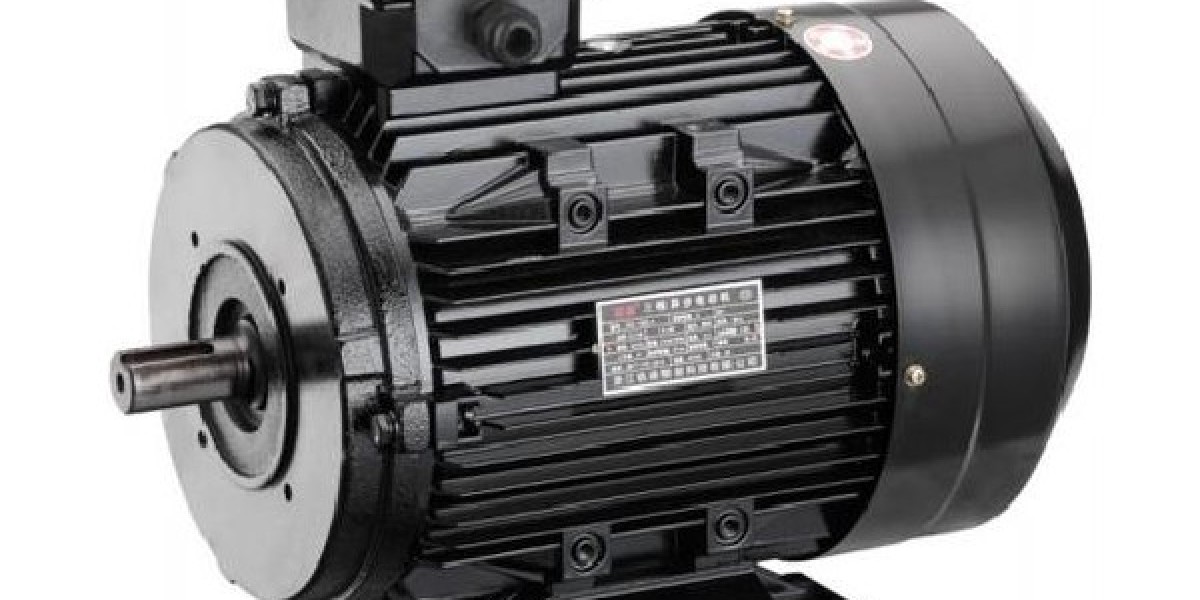
AC induction motor relies on electromagnetic induction principle to realize energy conversion between electrical power and mechanical power, and the stator winding must continuously absorb reactive magnetizing power from three phase electric power grid to generate rotating magnetic field that drives rotor rotation. Reactive power does not convert into effective mechanical driving force, only forms alternating magnetic field inside the motor core and generates extra power transmission loss inside factory power distribution cables and transformers. When AC induction motor operates under light load status such as empty conveyor belt and idle pump equipment, magnetizing reactive power proportion rises sharply while active power output reduces, pushing overall factory grid power factor below the qualified threshold regulated by power supply bureaus. Multiple low efficiency YE2 asynchronous motor deployed on the same production line superimpose reactive power demand, leading to cumulative low power factor across the whole factory power supply system. Copper winding YE3 high efficiency AC induction motor optimizes core silicon steel lamination and winding layout to reduce magnetizing reactive power demand under equal load conditions, lifting power factor value compared with standard YE2 induction motor and cutting factory overall reactive power absorption volume from the public grid.
High Efficiency Copper Winding Induction Motor Configuration Strategies For Power Factor Improvement
Two core configuration adjustment methods improve factory power factor via optimized AC induction motor selection: upgrading low efficiency YE2 motor to YE3 high efficiency copper winding asynchronous motor and matching proper motor power size to avoid long term light load operation. Oversized AC induction motor matched with small load equipment maintains long time light load running status, which severely reduces power factor and generates massive reactive power waste; selecting motor power just matching equipment rated load minimizes light load operation duration and stabilizes power factor at high qualified level. For 24 hour continuous heavy load equipment including large water pump and air compressor, YE3 high efficiency induction motor combines low reactive power demand and low active power loss to simultaneously improve power factor and reduce total electricity consumption. Factories with large scale variable speed production equipment can mix deploy permanent magnet motor together with YE3 AC induction motor, utilizing permanent magnet near unity power factor characteristic to balance overall factory grid reactive power absorption and eliminate power supply penalty fees completely. Machinery OEMs can prioritize YE3 copper winding induction motor for finished equipment supporting global factory clients to optimize their plant power factor indicators after equipment installation.
Installing large power capacity reactive power compensation cabinets requires high upfront equipment procurement cost, regular capacitor module replacement maintenance expenditure and extra power distribution cabinet space occupation inside factory power rooms. Upgrading existing low efficiency AC induction motor to YE3 high efficiency copper winding asynchronous motor simultaneously solves two factory power consumption pain points: low power factor reactive power penalty fees and excessive active power loss waste, generating dual electricity cost savings every month without extra compensation equipment investment. The extra procurement cost difference between YE2 and YE3 motor units can be fully recovered within one to two years via eliminated power penalty charges and reduced active power consumption, and subsequent multi year continuous operation brings pure electricity cost profit margins for factory operation budgets. Bulk motor distributors can provide unified YE3 high efficiency induction motor batch quotation for factory motor replacement renovation projects, supporting production line segmented motor upgrading arrangement to avoid full production line shutdown during equipment replacement construction periods. Complete power consumption comparison calculation reports can be supplied to factory power management teams to accurately predict power factor improvement effect and monthly electricity cost reduction amplitude after AC induction motor upgrading renovation.
Conclusion
Standard AC induction motor absorbs large volume reactive magnetizing power from three phase electric power grid, which lowers factory overall power factor and triggers extra power supply penalty fees. Upgrading production line low efficiency YE2 induction motor to properly sized YE3 copper winding high efficiency asynchronous motor fundamentally reduces reactive power demand and lifts grid power factor to qualified levels, delivering dual energy saving benefits of reactive power penalty elimination and active power loss reduction. Factory power management teams can submit production line equipment load data and monthly power supply penalty records to obtain targeted AC induction motor upgrading configuration schemes, optimizing factory three phase electric power system power factor performance and cutting long term industrial power consumption expenditure.