
Introduction
Rural power grid construction projects cover two completely different residential layout types: scattered remote mountain villages and concentrated township community blocks, and improper distribution transformer installation type selection causes frequent low voltage fluctuation and daily maintenance inconvenience for rural residents. Many rural electrical planners uniformly adopt single type transformer without distinguishing residential concentration degree terrain and peak power load, leading to unstable household electrical equipment operation and high long term line maintenance labor expenditure. Years of rural power equipment supply experience summarizes clear deployment boundary between pole mounted transformer and pad mounted transformer based on population distribution terrain traffic and load parameters. This article analyzes installation safety capacity and maintenance differences of two rural dedicated distribution transformer types, sorts applicable rural residential scenarios and summarizes single phase and three phase matching configuration suggestions for rural power supply systems.
Pole mounted transformer is specially designed for scattered sparse mountain rural households with dispersed residence and limited flat construction land resources, directly fixed on overhead power transmission poles without independent concrete foundation occupation. Small single phase pole mounted distribution transformer with low capacity adapts individual mountain household and tiny hamlet separate power supply, avoiding long distance low voltage cable line loss caused by centralized transformer layout in sparse villages. Light weight oil immersed integrated structure reduces overhead pole bearing load pressure, with full sealed anti rain and dust shell adapting open air mountain wild environment without extra protective cabinet construction. Transportation only requires small lifting machinery to hoist onto transmission poles on site, solving large pad mounted transformer vehicle access difficulty in narrow mountain country roads. Low unit installation and civil supporting cost greatly cuts rural grid construction investment for remote scattered village power renovation projects, and simple external structure makes routine oil inspection and fault observation work convenient for rural maintenance staff.
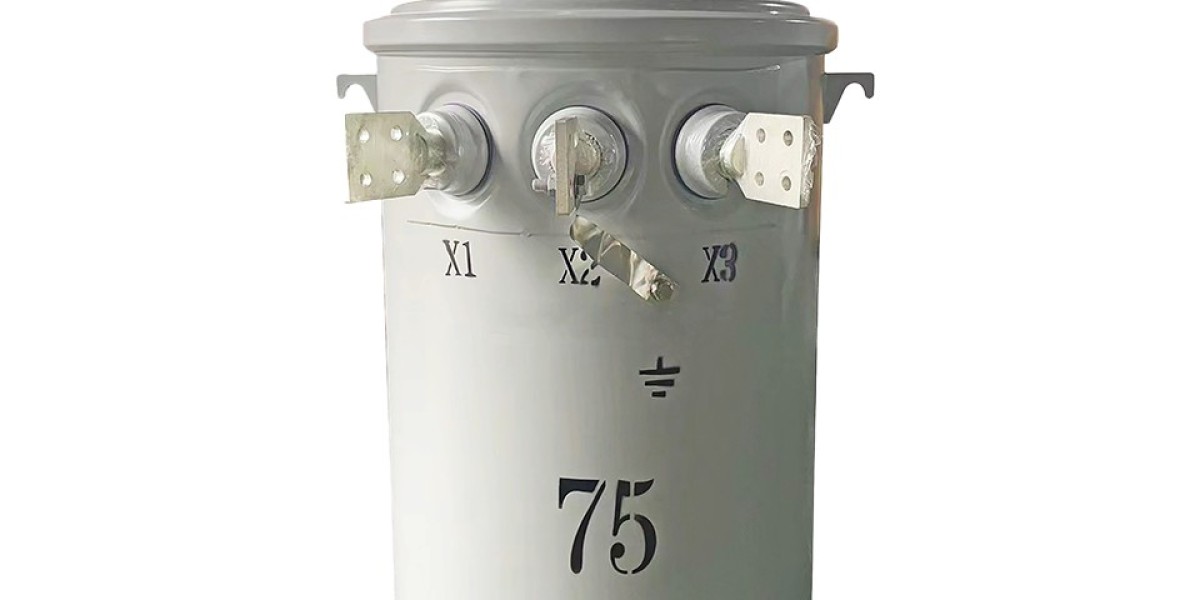
Pad mounted transformer including single phase pad mounted transformer and three phase pad mounted transformer requires independent flat concrete foundation installation, suitable for densely populated township residential blocks rural market streets and central village concentrated residential zones with large peak power consumption demand. Larger capacity range supports simultaneous power supply for dozens or hundreds of rural households, effectively solving low voltage drop problems during evening household electrical equipment peak usage periods. Full enclosed metal outer cabinet integrates transformer lightning protection fuses and low voltage distribution terminals into one unit, eliminating exposed live components of pole mounted transformer and improving safety for rural children and livestock moving around power facilities. Pad mounted distribution transformer can be matched with compact substation integrated cabinet layout for township central power distribution points, reserving expansion space for future rural household electric vehicle charging equipment load growth. Unified ground foundation layout simplifies power line wiring arrangement and reduces scattered overhead pole clutter inside concentrated rural community living areas.
Three core rural grid judging indicators decide transformer deployment type: household distribution density local road traffic conditions and daily peak power load value. Scattered mountain villages with less than twenty households per power supply unit adopt single phase pole mounted transformer to save construction land and transportation cost. Concentrated township residential blocks and rural commercial streets with over fifty households select three phase pad mounted transformer to guarantee stable low voltage power supply during peak hours. Mixed layout scheme can be adopted for combined mountain plain rural areas: pole mounted transformer for remote mountain branch villages and pad mounted transformer arranged at township central power distribution nodes. Rural power grid contractors can submit village household quantity terrain road and peak load data to obtain matched pole mounted or pad mounted distribution transformer capacity and phase configuration schemes, optimizing rural power supply stability and overall construction budget control simultaneously.
Conclusion
Pole mounted transformer serves scattered remote mountain rural villages relying on pole fixed land saving design, while pad mounted transformer provides stable high capacity power supply for concentrated township residential and commercial zones. Rational mixed deployment of two distribution transformer types eliminates rural low voltage fluctuation and construction land waste problems. Reliable power equipment suppliers supply complete single phase three phase pole mounted and pad mounted transformer series to support rural grid renovation and new rural power distribution construction projects.