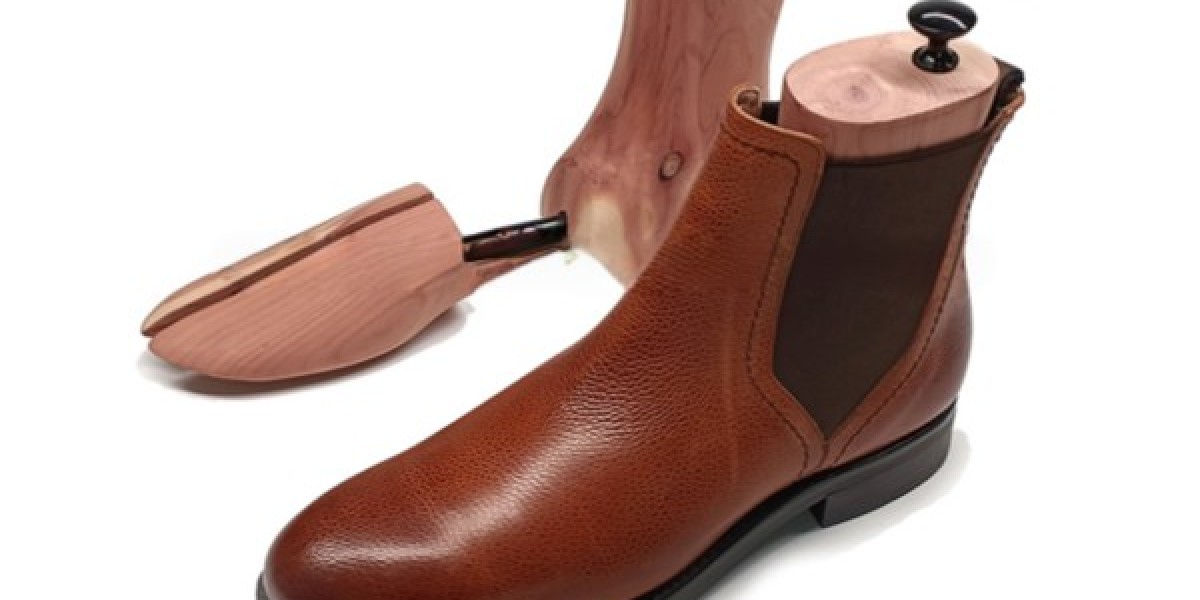

A cheap shoe tree might look similar to a quality one at first glance, but the details make all the difference. Using the wrong shoe tree can distort shoes or fail to deliver any benefit. Multi Resource has spent years refining shoe tree design, and knowing what to look for helps you choose a product that truly protects your footwear.
Solid Wood Construction Versus Hollow or Plastic Shoe Trees
A quality shoe tree is made from solid wood, not plastic or hollow wood shells. Solid cedar or beech provides the weight and stability needed to hold a shoe’s shape firmly. Hollow shoe trees may look the part but lack the mass to apply proper tension. Multi Resource uses solid timber for every shoe tree, ensuring consistent density and durability. The weight of a solid wooden shoe tree also makes it easier to insert and remove smoothly. When you pick up a quality shoe tree, the heft alone tells you it is built to last. This solid construction is the foundation of all other features.
The Importance of a Full Heel Block in a Shoe Tree
Some shoe trees have only a narrow heel support or a small knob. A quality shoe tree features a full, anatomically shaped heel block that fills the entire heel counter of the shoe. This full contact prevents the heel from collapsing or losing its shape over time. Multi Resource carves each heel block to match the rounded contour of a real heel, distributing pressure evenly. A split heel block, found on expandable models, can also adjust to different widths while still providing complete support. The heel is a critical area for shoe structure, and a proper heel block keeps it intact.
The Spring Mechanism in a Shoe Tree
The spring is the muscle of the shoe tree. A strong, smooth spring maintains consistent forward pressure without requiring manual adjustment each time. Multi Resource uses heavy duty, corrosion resistant springs that do not lose tension over years of use. The spring should feel firm but not stiff; it should compress easily when inserting the shoe tree and then expand to fill the shoe completely. A weak spring results in a shoe tree that sits loosely in the shoe, providing little benefit. Testing the spring action before purchase is a quick way to assess overall quality.
Split Toe Design for Better Fit in a Shoe Tree
A split toe shoe tree expands laterally to fill the toe box more completely. This design is particularly important for wide fitting shoes or shoes with a rounded toe shape. The split toe sections move independently, allowing the shoe tree to conform to the shoe rather than forcing the shoe to conform to the tree. Multi Resource incorporates a smooth sliding mechanism in its split toe designs, ensuring the sections move without jamming. A well designed split toe shoe tree provides full, even contact across the entire toe area, preventing localized creasing and distortion.
Ventilation and Moisture Management in a Shoe Tree
A quality shoe tree allows air to circulate inside the shoe as it works. Some designs incorporate subtle channels or grooves on the underside that promote airflow. While the wood itself absorbs moisture, ventilation accelerates the drying process. Multi Resource considers both material and shape when designing for breathability. A shoe tree that traps moisture against the leather does more harm than good. Good ventilation, combined with absorbent wood, creates an optimal drying environment.
Finish and Attention to Detail in a Quality Shoe Tree
The final measure of a quality shoe tree is the finish. Every surface should be smooth, with no rough spots that could snag leather or linings. The edges should be softened, and the wood grain should be consistent and free of large knots that could become weak points. Multi Resource finishes each shoe tree with a light sanding and, for cedar, leaves the wood raw to preserve its aromatic properties. A quality shoe tree feels good in the hand and looks good in the shoe, reflecting the care that went into its making.