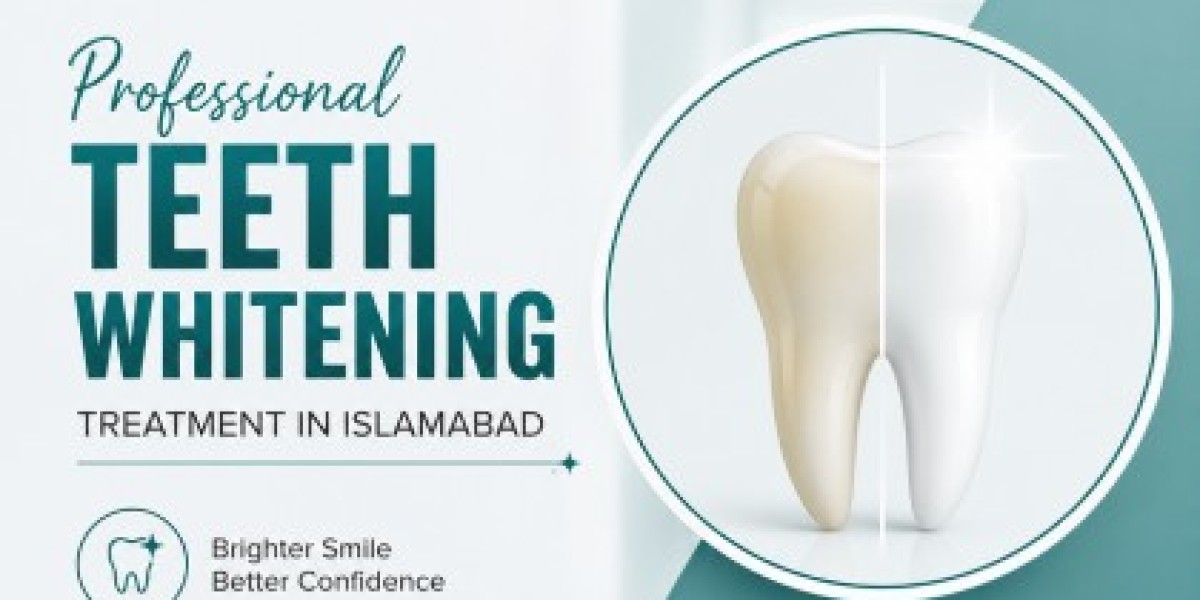

Teeth whitening is one of the most popular cosmetic dental treatments for enhancing the appearance of your smile. Many people considering whitening wonder, do teeth become weak after whitening? The good news is that professional teeth whitening does not weaken healthy teeth when performed correctly. Although some people may experience temporary tooth sensitivity, the treatment does not damage or weaken the enamel when used under the guidance of a qualified dentist.
Understanding how teeth whitening works can help you feel more confident about choosing this safe and effective cosmetic procedure.
How Does Teeth Whitening Work?
Teeth whitening uses bleaching agents, such as hydrogen peroxide or carbamide peroxide, to break down stains within the enamel and dentin. These whitening agents penetrate the outer layer of the tooth to lift discoloration caused by:
- Coffee and tea
- Red wine
- Smoking
- Certain foods
- Aging
The whitening process removes stains without altering the natural structure of healthy teeth.
Does Whitening Weaken Enamel?
One of the biggest myths about teeth whitening is that it permanently weakens enamel.
In reality, professional whitening treatments are designed to be safe for tooth enamel. Research shows that whitening products approved by dental professionals do not remove enamel or make teeth structurally weaker.
Instead, the whitening gel temporarily opens microscopic pores in the enamel to remove stains. These pores naturally close again after treatment.
Why Do Teeth Feel Sensitive After Whitening?
Some people notice increased sensitivity after whitening, leading them to believe their teeth have become weak.
Temporary sensitivity happens because the whitening gel reaches the inner part of the tooth, where nerve endings can become more responsive for a short period.
You may experience sensitivity when consuming:
- Cold drinks
- Ice cream
- Hot beverages
- Sweet foods
- Cold air
This sensitivity usually lasts from a few hours to several days before disappearing.
Does Whitening Cause Permanent Damage?
When performed according to professional recommendations, teeth whitening does not cause permanent damage.
Problems are more likely to occur when people:
- Overuse whitening strips
- Leave whitening gel on longer than instructed
- Use unapproved whitening products
- Whiten teeth too frequently
- Ignore existing dental problems before whitening
Following your dentist's advice greatly reduces these risks.
Who May Experience More Sensitivity?
Certain individuals are naturally more prone to sensitivity after whitening.
These include people with:
- Thin enamel
- Gum recession
- Exposed tooth roots
- Cracked teeth
- Worn enamel
- Untreated cavities
A dental examination before whitening helps identify these conditions and ensures treatment is safe.
Professional Whitening vs. DIY Whitening
Professional teeth whitening is generally safer than many over-the-counter products because it is tailored to your oral health.
Professional Whitening Benefits
- Stronger but carefully controlled whitening agents
- Protection for gums and soft tissues
- Customized treatment plans
- Even whitening results
- Lower risk of complications
Over-the-Counter Products
Whitening toothpaste, strips, and gels may help remove surface stains but can increase sensitivity if used incorrectly or too often.
Always follow the product instructions carefully.
Can Overusing Whitening Products Weaken Teeth?
Although whitening itself does not weaken healthy teeth, excessive use of whitening products may create problems.
Potential risks include:
- Increased tooth sensitivity
- Gum irritation
- Enamel wear from abrasive whitening toothpaste
- Uneven tooth color
This is why dentists recommend spacing out whitening treatments and avoiding unnecessary repeat applications.
How to Protect Your Teeth After Whitening
Proper aftercare helps maintain your results while keeping your teeth healthy.
Brush Gently
Use a soft-bristled toothbrush and fluoride toothpaste to protect your enamel.
Use Toothpaste for Sensitive Teeth
Desensitizing toothpaste can reduce temporary discomfort after whitening.
Avoid Staining Foods
For the first 24–48 hours after treatment, avoid:
- Coffee
- Tea
- Red wine
- Tomato sauce
- Dark berries
- Soy sauce
Your enamel is more likely to absorb stains during this period.
Stay Hydrated
Drinking water helps wash away food particles and supports good oral health.
Maintain Regular Dental Visits
Routine dental check-ups and cleanings help keep your teeth healthy and your whitening results lasting longer.
Can Whitening Make Existing Dental Problems Worse?
Whitening products should not be used on unhealthy teeth.
If you have:
- Cavities
- Gum disease
- Broken teeth
- Cracked enamel
these conditions should be treated before whitening. Applying whitening gel to damaged teeth may increase discomfort and sensitivity.
Are Some People Not Good Candidates for Whitening?
Teeth whitening may not be suitable for everyone.
Your dentist may recommend postponing treatment if you have:
- Severe tooth sensitivity
- Active gum disease
- Untreated cavities
- Pregnancy or breastfeeding
- Extensive crowns or veneers on visible teeth
A professional consultation helps determine the safest option.
How Long Does Sensitivity Last?
For most patients, sensitivity is temporary.
It usually improves within:
- A few hours after treatment
- One to three days
- Occasionally up to one week for people with naturally sensitive teeth
If sensitivity becomes severe or persists for longer than expected, contact your dentist.
Tips to Keep Teeth Strong After Whitening
You can maintain strong, healthy teeth by following these habits:
- Brush twice daily with fluoride toothpaste.
- Floss every day.
- Eat a balanced diet rich in calcium and vitamin D.
- Limit sugary snacks and acidic drinks.
- Avoid smoking and tobacco products.
- Schedule regular dental check-ups.
These practices support enamel health while preserving your brighter smile.
Conclusion
So, do teeth become weak after whitening? The answer is no. Professional teeth whitening does not weaken healthy teeth or permanently damage enamel. While temporary sensitivity is common, it usually resolves within a few days. Problems are most often linked to excessive use of whitening products or whitening teeth that already have untreated dental issues. By choosing professional treatment, following your dentist's instructions, and maintaining good oral hygiene, you can enjoy a brighter smile without compromising the strength of your teeth.