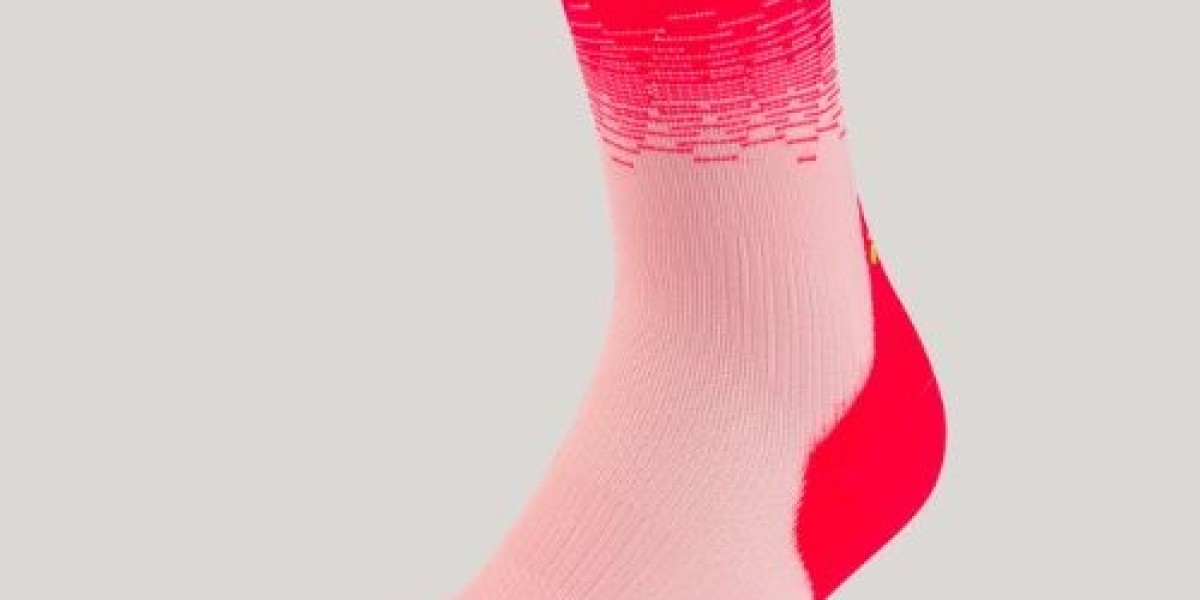

Tired legs can make a run, work shift, or long trip feel harder. Well-fitted men’s compression socks give firm support. They help blood move upward, limit fluid buildup, and keep the feet and calves stable.
CEP offers tall, mid-cut, low-cut, and no-show options. Its tall styles use graduated 20–30 mmHg compression, with the strongest pressure near the ankle.
How Men’s Compression Socks Work
Graduated compression means the sock feels firmest around the ankle and lighter higher up the leg. This squeeze supports blood flow back toward the heart and may reduce swelling.
During exercise, men’s compression socks create a secure feel around the foot and calf. Sports styles may include arch support, heel padding, ventilation, and moisture-wicking fabric.
Key benefits may include:
- Less swelling after sitting or standing
- More support around the calves and ankles
- Better moisture control during exercise
- Less rubbing with the correct size
- Added comfort during travel, work, or recovery
How to Choose Compression Socks for Men
Start with the activity. Tall men’s compression socks cover the calf and provide the widest support area. They suit running, flights, long shifts, hiking, skiing, and recovery. Mid-cut socks focus on the foot, arch, and ankle. Low-cut and no-show styles work well inside running shoes.
Choose the fabric and cushioning based on your needs:
- Pick ultralight fabric for warm runs.
- Choose extra cushioning for long sessions.
- Use merino blends in cool weather.
- Look for flat toe seams and a secure heel.
The socks should feel firm, not painful. Follow the size chart and measure your shoe size, ankle, or calf. Do not buy a smaller size for stronger pressure.
Best Uses for Men’s Compression Socks
For running, put the socks on before your legs become tired or swollen. Smooth out every fold and check that the heel and toe sit correctly. Men’s compression socks should stay flat without rolling at the top.
For travel, wear them during long periods with little movement. Get up when possible, move your ankles, and drink water. Compression supports the legs, but it does not replace movement.
For work, compression socks can help men who stand or sit for hours. Some athletes also wear them after training.
Safe Wear and Care for Compression Socks for Men
Non-medical sports or travel socks can often be worn during exercise or long periods of limited movement. Many people put them on in the morning and remove them before bed. Do not sleep in them unless a healthcare professional advises it.
Remove men’s compression socks if you feel numbness, sharp pain, coldness, skin color changes, or strong tingling. Ask a clinician before using firm compression if you have poor arterial blood flow, nerve damage, fragile skin, open wounds, or a condition affecting your legs.
Wash with mild detergent, avoid high heat, and replace loose or damaged pairs.
Why Fit Matters for Compression Socks for Men
A good fit gives steady pressure without pinching. A poor fit may roll, bunch, rub, or leave deep marks. When the socks fit correctly, the toe lies smooth, the heel stays centered, and the upper band remains flat.
Choose based on real measurements, activity, weather, and cushion level. The best pair is the one you can wear correctly and comfortably.
Frequently Asked Questions
What do compression socks do for men?
They apply controlled pressure to the lower legs. This may support blood flow, reduce fluid buildup, and ease swelling.
Is it good to wear compression socks every day?
Many people can wear non-medical compression socks during the day. Safe wear time depends on pressure, fit, purpose, and health needs.
How many hours should men wear compression socks?
They may be worn through a run, work shift, or long trip. Many users remove them before bed.
Are compression socks good for running?
They can give the foot, ankle, and calf a secure feel. Comfort depends on correct sizing, fabric, cushioning, and shoe fit.
Should compression socks feel very tight?
They should feel snug and firm, but never painful. Remove them if they cause numbness, cold feet, or color changes.
Who should not wear compression socks?
Men with circulation problems, nerve damage, open wounds, or fragile skin should ask a healthcare professional before using firm compression.
Conclusion: Choosing Men’s Compression Socks
Men’s compression socks can support running, travel, work, and recovery when the pressure, length, and size match your needs. Focus on a secure fit, breathable fabric, and suitable cushioning. Seek medical advice when a health condition is involved.