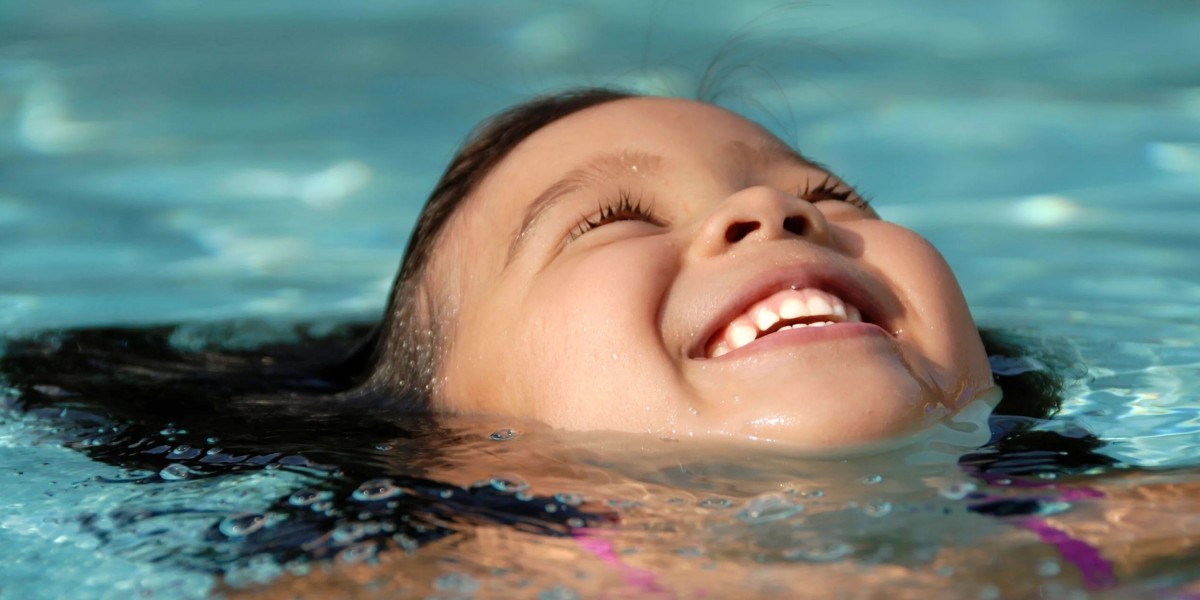

Learning to swim gives children a skill for life. Good swimming lessons for kids do more than teach kicking and arm movement. They help children feel calm in water, learn how to breathe, and practice what to do if they slip or fall into a pool.
The CDC says formal swim lessons can lower drowning risk, but lessons never replace close adult supervision. A child who can swim still needs an alert adult nearby whenever water is present.
Why Swimming Lessons for Kids Matter
Swimming lessons for kids build water comfort through small, repeated steps. A child may begin by putting their face in the water, blowing bubbles, floating with help, and holding the pool wall. Over time, those actions can become safer habits.
Lessons can also help children:
- Follow clear safety rules.
- Move toward a wall or safe exit.
- Roll onto their back to breathe.
- Stay calmer when water covers their face.
- Build balance and body control.
These skills matter because fear can make a child freeze or struggle. A trained instructor helps the child practice calmly.
What Kids Learn in Beginner Swimming Classes
Beginner swimming lessons for kids should match the child’s current ability, not only their age. Some children enjoy entering the pool but cannot float. Others can kick but become upset when water touches their eyes.
EVO Swim School’s Seal entry-level class focuses on efficient movement, rolling onto the back to breathe, water survival skills, and greater independence. The class lasts 30 minutes and uses a 4:1 student-to-instructor ratio.
A strong beginner program may teach:
- Safe pool entry and exit.
- Face wetting and bubble blowing.
- Front and back floating.
- Kicking with control.
- Short-distance swimming.
- Turning over to get air.
- Reaching and holding the wall.
Swimming lessons for kids should build one skill at a time. Rushing can increase fear and make practice harder.
How to Choose Swimming Lessons for Children
Look for classes that are safe, clear, and suited to your child. Ask how instructors place children by level and how progress is checked. Small groups often give beginners direct attention.
Before joining swimming lessons for kids, check:
- Instructor training and water safety knowledge.
- Class size and teacher-to-child ratio.
- Pool cleanliness and water temperature.
- Support for nervous children.
- Survival-skill instruction.
- Parent progress updates.
A good class should feel structured but kind. Children need clear rules, praise, and enough time to repeat skills without pressure.
How Parents Can Support Kids’ Swim Lessons
Progress continues outside the pool. During bath time, let your child practice getting their face wet gently. Count before pouring a small cup of water over the head so the child knows what is coming.
For class, bring a fitted swimsuit, towel, water bottle, and goggles if allowed. Arrive early so your child does not feel rushed.
Avoid comparing your child with other swimmers. Confidence, age, coordination, and comfort all affect progress. Regular attendance helps children remember skills between lessons.
Frequently Asked Questions
What age should a child start swimming lessons?
Many children can begin water-safety learning after their first birthday, but readiness depends on health, movement, emotional comfort, and the ability to follow simple directions. Ask your pediatrician when unsure.
How often should kids take swimming lessons?
Weekly swimming lessons for kids work well for many families because they support routine and steady practice. Some children may benefit from more frequent lessons based on their level and goals.
How long does it take a child to learn to swim?
There is no fixed timeline. Age, attendance, fear level, coordination, and practice all matter. Focus on safe progress rather than speed.
What should my child wear to swimming lessons?
Choose a fitted swimsuit that allows free movement. Bring a towel, dry clothes, water, and any gear requested by the swim school.
What if my child is afraid of water?
Start slowly. Let the instructor build trust through games, bubbles, wall holding, and supported floating. Do not force submersion before the child is ready.
Do swimming lessons make a child drown-proof?
No. Swimming lessons for kids reduce risk but cannot remove it. Children still need close adult supervision near any water.
Conclusion: Start Swimming Lessons for Kids with the Right Class
The best swimming lessons for kids combine safety, patience, small-group support, and skill-based progress. Choose a class that teaches breathing, floating, safe exits, and independent movement. With steady practice and close adult supervision, children can become more confident and capable in the water.