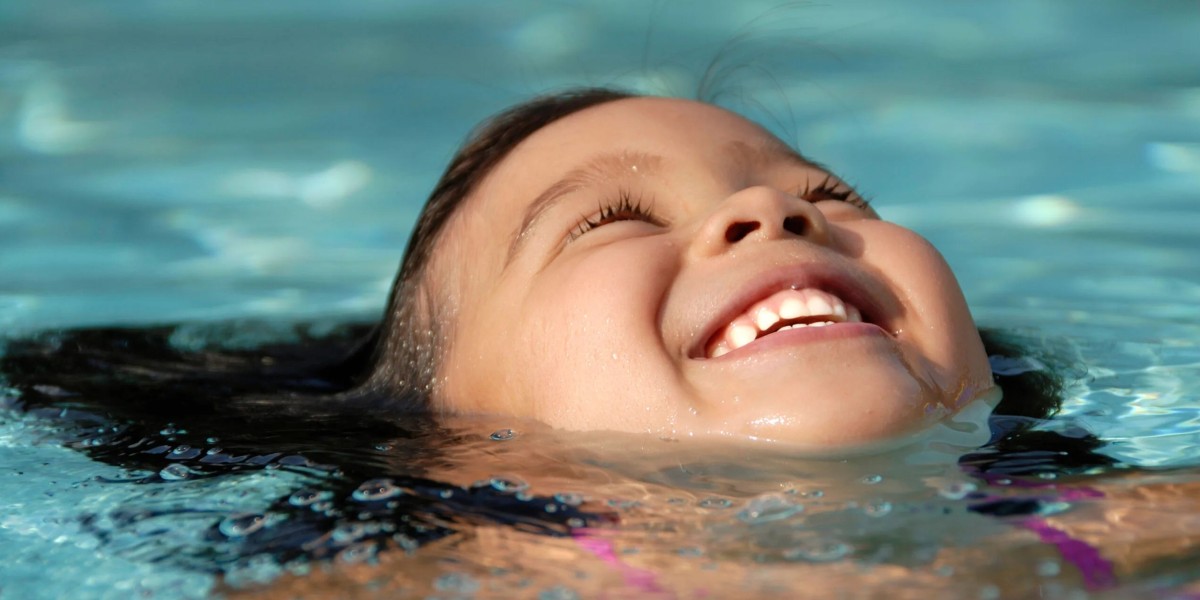

Swimming on the back can feel strange at first. A child cannot look ahead, and each arm must move in a steady rhythm. Well-planned backstroke swimming lessons make the stroke easier by teaching one skill at a time. Children learn to float, kick, move their arms, rotate, breathe, and stay straight. This clear order helps them feel safe while building a smoother stroke.
What Children Learn in Backstroke Lessons
Good backstroke swimming lessons focus on efficient movement, not only reaching the other side of the pool. Coaches teach children to keep the head still, hold the hips near the surface, and use small flutter kicks. A high body line reduces drag, while relaxed shoulders help the arms move freely. U.S. Masters Swimming lists the pull, kick, body position, rotation, and timing as the main parts of backstroke.
Children usually practise:
- Looking upward with a relaxed neck
- Kicking from the hips with loose ankles
- Recovering each arm above the water
- Pulling below the water with control
- Rotating the shoulders and hips
- Breathing in a steady rhythm
Core Skills in Backstroke Swimming Lessons
Body position often comes first. When a child lifts the head to look at the feet, the hips may sink. This creates resistance and makes kicking harder. During backstroke swimming lessons, a coach may use cues such as “ears in the water” or “belly near the top.” Swim England also advises keeping the head still, the neck relaxed, and the body close to the surface.
The kick should begin at the hips, not only at the knees. The legs stay close, the ankles remain loose, and the feet make quick movements under the surface. Arm timing is added after the swimmer can hold a steady body line.
Why Backstroke Swimming Lessons Build Confidence
Backstroke swimming lessons can feel less stressful because the face stays above the water during most of the stroke. Children can breathe without turning the head, so they can focus on balance and rhythm.
A structured class also builds stamina. EVO Swim School’s Porpoise class covers freestyle with side breathing, backstroke fundamentals, and endurance. It is listed as a 30-minute intermediate class with a 4:1 swimmer-to-coach ratio. This gives children time to practise while receiving direct feedback.
Common Mistakes Backstroke Lessons Correct
Backstroke swimming lessons help fix habits before they become difficult to change. Common problems include:
- Looking toward the feet and dropping the hips
- Kicking mainly from the knees
- Keeping the ankles stiff
- Crossing the arms over the center line
- Swimming flat without body rotation
- Holding the breath
A coach should keep the main stroke rules clear while adjusting cues to suit the swimmer’s size, strength, and movement.
Choosing the Right Backstroke Swimming Lessons
A child may be ready for intermediate backstroke swimming lessons when they can enter the water calmly, float with control, follow directions, and swim a short distance without panic. Parents should look for a clear skill path, small classes, active coaching, and regular progress checks.
Consistency also matters. Regular lessons help children repeat the same body line, kick, and arm rhythm until the movement feels natural.
Frequently Asked Questions
Is backstroke easy for beginners?
It can be beginner-friendly because the face stays above water. Swimmers still need help with balance, direction, kicking, and arm timing.
How long does it take to learn backstroke?
The time depends on age, comfort, coordination, and practice. Most children learn the basic pattern before improving speed and endurance.
How do you breathe while swimming backstroke?
The face stays above water, so the swimmer can breathe normally. A steady pattern that matches the arm rhythm helps prevent breath-holding.
Why do a child’s legs sink in backstroke?
The head may be too high, the core may be loose, or the kick may be weak. Backstroke swimming lessons use body-position drills to lift the hips.
Should backstroke kicks come from the knees or hips?
The main movement should start at the hips, with a small knee bend and relaxed ankles. Large knee-driven kicks create drag.
What age can a child start learning backstroke?
Readiness matters more than one exact age. A child should have water comfort, basic floating control, listening skills, and enough coordination to follow drills.
Conclusion: Build Skills Through Backstroke Lessons
The best backstroke swimming lessons make a complex stroke feel simple. They teach balance first, then kicking, arms, rotation, timing, and endurance. With patient coaching and steady practice, a child can move from an unsure back float to a smooth and controlled backstroke.