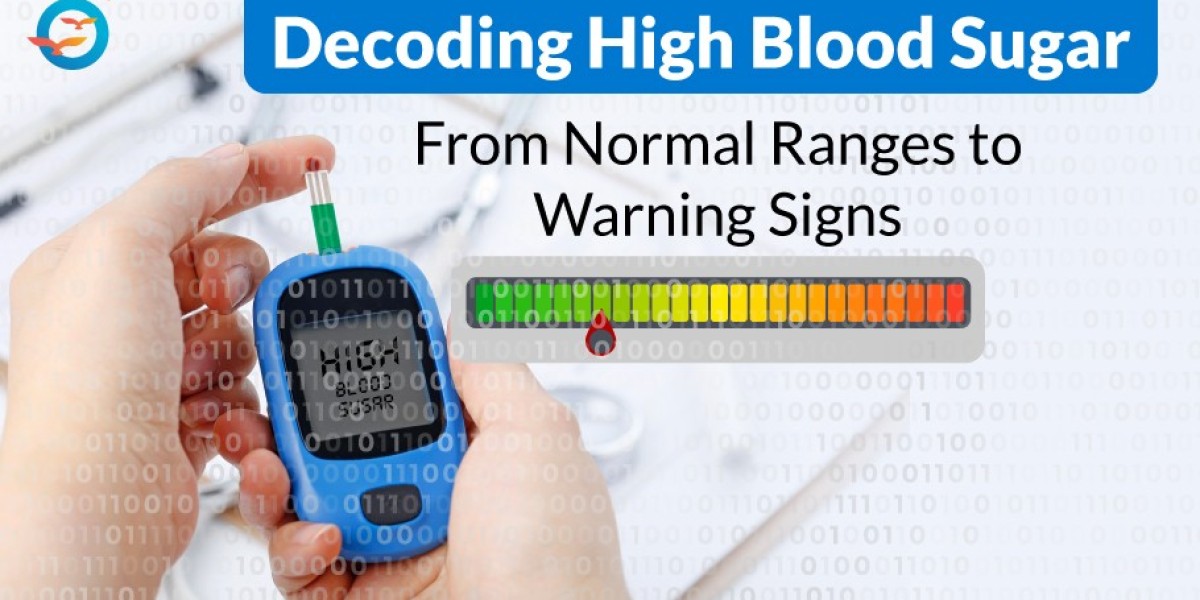

Hyperglycemia: Causes, Symptoms, Effects, and Ways to Manage High Blood Sugar
Maintaining healthy blood glucose levels is essential for the proper functioning of the body. When glucose levels in the bloodstream rise above the normal range, the condition is known as hyperglycemia.
The term hyperglycemia comes from two words: “Hyper,” meaning excessive or higher than normal, and “Glycemia,” referring to glucose present in the blood. In simple terms, hyperglycemia means having abnormally high blood sugar levels.
Although hyperglycemia is commonly associated with diabetes, it can also occur due to stress, certain medications, infections, and other health conditions. Understanding its causes, warning signs, and management strategies can help prevent serious health complications.
What Is Hyperglycemia?
Hyperglycemia occurs when there is too much glucose circulating in the bloodstream. Glucose is the body's primary source of energy, but it needs insulin to enter cells and be used effectively.
When the body does not produce enough insulin or cannot use insulin properly, glucose remains in the blood instead of moving into the cells. This results in elevated blood sugar levels.
Hyperglycemia is commonly seen in:
Type 1 diabetes, where the body produces little or no insulin
Type 2 diabetes, where the body becomes resistant to insulin
Other conditions affecting hormone balance and metabolism
If high blood sugar levels continue for a long time without proper management, they may damage blood vessels, nerves, and organs.
Understanding Blood Glucose Levels
Knowing normal blood sugar ranges helps identify when glucose levels become unhealthy.
Generally accepted blood glucose ranges include:
Normal Blood Sugar Levels
Fasting blood glucose: Around 70–99 mg/dL
Blood glucose two hours after meals: Usually below 140 mg/dL
Prediabetes Range
Fasting blood glucose between 100–125 mg/dL may indicate prediabetes.
Hyperglycemia or Diabetes Range
Fasting blood glucose of 126 mg/dL or higher
Post-meal blood glucose levels above 200 mg/dL
Consistently elevated readings should be discussed with a healthcare professional for proper evaluation and management.
What Causes Hyperglycemia?
The main cause of hyperglycemia is an imbalance between glucose levels and insulin activity.
Common causes include:
Insufficient Insulin Production
In Type 1 diabetes, the pancreas produces little or no insulin, preventing glucose from entering cells effectively.
Insulin Resistance
In Type 2 diabetes, the body produces insulin but does not respond to it properly. This causes glucose to remain in the bloodstream.
Poor Dietary Choices
Frequent consumption of foods high in refined carbohydrates, added sugars, and processed foods can contribute to blood sugar spikes.
Lack of Physical Activity
Regular movement helps the body use glucose for energy. A sedentary lifestyle can make blood sugar control more difficult.
Stress and Hormonal Changes
Physical or emotional stress can increase stress hormones like cortisol, which may raise blood glucose levels.
Certain Medications
Some medicines, including steroids, may increase blood sugar levels in certain individuals.
Illness and Infections
Acute illnesses, including viral or bacterial infections, can temporarily increase blood glucose levels due to the body's stress response.
Warning Signs and Symptoms of Hyperglycemia
Mild hyperglycemia may not always cause noticeable symptoms. However, as blood sugar levels rise, certain warning signs may appear.
Common symptoms include:
Increased thirst
Frequent urination
Blurred vision
Fatigue or low energy
Headaches
Unexplained weight loss
More severe hyperglycemia may cause:
Nausea and vomiting
Confusion
Shortness of breath
Extreme weakness
Recognizing these symptoms early can help prevent complications.
How Does Hyperglycemia Affect the Body?
Long-term uncontrolled high blood sugar can affect multiple organs and body systems.
Blood Vessel Damage
High glucose levels can damage blood vessels over time, increasing the risk of cardiovascular problems.
Nerve Damage
Persistent hyperglycemia may affect nerves, leading to symptoms such as tingling, numbness, or pain, especially in the hands and feet.
Kidney Problems
The kidneys filter waste from the blood. Excess glucose can put extra stress on the kidneys and increase the risk of kidney-related complications.
Vision Problems
High blood sugar can affect the small blood vessels in the eyes and may contribute to vision-related issues.
Heart Health Risks
Unmanaged hyperglycemia is associated with a higher risk of heart disease and other cardiovascular complications.
How to Manage Hyperglycemia Naturally
Lifestyle changes play an important role in maintaining healthy blood sugar levels.
Follow a Balanced Diet
Choose foods that support stable blood glucose levels, such as:
Vegetables
Whole grains
Legumes
Nuts and seeds
High-fiber foods
Limit foods that can quickly increase blood sugar, including:
Sugary drinks
Refined carbohydrates
Highly processed foods
Excess sweets
Stay Physically Active
Regular exercise helps improve insulin sensitivity and allows the body to use glucose more efficiently.
Activities such as walking, strength training, yoga, and other forms of movement can support better blood sugar control.
Manage Stress
Stress management techniques such as meditation, deep breathing, mindfulness, and yoga may help reduce stress-related blood sugar fluctuations.
Stay Hydrated
Drinking enough water supports normal body functions and helps prevent dehydration, which can occur when blood sugar levels are high.
Monitor Blood Sugar Regularly
Regular glucose monitoring helps identify patterns and allows timely lifestyle adjustments or medical support when needed.
Can Hyperglycemia Be Reversed?
Hyperglycemia can often be improved or effectively managed through consistent lifestyle changes, including:
Healthy eating habits
Regular physical activity
Weight management
Stress reduction
Proper medication use when prescribed
For some individuals with Type 2 diabetes, significant improvements in blood sugar levels may be possible through comprehensive lifestyle changes and medical guidance.
Final Thoughts
Hyperglycemia is a condition that occurs when blood glucose levels become higher than normal. While it is commonly linked with diabetes, factors such as stress, illness, medications, and lifestyle habits can also contribute.
Understanding blood sugar ranges, recognizing early symptoms, and adopting healthy daily habits can help manage high blood sugar levels and reduce the risk of complications.
A balanced diet, regular exercise, stress management, and consistent monitoring are key steps toward maintaining better metabolic health.
Read more about Hyperglycemia, visit our blog What Is Hyperglycemia? Causes, Symptoms, and Management.