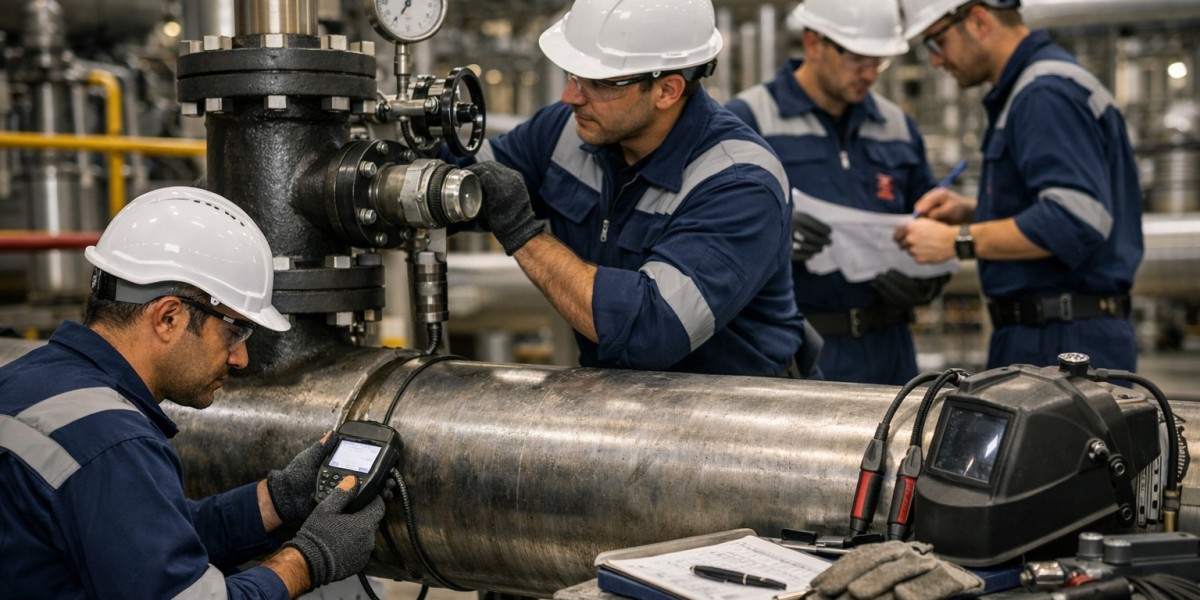

Before starting Hot tapping services in Dubai, several safety checks should be completed to protect workers, equipment, and the pipeline system. Hot tapping allows a new branch connection to be made on an active pipeline without stopping the full system. Since the work is carried out while the pipeline may contain fluid or gas under pressure, careful planning is important. A proper inspection helps identify possible risks before work begins and supports a safer working process.
Inspect the Existing Pipeline
The first step is to inspect the pipeline where the hot tap will be carried out. The pipe should be checked for its age, condition, thickness, and signs of damage. Corrosion, cracks, dents, and weak areas can create problems during drilling or welding.
The selected location should have enough sound material to support the new connection. If the pipe wall is too thin because of corrosion or wear, the planned work may need to be changed. Visual inspection and suitable testing methods can help confirm the condition of the pipe before any work starts.
Check Pipeline Pressure and Temperature
The pressure and temperature inside the pipeline must be known before hot tapping begins. These conditions can affect the type of equipment used and the way the work is planned.
The team should confirm the normal operating pressure and the highest expected pressure during the work. Pipeline temperature should also be checked because high temperatures can affect welding conditions and worker safety. The actual operating conditions should be compared with the limits of the hot tapping equipment and connection components.
Confirm the Pipe Material and Thickness
Knowing the pipe material is an important safety check. Different materials can react differently to heat, welding, and pressure. The pipe specification should be reviewed when records are available.
The wall thickness should also be measured at the proposed tapping point. This can help identify areas affected by corrosion or internal damage. Thickness testing may be carried out using suitable non-destructive testing methods. The results should be reviewed before approving the tapping location.
Check for Corrosion and Internal Damage
Corrosion can reduce the strength of a pipeline and increase the risk of failure. Before hot tapping, the pipe should be checked carefully for external corrosion and, where possible, information about internal corrosion should also be reviewed.
Previous inspection reports can provide useful details about the pipeline condition. If the pipe has a history of corrosion, additional checks may be needed. The purpose is to make sure the pipe can safely handle the welding and mechanical work involved in the hot tapping process.
Review the Fluid Inside the Pipeline
The material flowing through the pipeline must be identified before work begins. This includes checking whether the line carries water, oil, chemicals, gas, or another substance.
The properties of the fluid can affect the safety plan. Some materials may be flammable, toxic, corrosive, or harmful if released. The team should understand the possible hazards and select suitable controls. The pipeline contents should also be considered when planning welding, drilling, ventilation, and emergency procedures.
Complete a Risk Assessment
A detailed risk assessment should be prepared before the work starts. It should cover possible hazards related to pressure, heat, welding, drilling, leaks, fire, and exposure to hazardous materials.
The assessment should also consider the work area and nearby equipment. Workers should understand the identified risks and the control measures that will be used. A clear work method can help the team respond properly if conditions change during the operation.
Check the Hot Tapping Equipment
All equipment should be inspected before use. The tapping machine, valves, fittings, welding tools, and other components should be suitable for the pipeline conditions.
The equipment should be checked for damage, correct operation, and proper installation. Pressure-rated components should match the expected operating conditions. Any equipment that does not meet the required specifications should not be used.
Inspect the Welding Area
The welding location should be checked before the operation. The area should be accessible, stable, and free from unnecessary obstacles. Workers should have enough space to carry out their tasks safely.
The surrounding area should also be checked for flammable materials or other hazards. Proper fire protection and suitable personal protective equipment should be available when welding is required. The welding procedure should be suitable for the pipe material and operating conditions.
Prepare an Emergency Plan
Emergency planning is an important part of hot tapping safety. The team should know what to do if there is an unexpected leak, equipment problem, fire, or change in pipeline conditions.
Emergency contact details, communication methods, escape routes, and isolation procedures should be clear to everyone involved. The location of emergency equipment should also be known before work begins. Good preparation can help workers respond quickly if an unexpected situation occurs.
Confirm Worker Training and Site Controls
Everyone involved in the work should understand their responsibilities. Workers should have suitable training for the tasks they perform and should understand the risks connected with hot tapping.
The work area should have clear access controls to keep unnecessary people away from the operation. Required protective equipment should be available and used correctly. Communication between the work team, site management, and pipeline operators should remain clear throughout the process.
Review the Final Work Plan
Before starting the operation, all inspection results and safety checks should be reviewed together. The pipeline condition, pressure, temperature, fluid type, equipment, welding requirements, and emergency arrangements should match the approved work plan.
If any condition is different from what was expected, the work should be reviewed before continuing. Careful checks at this stage can help prevent avoidable problems during the operation. Proper preparation is an important part of safe Hot tapping services in Dubai.