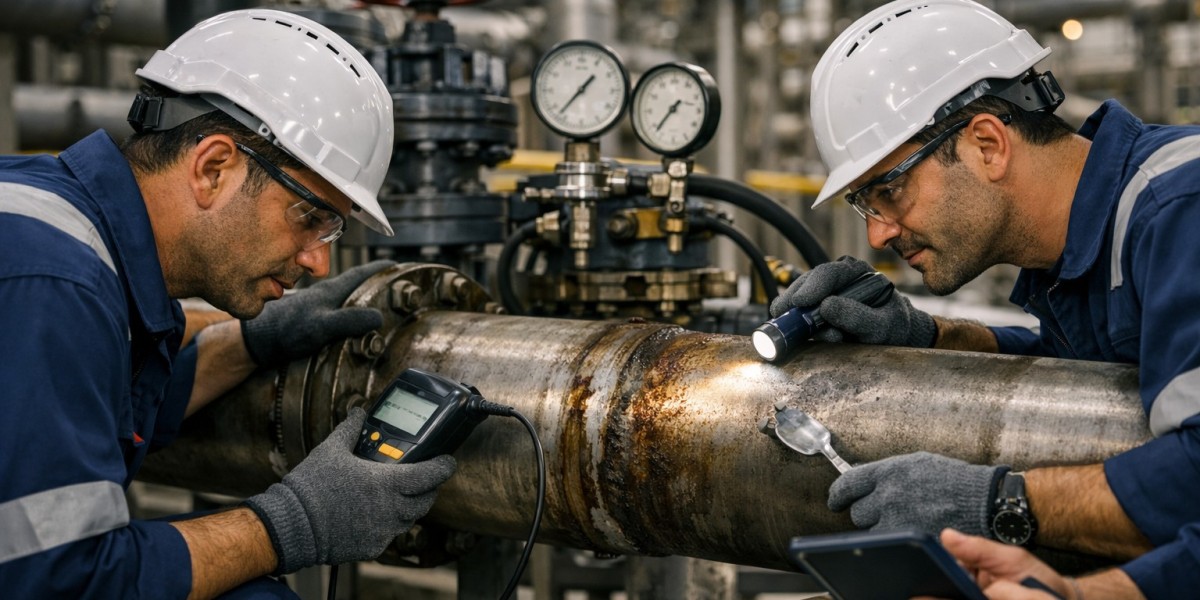

Before starting Hot tapping services in Abu Dhabi, it is important to check the condition of the pipeline carefully. Hot tapping is carried out on pipelines that are still in operation, so the pipe must be strong enough to handle the work. A proper assessment helps identify possible problems related to pipe strength, pressure, temperature, corrosion, and fluid flow. It also helps the work team understand whether the pipeline is suitable for the planned connection.
Check the Pipeline Material and Age
The first step is to identify what material the pipeline is made from. Pipes may be made from carbon steel, stainless steel, cast iron, or other materials. Each material can respond differently to welding and hot tapping work.
The age of the pipeline should also be considered. Older pipes may have hidden damage that is not easy to see from the outside. Records about the installation date, previous repairs, and maintenance history can provide useful information.
If the pipeline has been in service for many years, it is important to check whether its condition has changed over time. This information can help engineers decide what type of assessment is needed before work begins.
Inspect the Pipe for Corrosion and Damage
Corrosion is one of the main conditions that should be checked before hot tapping. Rust and corrosion can reduce the thickness of the pipe wall and affect its strength. A pipe may look acceptable from the outside but still have areas of internal corrosion.
The inspection should look for visible rust, pitting, dents, cracks, leaks, and other signs of damage. Areas around old welds, supports, joints, and previous repair locations may need extra attention.
Non-destructive testing methods can also be used to check the pipe without cutting it open. These methods may help identify wall thickness and possible defects. The results should be reviewed by qualified personnel before deciding whether hot tapping can proceed.
Measure Pipe Wall Thickness
Pipe wall thickness is an important part of the assessment. A pipe with a thin wall may not provide enough strength for the planned hot tap connection.
Ultrasonic thickness testing is commonly used to measure the remaining wall thickness at different points. Measurements can help identify areas where corrosion or wear has reduced the pipe wall.
It is useful to take readings around the proposed tapping location rather than checking only one point. The lowest measured thickness should be carefully considered when reviewing the condition of the pipe.
The inspection team should compare the measured thickness with the required minimum thickness for the pipeline and the planned work. This helps determine whether the pipe has enough remaining strength.
Review Operating Pressure and Temperature
The pressure inside the pipeline is another important factor. The team should know the normal operating pressure as well as the highest pressure that may occur during operation.
Temperature also needs to be checked. Some fluids and pipeline systems operate at high temperatures, which can affect the materials and equipment used during the work.
The operating conditions should be compared with the limits of the tapping equipment, fittings, valves, and other components. This information helps the work team plan the operation more carefully and select suitable equipment.
Understand the Fluid Inside the Pipeline
The type of fluid flowing through the pipeline should be clearly identified before work begins. Different fluids create different safety and technical requirements.
The team should understand whether the pipeline contains water, oil, gas, chemicals, or another substance. The properties of the fluid, including temperature, pressure, and flammability, may affect the work plan.
The pipeline should also be checked for any substances that could create a dangerous reaction during welding or cutting. Proper information about the fluid allows the team to select suitable procedures and safety controls.
Check Flow Conditions Inside the Pipe
Flow conditions can affect the hot tapping process. The team should understand how fast the fluid is moving and whether the flow is stable.
Very high flow rates may affect heat transfer during welding. In some situations, the movement of fluid can cool the pipe wall faster than expected. This may influence the welding process and needs to be considered during planning.
The location of the hot tap should also be reviewed in relation to pumps, valves, bends, and other pipeline components. A clear understanding of the flow path can help the team choose a suitable tapping point.
Review Previous Repairs and Modifications
Pipeline history can provide important information about its current condition. Previous repairs, reinforcement plates, welded connections, or modifications near the proposed tapping location should be identified.
Old repairs may have changed the strength or structure of the pipe. They may also affect where new welding work can safely be performed.
Available drawings, inspection reports, maintenance records, and previous repair documents should be reviewed. If records are not available, additional inspection may be required to understand the actual condition of the pipeline.
Assess the Proposed Tapping Location
The exact tapping location should be inspected before any work starts. The area should have enough space for the fitting, valve, tapping machine, and supporting equipment.
The condition of the pipe at the selected point should be checked for corrosion, damage, wall thickness, and previous welding. The surrounding area should also be reviewed to make sure workers can access the equipment safely.
The location should be selected based on both pipeline condition and practical work requirements. A suitable tapping point can make the operation easier to control and reduce possible problems during the work.
Review Inspection Results Before Work
All inspection results should be collected and reviewed before the hot tapping operation begins. This includes information about pipe material, wall thickness, corrosion, pressure, temperature, fluid type, flow conditions, and previous repairs.
The assessment should be based on actual pipeline conditions rather than assumptions. If any part of the inspection shows an uncertain or unsafe condition, the issue should be investigated before proceeding.
A careful pipeline assessment gives the work team a clearer understanding of the system and helps identify conditions that may affect the operation. Following a structured inspection process is an important part of planning Hot tapping services in Abu Dhabi safely and effectively.