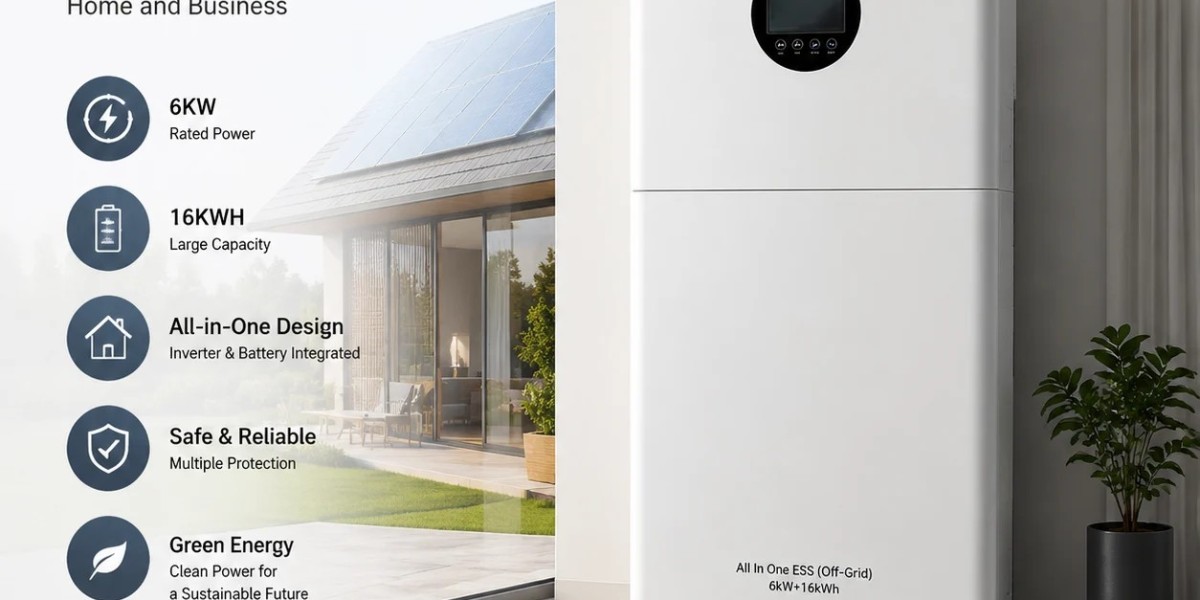

Electrical Efficiency of the 48V LiFePO4 Battery
Selecting optimal system operating voltages represents a foundational step when designing residential solar power architecture. Compared to low-voltage 12V or 24V alternatives, operating at a nominal 48V configuration significantly reduces active current flow for equivalent power demands. Lower current minimizes thermal resistance losses across interconnecting copper conductors, ensuring energy generated by rooftop solar panels reaches storage reserves with maximum efficiency. Experienced installers prefer this optimal voltage tier for balanced power output and safety.
Cost Savings on Cabling with a 48V LiFePO4 Battery
Reduced electrical current levels directly affect system balance-of-plant hardware specifications and total installation budgets. Lower current draw allows installers to utilize lighter copper wiring gauges without risking excessive voltage drops or overheating hazards. Thinner cabling runs reduce component costs and simplify installation routing through domestic conduit runs. Optimizing material requirements makes advanced 48V energy projects more accessible and cost-effective for budget-conscious homeowners.
Inverter Compatibility of the 48V LiFePO4 Battery
Modern high-efficiency conversion equipment is built specifically around standard 48V battery chemistry operating windows. Matching market-standard system voltages ensures seamless communication between energy storage management electronics and power inversion hardware. Unified communications optimize battery charging protocols, prevent cell over-discharge, and maximize energy conversion rates. Broad hardware compatibility gives homeowners access to versatile inverter brands and hassle-free system maintenance options.
Enhanced Safety Metrics of a 48V LiFePO4 Battery
Maintaining high safety standards remains critical when operating continuous power storage hardware inside living environments. Operating below 60V direct current thresholds classifies these systems within Extra-Low Voltage parameters, mitigating high-voltage shock hazards for maintenance technicians and residents. Combined with non-combustible iron phosphate chemistry, these battery units deliver exceptional physical and electrical safety, preventing thermal runaways and electrical short-circuits during daily operational use.
Scalability Advantages Provided by a 48V LiFePO4 Battery
Household power requirements often grow as families add modern amenities, domestic cooling units, or electric vehicles. Parallel connections allow multi-module 48V battery systems to scale total energy storage capacity while maintaining safe, low system voltage levels. Expanding system storage requires simply connecting matching modules into the existing master bus bar. Simple system modularity ensures domestic clean energy investments seamlessly grow alongside evolving household electrical usage needs.