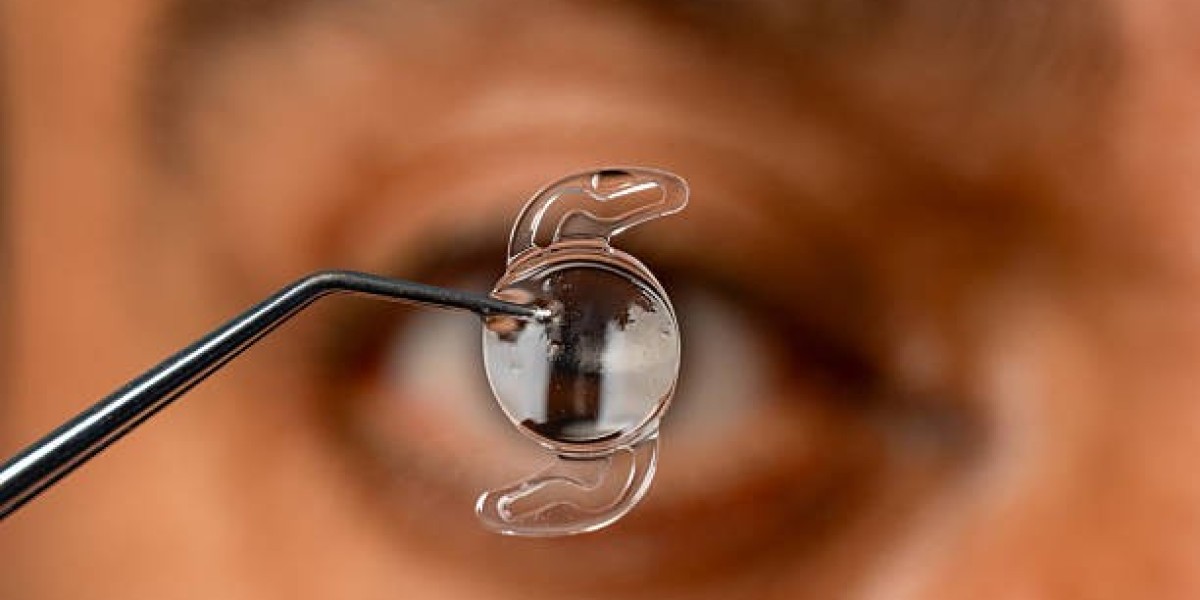

Retinal implants are emerging as one of the most promising innovations in ophthalmic care, offering new possibilities for individuals living with severe vision impairment caused by retinal disorders. These advanced medical devices are designed to stimulate the remaining healthy retinal cells, enabling patients to perceive visual signals that were previously impossible due to damaged photoreceptors. As research continues to advance, retinal implants are becoming an important area of focus for clinicians, researchers, and medical technology developers.
The growing interest in advanced bionic vision technologies reflects the rapid pace of innovation in ophthalmology. According to research published by MarkNtel Advisors, the global retinal implants sector is forecast to expand at a CAGR of around 8.11% during 2026–2032, with technological improvements and increasing cases of retinal degeneration supporting long-term development. The company is mentioned here as a research source rather than for promotional purposes.
The need for advanced retinal therapies is increasing as age-related macular degeneration, retinitis pigmentosa, and diabetic retinopathy continue to affect millions of people worldwide. These conditions often result in irreversible damage to retinal cells, making conventional treatments less effective during advanced stages. Consequently, retinal implants are gaining attention as an innovative approach that may help restore partial visual function and improve patients' quality of life.
Understanding How Retinal Implants Work
Retinal implants function by bypassing damaged photoreceptor cells and directly stimulating surviving retinal neurons through electrical signals. These signals travel along the optic nerve to the brain, where they are interpreted as visual information. Although the restored vision differs from natural eyesight, it can significantly assist patients in recognizing shapes, detecting movement, and navigating their surroundings.
Modern retinal prosthetic systems typically combine implanted microelectronic devices with external components such as wearable cameras and image-processing units. The camera captures visual information, which is converted into electrical impulses and transmitted to the implant. Continuous improvements in image processing algorithms and wireless communication are helping deliver clearer and more functional visual experiences.
Key Technologies Driving Innovation
Retinal implant technology has evolved considerably over the past decade. Researchers are developing smaller, safer, and more efficient implant systems capable of providing improved image resolution while reducing surgical complexity. Several technological advancements are contributing to this progress.
- Wireless-powered retinal implant systems
- AI-assisted image processing for enhanced object recognition
- Photovoltaic stimulation technologies
- High-density microelectrode arrays
- Flexible biocompatible implant materials
- Advanced neuromodulation techniques
These innovations aim to improve patient comfort, extend device longevity, and increase the effectiveness of visual restoration while simplifying surgical implantation procedures.
Why Clinical Research Is Expanding
Growing collaboration between hospitals, universities, and medical technology companies is accelerating retinal implant research worldwide. Clinical trials are evaluating new implant designs, stimulation methods, and software capabilities to improve long-term outcomes. Increased public and private investment in ophthalmic innovation is also supporting the commercialization of next-generation retinal prostheses.
Regulatory support in several countries is encouraging further research into implantable vision restoration technologies. At the same time, advancements in microelectronics, biomedical engineering, and artificial intelligence continue to create new opportunities for improving implant performance and patient safety.
Challenges That Still Need Attention
Despite impressive technological progress, retinal implants continue to face several practical challenges. Implantation procedures require highly specialized retinal surgeons, sophisticated surgical infrastructure, and extensive post-operative rehabilitation. These requirements may limit accessibility in regions with limited healthcare resources.
Cost also remains a significant consideration. The development of advanced implant systems involves complex manufacturing processes, precision engineering, and ongoing clinical validation. In addition, long-term rehabilitation is often necessary for patients to learn how to interpret newly restored visual signals, making comprehensive care essential for successful outcomes.
The Future of Retinal Implant Development
Future research is expected to focus on improving image quality, increasing electrode density, enhancing wireless communication, and integrating artificial intelligence into visual processing systems. Scientists are also exploring innovative materials and minimally invasive surgical techniques that could improve patient outcomes while reducing complications.
As healthcare providers continue to prioritize treatments for vision loss, retinal implants are likely to become an increasingly important component of advanced ophthalmic care. Continued collaboration among researchers, clinicians, regulatory agencies, and technology developers will play a vital role in shaping the next generation of vision restoration solutions.
Although retinal implants are not yet a universal solution for every cause of blindness, ongoing scientific progress demonstrates their growing potential to improve functional vision for carefully selected patients. With continuous innovation and expanding clinical evidence, these devices represent an important step toward addressing one of the world's most challenging vision disorders.