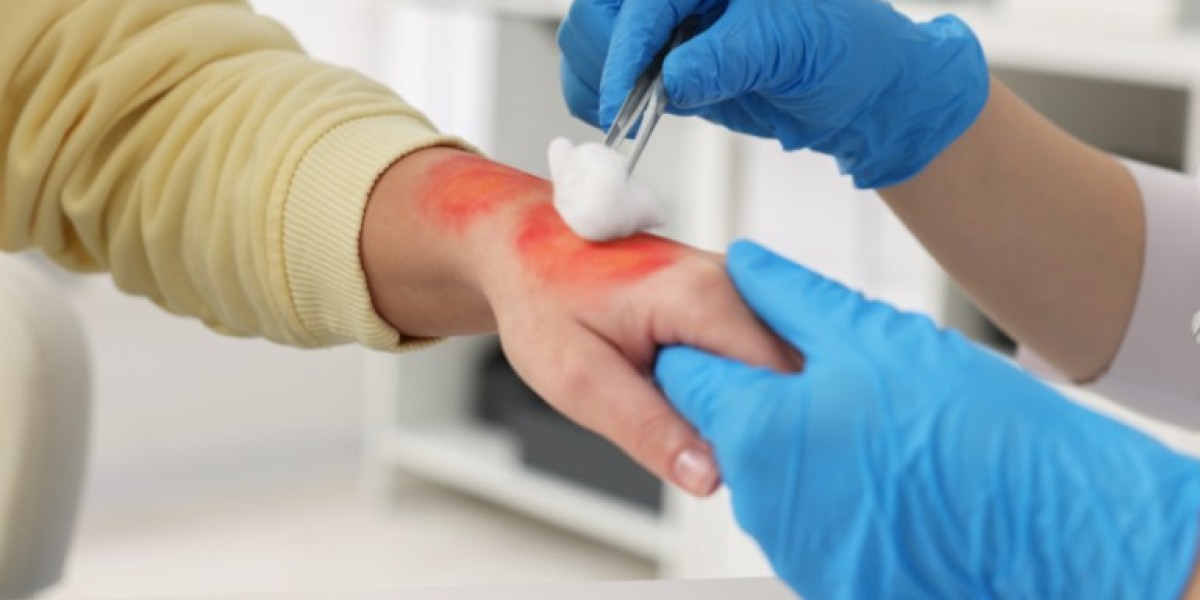

Burn injuries can happen at home, at work, or during outdoor activities. While some burns are minor and heal with basic care, others require immediate emergency attention to prevent serious complications. Understanding burn treatment and knowing when to seek emergency care can help reduce pain, protect the skin, and improve recovery. At ER of Fort Worth, patients receive prompt evaluation and advanced care for burns of all severity levels.
Burn Treatment: A Complete Guide to Emergency Burn Care
Burns are among the most common injuries treated in emergency rooms. They can result from heat, chemicals, electricity, radiation, or hot liquids. Depending on their depth and size, burns may affect only the outer skin or damage muscles, nerves, and bones.
Immediate medical attention is essential for severe burns because delayed treatment increases the risk of infection, dehydration, and permanent tissue damage.
AI Overview
What is a burn?
A burn is damage to the skin or deeper tissues caused by:
- Fire
- Hot liquids
- Steam
- Chemicals
- Electricity
- Radiation
- Hot metal or objects
When should you visit the emergency room?
Seek emergency care if the burn:
- Covers a large area
- Appears white, black, or charred
- Is caused by chemicals or electricity
- Affects the face, hands, feet, joints, or genitals
- Causes severe pain
- Shows signs of infection
- Makes breathing difficult
Understanding Burn Injuries
Your skin protects your body from bacteria, temperature changes, and injury. When skin is burned, this protective barrier becomes damaged.
Serious burns can affect:
- Skin
- Fat tissue
- Muscles
- Blood vessels
- Nerves
- Bones
The deeper the burn, the longer the recovery process.
Common Causes of Burns
Burn injuries happen in many everyday situations.
Thermal Burns
These are caused by:
- Flames
- Fireplaces
- Campfires
- Hot cooking oil
- Steam
- Boiling water
Thermal burns are the most common type seen in emergency rooms.
Chemical Burns
These occur after contact with:
- Cleaning products
- Industrial chemicals
- Acids
- Bleach
- Drain cleaners
Chemical burns continue damaging the skin until the substance is completely removed.
Electrical Burns
Electrical injuries may appear small on the outside but cause extensive internal damage.
Common causes include:
- Faulty wiring
- Power lines
- Electrical equipment
- Household outlets
These burns should always be evaluated in an emergency room.
Radiation Burns
Radiation burns may result from:
- Excessive sun exposure
- Radiation therapy
- Industrial radiation accidents
Degrees of Burns
Burns are classified according to how deeply they damage the skin.
First-Degree Burns
These affect only the outer skin layer.
Symptoms include:
- Redness
- Mild swelling
- Pain
- Dry skin
Examples include mild sunburns.
Recovery usually occurs within one week.
Second-Degree Burns
These burns extend deeper into the skin.
Symptoms include:
- Blisters
- Severe pain
- Swelling
- Wet or shiny appearance
Healing may take several weeks.
Third-Degree Burns
Third-degree burns destroy all skin layers.
Signs include:
- White skin
- Brown skin
- Black or charred tissue
- Little or no pain because nerves are damaged
These burns require immediate emergency treatment.
First Aid for Burns
Taking the right first steps can reduce tissue damage.
For Minor Burns
- Cool the burn under running water for about 20 minutes.
- Remove rings or tight jewelry before swelling begins.
- Cover with a clean, non-stick dressing.
- Keep the burned area clean.
- Stay hydrated.
Avoid These Mistakes
Do not:
- Apply butter
- Use toothpaste
- Place ice directly on burns
- Pop blisters
- Remove clothing stuck to the burn
- Apply home remedies without medical advice
These actions may worsen the injury.
Signs That a Burn Is Serious
Visit ER of Fort Worth immediately if you notice:
- Large blisters
- Deep wounds
- Blackened skin
- White patches
- Difficulty breathing
- Severe swelling
- Burn from chemicals
- Burn from electricity
- Facial burns
- Burns covering large areas
- Persistent severe pain
How Emergency Burn Care Works
Emergency physicians begin treatment by assessing:
- Burn depth
- Burn size
- Pain level
- Airway condition
- Blood circulation
- Risk of infection
Treatment is customized for each patient.
Treatments Used for Burn Injuries
Emergency care may include:
Wound Cleaning
Removing dirt and dead tissue lowers infection risk.
Pain Management
Doctors provide medications to control pain and improve comfort.
IV Fluids
Large burns cause rapid fluid loss.
Intravenous fluids help prevent dehydration and shock.
Specialized Dressings
Modern burn dressings:
- Protect the wound
- Reduce infection
- Keep skin moist
- Promote healing
Antibiotics
If infection develops, antibiotics may be recommended.
Tetanus Protection
Patients with certain burns may need a tetanus booster.
Advanced Burn Care
Severe burns may require:
- Surgical treatment
- Skin grafts
- Intensive monitoring
- Long-term rehabilitation
Burns That Need Immediate Emergency Care
Never delay treatment for burns involving:
- Face
- Eyes
- Neck
- Hands
- Feet
- Major joints
- Genitals
These injuries can affect movement, breathing, and long-term function.
Children and Burn Injuries
Children have thinner skin than adults.
Even burns that appear small may become serious quickly.
Parents should seek emergency evaluation when children have:
- Large blisters
- Burns from hot liquids
- Electrical burns
- Chemical burns
- Trouble breathing
- Persistent crying from severe pain
Burn Prevention Tips
Many burns can be prevented with simple safety habits.
At Home
- Keep hot drinks away from children.
- Turn pot handles inward while cooking.
- Install smoke alarms.
- Test bath water before use.
- Store chemicals safely.
At Work
- Wear protective equipment.
- Follow safety procedures.
- Handle chemicals carefully.
- Inspect electrical equipment regularly.
Outdoors
- Stay away from open flames.
- Use fireworks responsibly.
- Wear sunscreen.
- Keep children away from grills.
Recovery After a Burn
Healing depends on:
- Burn depth
- Burn size
- Overall health
- Age
- Infection prevention
Recovery may include:
- Dressing changes
- Pain control
- Physical therapy
- Scar management
- Follow-up appointments
Following your healthcare provider's instructions helps improve healing and reduce complications.
Why Prompt Treatment Matters
Burns can become more serious if left untreated.
Quick emergency care can:
- Reduce infection risk
- Minimize skin damage
- Control pain
- Prevent dehydration
- Improve healing
- Lower the chance of permanent scarring
Early treatment gives patients the best opportunity for recovery.
Why Choose ER of Fort Worth?
ER of Fort Worth provides emergency care for burn injuries with experienced medical professionals and advanced diagnostic capabilities. Patients receive rapid evaluation, timely treatment, effective pain management, and personalized care plans designed to support healing and reduce complications. Whether the injury is caused by heat, chemicals, or electricity, the team is prepared to provide immediate emergency care when every minute matters.
Conclusion
Burn injuries range from minor skin irritation to life-threatening emergencies. Knowing the type of burn, providing proper first aid, and recognizing when emergency treatment is needed can make a significant difference in recovery. If a burn is deep, extensive, caused by chemicals or electricity, or affects sensitive areas of the body, immediate medical attention is essential. ER of Fort Worth is committed to delivering fast, compassionate, and comprehensive emergency care to help patients recover safely and effectively.
For more information visit:https://eroffortworthtx.com/services/burns-treatment/