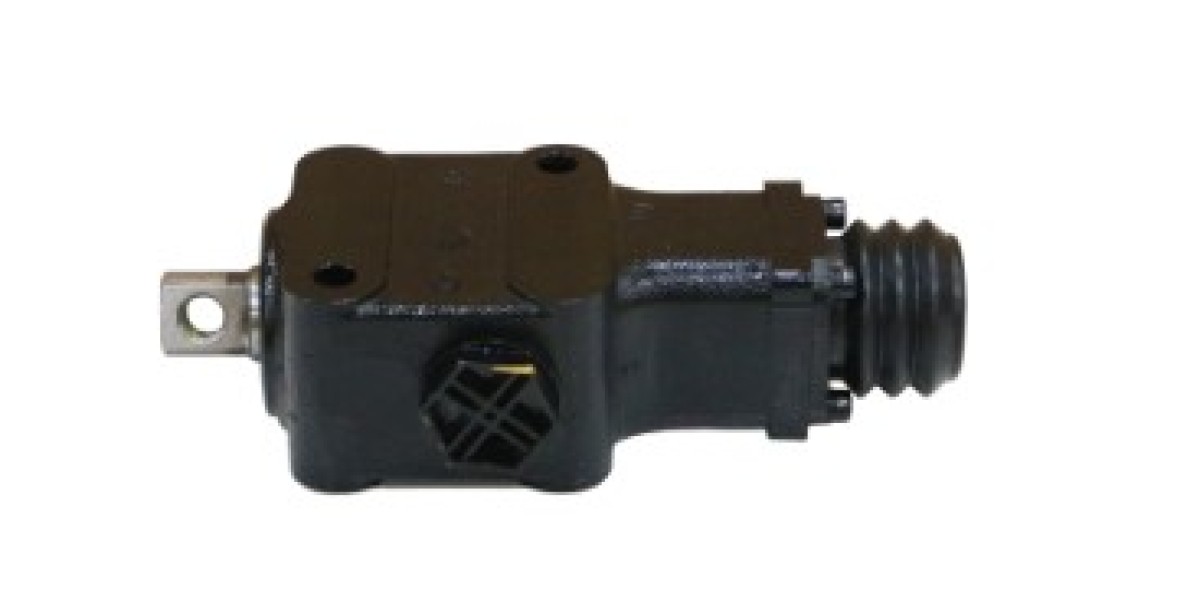

Fundamental Principles of Pressure Regulation in Hydraulics
Pressure regulation is the cornerstone of safe, efficient hydraulic fluid power design. A hydraulic valve regulates pressure by dynamically controlling fluid restriction and diverting excess oil back to the main reservoir when threshold limits are reached. Without effective pressure control, hydraulic pumps would experience severe overloading, causing blown hoses, failed internal seals, or total mechanical failure. By responding in milliseconds to pressure spikes caused by high load resistance, control valves maintain precise operational forces across hydraulic cylinders and fluid motors, keeping machinery working smoothly within safe design parameters.
Mechanics of Direct-Acting vs Pilot-Operated Relief Valves
To understand pressure regulation, one must examine the internal mechanics of direct-acting and pilot-operated relief valves. Direct-acting valves utilize a calibrated internal spring to hold a poppet or ball against a valve seat. When system fluid pressure overcomes this set spring tension, the poppet unseats, allowing oil to bypass back to the tank. Pilot-operated relief valves use a two-stage mechanism designed for higher flow rates and higher operating pressures. They provide flatter pressure-flow curves, responding smoothly without noisy spring chatter, ensuring precise pressure limits during high-demand heavy machinery operation.
Maintaining Operational Thermal Equilibrium and Efficiency
Effective pressure regulation directly influences system thermal equilibrium and energy efficiency. When hydraulic fluid passes through an incorrectly calibrated or low-quality relief valve, excessive pressure drops occur, transforming mechanical energy directly into wasted heat energy. Overheated oil loses viscosity rapidly, leading to accelerated wear on precision valve spools and internal pump pistons. High-precision hydraulic control valves minimize unnecessary fluid restriction during standby modes while providing instantaneous pressure venting under load spikes, keeping oil temperatures inside optimal operating limits.
Integrating Proportional Control for Smooth Hydraulic Response
Modern heavy machinery relies on proportional hydraulic pressure regulation valves to achieve ultra-smooth movement during complex maneuvers. Unlike traditional simple on/off valves, electro-proportional valves adjust relief thresholds dynamically based on electronic input signals from automated control units or operator joysticks. This enables controlled pressure ramping, preventing violent mechanical shocks when starting or stopping heavy loads. Smooth pressure regulation protects mechanical linkages, prevents cylinder rod bending, and allows operators to move heavy loads with millimeter-level positioning precision.
Precision Valve Engineering and Quality Assurance by Huachun Hydraulic
Regulating hydraulic system pressure effectively requires precision internal valving, dynamic spring responsiveness, and robust heat management. Premium pressure control valves protect vital machinery components while optimizing energy efficiency under severe workloads. Supported by precision machining technology, stringent testing procedures, and robust manufacturing standards, trusted suppliers like Huachun Hydraulic produce high-performance hydraulic control valves that deliver rock-solid pressure control for heavy machinery applications worldwide.