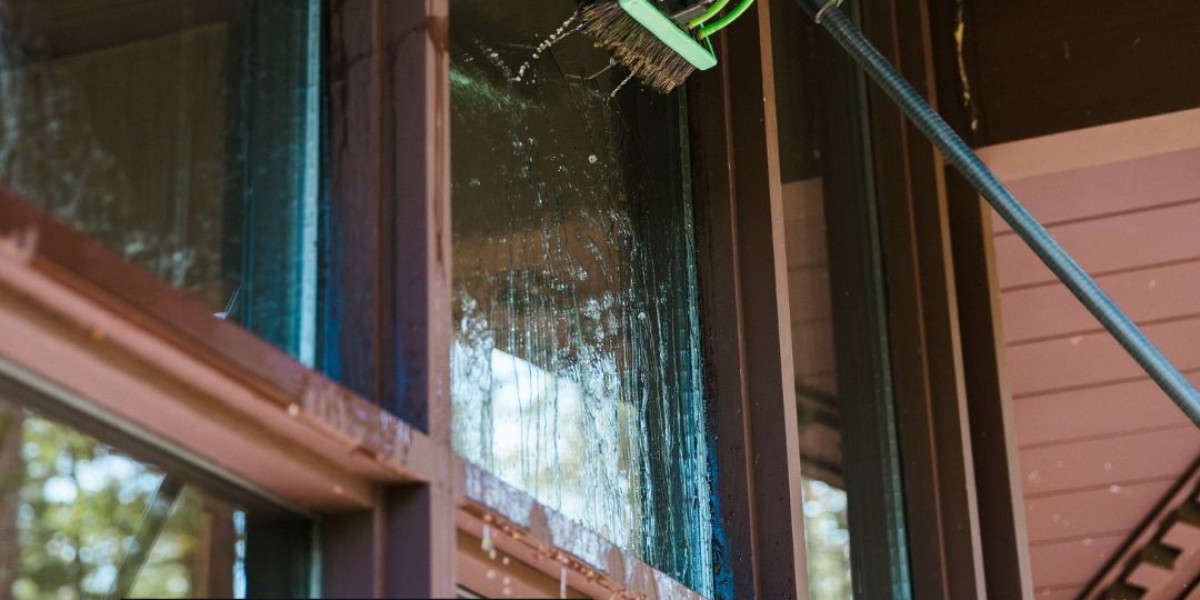

What Are the Biggest Mistakes in DIY vs Professional Window Cleaning?
The biggest mistakes in DIY vs professional window cleaning usually come from using the wrong tools, cleaning in poor conditions, ignoring safety risks, or assuming every service quote includes the same work. DIY can be fine for easy, low windows, but high glass, hard-water spots, screens, tracks, and stubborn buildup often need a more careful professional approach.
Window cleaning looks simple until streaks return, spots will not lift, or a ladder becomes part of the job. The real mistake is not choosing DIY or hiring a pro. The mistake is choosing the wrong method for the window, the buildup, and the access risk.
Good window care starts with knowing when a basic clean is enough and when professional support protects your time, safety, and glass.
Why This Comparison Matters
Many homeowners start with a spray cleaner and paper towels, expecting quick results. Sometimes that works. Other times, the glass looks worse in direct sunlight, or cloudy spots remain even after repeated wiping.
That is where DIY vs professional window cleaning becomes a practical decision. It is not about proving one option is always better. It is about understanding which mistakes create streaks, damage, wasted time, or unnecessary safety risks.
Mistake 1: Using Too Much Cleaning Product
More spray does not always mean cleaner glass. Too much product can leave residue, attract dust, and create streaks when the liquid dries unevenly.
Recent cleaning guidance notes that overusing the product, skipping dusting, and using lint-prone paper towels are common causes of streaky glass. Clean microfiber cloths or a squeegee often produce better results.
Better DIY Window Cleaning Tips
Dust the frame and sill before spraying
Use a small amount of cleaner
Wipe with a clean microfiber cloth
Dry edges before the liquid settles
Avoid cleaning in harsh direct sunlight
These simple habits help prevent the “I just cleaned this, but it still looks dirty” problem.
Mistake 2: Scrubbing Glass With the Wrong Tools
A stubborn mark can tempt people to use rough pads, sharp blades, or harsh chemicals. That can be risky, especially on coated, tinted, or specialty glass.
Marvin’s window-care guidance recommends loosening dirt with clean water first, using an approved solution with a non-abrasive cloth, and avoiding direct-sun cleaning on tinted or coated surfaces.
If you do not know what type of glass or coating you have, aggressive DIY methods can create permanent damage while trying to remove a temporary spot.
Mistake 3: Treating Hard-Water Spots Like Normal Dirt
Hard-water marks, sprinkler residue, and mineral buildup are different from dust or fingerprints. They often need careful treatment instead of repeated wiping.
This is one area where DIY vs professional window cleaning matters. DIY may remove light residue, but older mineral spots can require more experience, better tools, and realistic expectations.
A professional can usually tell whether the mark is surface buildup, staining, or something that may not fully restore with a standard clean.
Mistake 4: Ignoring Screens, Tracks, and Sills
A window can have clean glass but still look unfinished if the screen is dusty, the track is packed with debris, or the sill has pollen and insects.
Many DIY cleaners focus only on the pane. Professionals often look at the full window area, depending on the service scope. This is especially important for homes with pets, trees, pollen, smoke residue, or windows that have not been cleaned for a long time.
Mistake 5: Using a Ladder When the Job Is Not Safe
The most serious mistake is turning window cleaning into a ladder risk. Second-story glass, uneven ground, sloped landscaping, and awkward reach points can make a simple job dangerous.
OSHA states that ladders should be used on stable and level surfaces unless secured or stabilized to prevent accidental displacement.
If cleaning requires leaning, overreaching, stepping onto a roof edge, or moving a ladder repeatedly around uneven ground, professional cleaning is usually the safer choice.
DIY vs Professional Window Cleaning: Quick Comparison
Situation | Better DIY Choice | Better Professional Choice |
Low, easy-reach windows | Yes, if the buildup is light | Not always necessary |
Light fingerprints or dust | Basic cleaning can work | Optional |
Hard-water spots | Try gentle approved methods only | Better for stubborn buildup |
Dirty screens and tracks | Possible but time-consuming | Better for full-service cleaning |
Second-story windows | Risky for many homeowners | Usually safer |
Large home or many panes | Takes more time | More efficient |
Specialty or coated glass | Requires caution | Better if unsure |
Mistake 6: Hiring a Professional Without Checking the Scope
Professional cleaning is not automatically the right choice if the quote is unclear. One provider may include exterior glass only. Another may include interior glass, screens, tracks, sills, skylights, or hard-water treatment.
Before booking, ask what is included. This prevents the common mistake of comparing two prices that cover completely different work.
Questions to Ask First
Does the quote include interior and exterior glass?
Are screens, tracks, sills, and frames included?
Is hard-water treatment included or separate?
How will high windows be accessed safely?
What happens if a window has stubborn staining?
Clear answers protect your budget and help you understand the real value of the service.
When DIY Makes Sense
DIY is reasonable when windows are low, safe to reach, lightly dirty, and not affected by mineral spots or heavy buildup. With the right tools and a gentle method, many homeowners can maintain easy-access windows between professional visits.
The best DIY window cleaning tips are simple: use clean tools, avoid abrasive materials, work in mild conditions, and stop when the task becomes unsafe.
When Professional Cleaning Is the Smarter Move
Professional cleaning makes more sense when the property has high windows, large glass areas, stubborn spots, dirty screens, difficult access, or a need for a polished finish before guests, customers, or property photos.
The value is not only cleaner glass. It is safer access, better efficiency, and a clearer process for handling the entire window area.
Final Thoughts
The biggest mistake in DIY vs professional window cleaning is assuming the choice is only about saving money. The better question is whether the glass can be cleaned safely, correctly, and completely with the tools and access you have.
DIY can work well for simple maintenance. Professional cleaning is the better option when safety, stubborn buildup, high glass, or full-window detailing matters. Choosing the right method protects both the appearance of your windows and the condition of your property.
About the Author
The author is an exterior property-care professional with practical experience in window cleaning, glass care, gutter maintenance, solar panel cleaning, and seasonal home upkeep. Their work helps homeowners and businesses make safer, more informed maintenance decisions based on real property conditions rather than guesswork.
Frequently Asked Questions
Is DIY window cleaning worth it?
DIY window cleaning is worth it for low, easy-to-reach windows with light dust or fingerprints. For high windows, heavy buildup, or hard-water spots, professional help is usually safer and more effective.
Why do my windows look streaky after I clean them?
Streaks often happen because of too much cleaner, dirty cloths, paper towels, or cleaning in direct sunlight. Microfiber cloths and proper drying usually give better results.
What are the biggest DIY window cleaning mistakes?
Common mistakes include using harsh cleaners, abrasive pads, paper towels, too much spray, or cleaning hot glass in direct sun. These can leave streaks or risk surface damage.
When should I choose professional window cleaning instead of DIY?
Choose professional cleaning when windows are high, difficult to reach, heavily spotted, or need screens, tracks, and sills cleaned too. Safety and complete results matter more than saving time.
Can using the wrong tools damage window glass?
Yes. Abrasive materials, harsh cleaners, and unsuitable tools can scratch or damage glass, especially coated or reflective surfaces. Mild solutions and non-abrasive tools are recommended.
Is ladder use risky for DIY window cleaning?
Yes. Ladder work becomes risky on uneven ground, near roof edges, or when you need to overreach. OSHA advises that ladders be used on stable, level surfaces unless secured.
Are paper towels good for cleaning windows?
Paper towels are not ideal because they can leave lint and visible fibers on glass. Microfiber cloths or a squeegee usually create a cleaner finish.
What should I ask before hiring a window cleaner?
Ask whether the quote includes interior glass, exterior glass, screens, tracks, sills, high windows, and hard-water treatment. This helps you compare real service value, not just price.