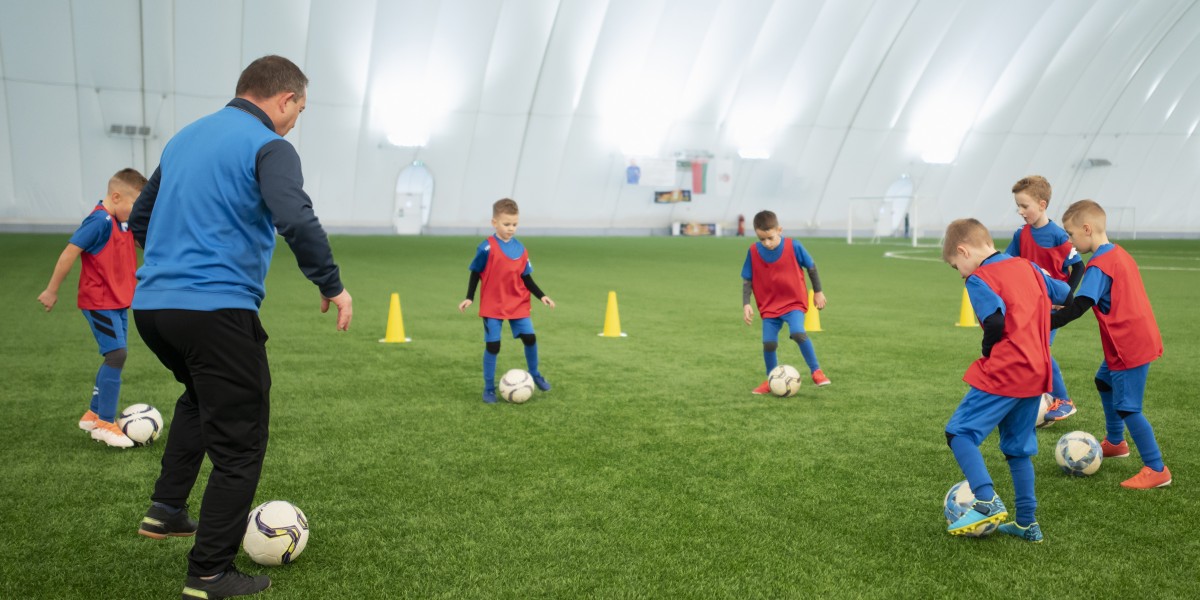

Indoor soccer facilities offer a unique solution by creating a controlled environment where athletes can concentrate on improving their abilities. With fewer distractions and more opportunities for consistent practice, players can maximize their development and make the most of every training session.
Why Focus Matters in Soccer Development
Learning any sport requires concentration. Players must process information, understand coaching instructions, and apply new techniques during training and competition.
When athletes are distracted by weather, field conditions, noise, or interruptions, it becomes more difficult to absorb information and retain skills. A focused training environment helps players stay engaged and allows coaches to deliver more effective instruction.
The ability to concentrate during practice often leads to faster improvement and greater confidence on the field.
Consistent Training Conditions
One of the biggest advantages of indoor soccer is the consistency it provides. Outdoor practices can be affected by rain, excessive heat, strong winds, or poor field conditions. These factors may reduce training quality or force sessions to be shortened or canceled.
Indoor facilities eliminate many of these challenges by providing:
- Climate-controlled environments
- Reliable playing surfaces
- Consistent lighting
- Year-round availability
- Fewer weather-related interruptions
Because players can train under the same conditions regularly, they are able to focus entirely on learning and improving.
More Attention on Skill Development
A distraction-free environment allows coaches to spend more time teaching and less time managing external challenges. Players can focus on the details that make a significant difference in their performance.
Training sessions often emphasize:
- Ball control
- Passing accuracy
- Dribbling techniques
- Shooting mechanics
- Defensive positioning
- Movement off the ball
When athletes can fully concentrate on these areas, they often experience faster progress and stronger overall development.
Increased Player Engagement
Indoor soccer naturally keeps players involved throughout every session. Smaller playing areas and fast-paced activities mean athletes are constantly participating rather than waiting for the action to come to them.
This increased involvement helps players remain mentally engaged while improving important skills through repetition and experience.
Benefits of greater engagement include:
- Improved focus
- Better decision-making
- Faster skill acquisition
- Increased confidence
- Greater enjoyment of training
The more engaged players are, the more they learn from each session.
Reducing Outside Distractions
Outdoor environments often present distractions that can take players' attention away from training. Traffic noise, spectators, weather changes, and surrounding activities can all affect concentration.
Indoor facilities create a more controlled atmosphere where athletes can focus on:
- Coach instructions
- Technical development
- Team communication
- Tactical understanding
- Personal improvement goals
This focused setting allows players to dedicate their full attention to becoming better soccer players.
Better Opportunities for Repetition
Repetition is one of the most important components of skill development. The more often players perform a skill correctly, the more natural it becomes during games.
Indoor training environments provide numerous opportunities for repetition because players spend more time interacting with the ball and less time dealing with interruptions.
Many families choose indoor soccer training programs because they offer structured sessions where athletes can consistently practice key techniques in a focused and productive environment.
Over time, this repetition helps build confidence and improve overall performance.
Supporting Mental Development
A distraction-free environment benefits not only physical skills but also mental growth. Soccer requires players to think quickly, make decisions under pressure, and stay composed during challenging situations.
Indoor training helps athletes develop:
- Concentration
- Discipline
- Patience
- Confidence
- Problem-solving abilities
- Mental resilience
These qualities support long-term success both in soccer and in everyday life.
Improving Communication and Teamwork
Without external distractions competing for attention, players can communicate more effectively with teammates and coaches. Indoor environments often make it easier for athletes to hear instructions and engage in team discussions.
This improved communication helps players:
- Understand tactics more clearly
- Coordinate with teammates
- Develop leadership skills
- Build stronger relationships
- Improve overall team performance
Learning to communicate effectively is an essential part of becoming a successful soccer player.
Encouraging Long-Term Development
Player development is a gradual process that requires consistency and commitment. Indoor soccer environments support long-term growth by providing reliable opportunities for athletes to train, learn, and improve throughout the year.
When players can focus on development without frequent interruptions, they are more likely to remain motivated and continue progressing toward their goals.
The structured nature of indoor training also helps establish positive habits that contribute to future success.
Creating a Positive Learning Experience
Children learn best when they feel comfortable, supported, and engaged. Indoor soccer facilities provide an environment where players can focus on improvement while enjoying the training process.
Coaches can deliver clear instruction, athletes can participate fully, and families can feel confident that players are receiving quality development opportunities.
This combination of structure, consistency, and engagement creates a positive learning experience that encourages continued participation in the sport.
Conclusion
Creating a distraction-free environment is one of the most effective ways to support soccer skill development. Indoor facilities provide consistent training conditions, increased player engagement, and focused learning opportunities that help athletes maximize their potential.
By reducing external interruptions and emphasizing skill development, indoor soccer programs allow players to build confidence, improve technical abilities, and develop a deeper understanding of the game. For young athletes seeking meaningful growth and consistent progress, indoor training environments offer an ideal setting for success.